Vegan Dessert Health Checker
Just because it's vegan doesn't mean it's healthy. Select your dessert's primary ingredients to see how they stack up against traditional options regarding calories, saturated fat, and sugar.
Select Your Dessert Profile
Nutritional Verdict
You bite into a rich, creamy chocolate mousse, expecting the usual dairy-heavy satisfaction. It tastes incredible. But then you read the label or ask the baker what holds it together. Maybe it’s loaded with refined coconut oil, heavy on agave syrup, or packed with processed starches to mimic the texture of butter and eggs. This is the hidden reality many people overlook when they switch to vegan desserts. While the ethical and environmental benefits are clear, the nutritional profile isn't always a win. Just because something is plant-based doesn’t mean it’s healthy.
If you’re living in Melbourne, you know the city is flooded with incredible plant-based options. From high-end patisseries in Fitzroy to casual cafes in Brunswick, the choices are endless. But here’s the problem: many consumers assume "vegan" equals "light" or "clean." That’s a dangerous misconception. In fact, some vegan sweets can be more calorie-dense and higher in saturated fats than their traditional counterparts. Let’s break down the actual negatives so you can make smarter choices without giving up your sweet tooth.
The Sugar Trap: Natural Doesn’t Mean Low-Calorie
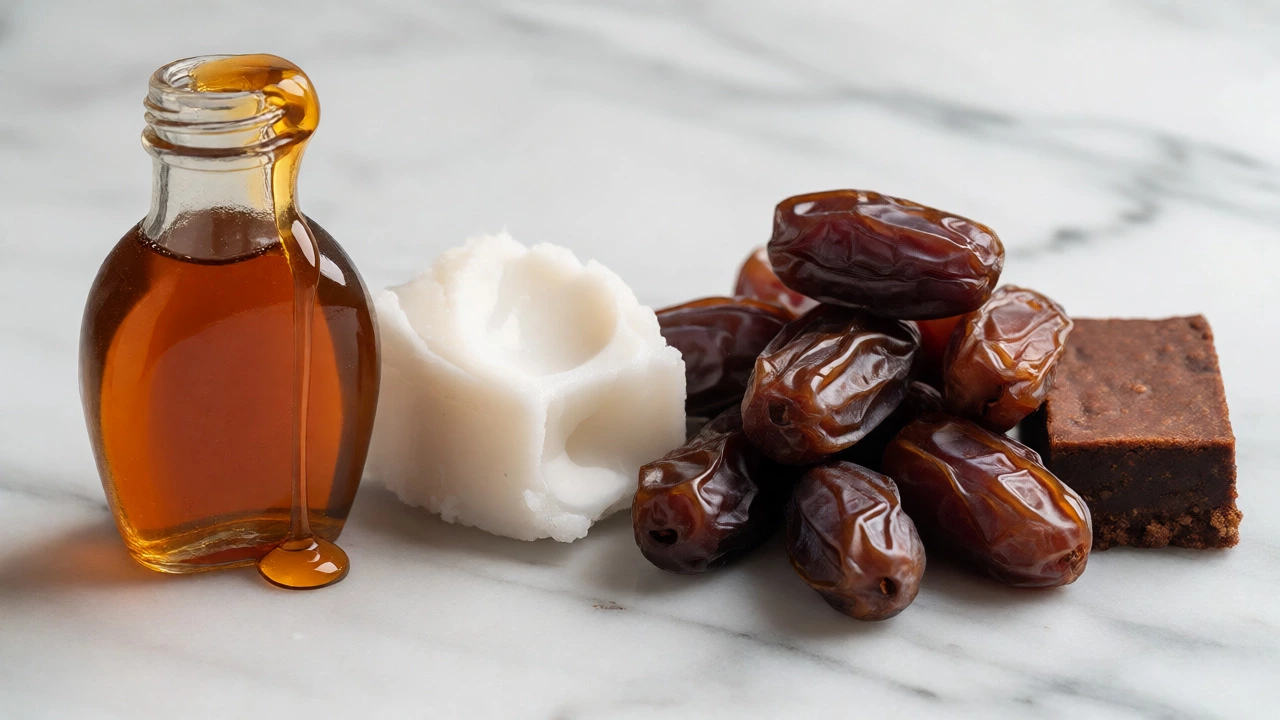
One of the biggest issues with modern vegan baking is the reliance on alternative sweeteners. When you remove honey (which bees produce) and standard white sugar (often filtered with bone char), bakers reach for alternatives like agave nectar, maple syrup, or date paste. These sound wholesome, right? Wrong.
Agave nectar is roughly 1.5 times sweeter than table sugar but has a much higher fructose content-up to 90%. High fructose intake is linked to increased visceral fat and insulin resistance. If you’re eating a slice of vegan cake made with agave, you might be consuming more sugar spikes than you would with a traditional sponge. Maple syrup isn’t much better; while it contains trace minerals, those amounts are negligible in the quantities used in baking. You’re still essentially eating liquid sugar.
Date paste is another culprit. Dates are delicious, but they are calorie bombs. A single Medjool date has about 66 calories. To make a fudge-like consistency, bakers often blend multiple dates per serving. Before you know it, that "healthy" energy ball has as many calories as a candy bar. The takeaway? Don’t let the word "natural" fool you. Your body processes these sugars similarly to refined ones.
Fat Substitutes: The Coconut Oil Conundrum
Baking without butter is tricky. Butter provides structure, flavor, and mouthfeel. To replicate this, many vegan recipes rely heavily on coconut oil. Here’s the catch: coconut oil is extremely high in saturated fat-about 82%, compared to 63% in butter. For years, we were told saturated fat was the enemy of heart health. While science is evolving, most cardiologists still recommend moderation.
A vegan brownie made with solid coconut oil can have a similar saturated fat profile to one made with dairy butter. If you’re watching your cholesterol or trying to reduce overall fat intake, swapping butter for coconut oil isn’t necessarily an upgrade. Some bakers use vegetable oils like canola or sunflower, which are lower in saturated fat but highly processed. Others use nut butters, which add calories and potential allergens. There is no perfect fat substitute, only trade-offs.
Nutrient Absorption and Bioavailability
Plants contain anti-nutrients like phytates and oxalates. These compounds bind to minerals such as calcium, iron, and zinc, making them harder for your body to absorb. This matters in desserts if you’re relying on them for specific nutrients. For example, almond flour is popular in gluten-free vegan cakes. Almonds are high in oxalates, which can inhibit calcium absorption. If you’re already low on calcium-a common concern for vegans-relying on almond-based sweets won’t help you meet your daily needs.
Furthermore, many vegan desserts lack protein. Traditional cheesecake uses cream cheese and eggs, providing significant protein. A vegan version might use cashews or tofu, but the protein density is often lower unless specifically fortified. Cashews are high in carbs and fats relative to their protein content. So, while you get fiber from the nuts, you miss out on the satiating power of complete proteins found in dairy and eggs.
Additives and Processing Levels
To achieve the fluffy texture of a meringue or the stretchiness of mozzarella in a dessert, manufacturers often turn to additives. Aquafaba (chickpea water) is a great natural egg replacer, but commercial vegan products frequently use gums like xanthan gum, guar gum, or carrageenan. Carrageenan, derived from red seaweed, has been linked to digestive inflammation in sensitive individuals.
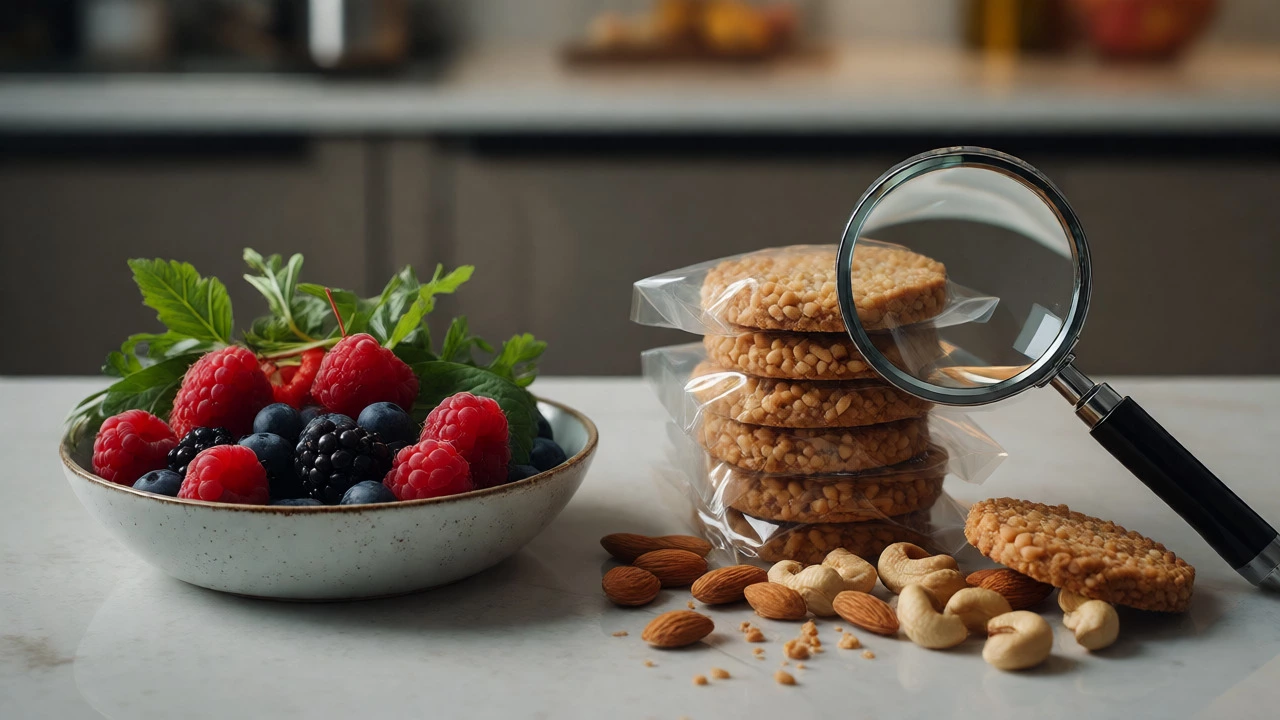
Check the ingredient list on store-bought vegan ice creams or mousses. You’ll often find long lists of stabilizers, emulsifiers, and artificial flavors. These ingredients keep the product shelf-stable and texturally consistent, but they move the product away from "whole food" status. A homemade banana split with real fruit is vastly different from a tub of vegan ice cream containing twenty unpronounceable ingredients. Ultra-processed vegan foods can contribute to gut health issues just as much as non-vegan processed foods.
Allergens and Cross-Reactivity
Many people go vegan to avoid dairy allergies, but they inadvertently increase their exposure to other common allergens. Nuts, soy, and gluten are staples in vegan baking. If you have a sensitivity to almonds or soy, finding safe treats becomes difficult. Soy lecithin is ubiquitous in vegan chocolates as an emulsifier. For those avoiding soy due to hormonal concerns or allergies, this is a major pitfall.
Additionally, cross-contamination is a real risk in shared kitchens. A "vegan" cookie baked in a facility that handles wheat and milk may not be safe for someone with celiac disease or a severe dairy allergy. Always check for certified labels if you have strict dietary restrictions.
Comparing Vegan vs. Traditional Dessert Profiles
To visualize the trade-offs, look at this comparison based on typical homemade recipes. Note that values vary widely depending on the specific recipe and brand.
| Nutrient | Vegan Version (Coconut Oil & Agave) | Traditional Version (Butter & Sugar) | Notes |
|---|---|---|---|
| Calories | ~450 kcal | ~420 kcal | Vegan often higher due to dense fats/sugars. |
| Saturated Fat | ~18g | ~15g | Coconut oil raises saturated fat levels. |
| Total Sugars | ~35g (Agave/Maple) | ~30g (White Sugar) | Alternative sweeteners are often more calorie-dense by volume. |
| Protein | ~4g | ~5g | Dairy/eggs provide slightly more bioavailable protein. |
| Fiber | ~2g | ~1g | Vegan wins here, especially with nut flours. |
How to Mitigate the Negatives
So, should you stop eating vegan desserts? Absolutely not. They are delicious and kinder to animals. But you need to bake and buy strategically.
- Read Labels: Look for short ingredient lists. Avoid products with carrageenan or excessive gums.
- Watch the Sweetener: Opt for desserts sweetened with stevia, monk fruit, or erythritol if you’re managing blood sugar. Or, accept that agave/maple is just sugar and portion accordingly.
- Balance the Fats: If using coconut oil, pair it with lighter fruits like berries rather than heavy chocolate ganache. Consider using avocado in chocolate mousses-it’s healthier in monounsaturated fats.
- Boost Protein: Add hemp seeds or pea protein powder to your batter. This helps balance the glycemic impact and keeps you fuller longer.
- Moderation is Key: Treat vegan desserts as occasional indulgences, not health foods. The halo effect makes us eat more of them.
Frequently Asked Questions
Are vegan desserts healthier than regular desserts?
Not necessarily. While they exclude animal products, vegan desserts can be high in sugar, refined carbohydrates, and saturated fats (from coconut oil). Health depends entirely on the specific ingredients used, not just the absence of meat or dairy.
Why do vegan cakes taste dry?
Egg yolks act as emulsifiers that hold moisture. Without them, cakes can dry out quickly. Bakers often compensate by adding more oil or sugar, which increases calorie density. Using applesauce, mashed bananas, or yogurt alternatives can help retain moisture without adding excessive fat.
Is coconut oil bad for heart health?
Coconut oil is high in saturated fat, which can raise LDL (bad) cholesterol in some people. However, it also raises HDL (good) cholesterol. Most health organizations recommend limiting saturated fat intake regardless of source. Use it sparingly in desserts.
Can I get enough calcium from vegan desserts?
Rarely. Most vegan desserts are not good sources of calcium unless fortified. Ingredients like almonds have oxalates that block calcium absorption. It’s better to get calcium from leafy greens, fortified plant milks, or supplements rather than relying on sweets.
What is aquafaba and is it safe?
Aquafaba is the viscous liquid from cooked chickpeas. It whips up like egg whites and is used in vegan meringues and macarons. It is generally safe and adds minimal calories, though some people may experience mild bloating due to oligosaccharides in chickpeas.