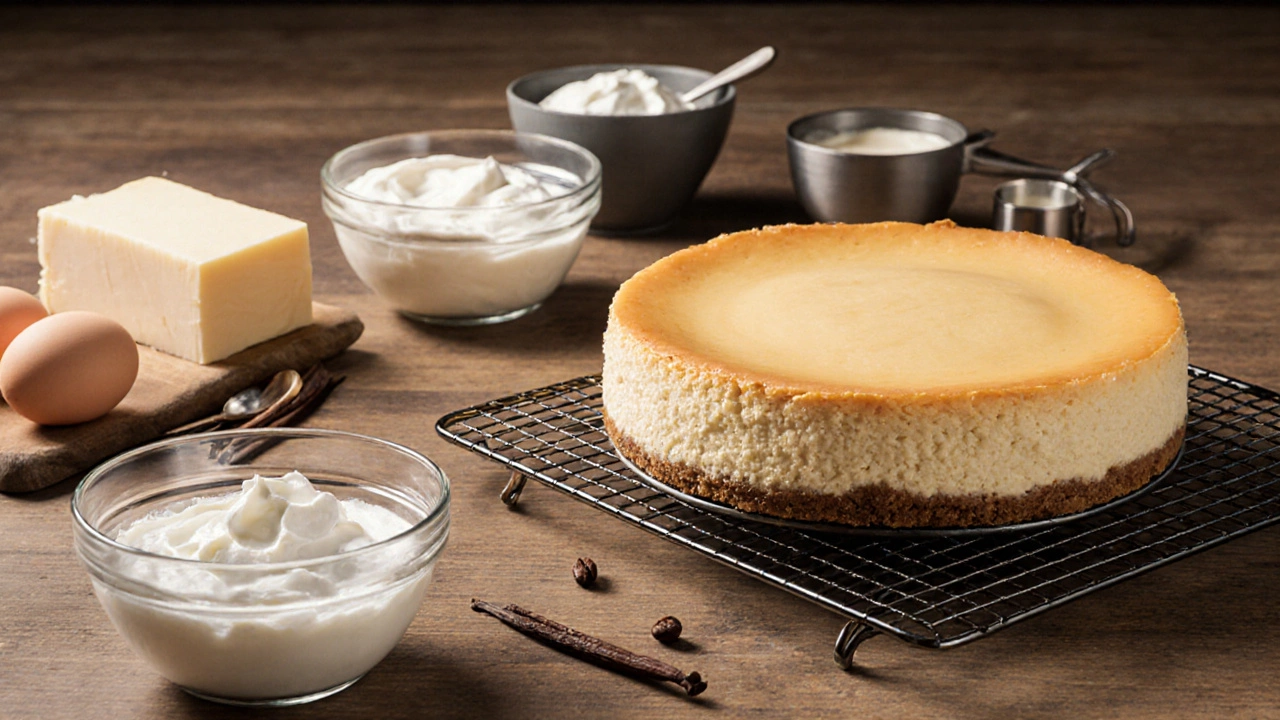
Heavy Whipping Cream vs Sour Cream for Cheesecake: Which Is Better?
Discover whether heavy whipping cream or sour cream gives a cheesecake the best texture, flavor, and stability, with a detailed comparison, tips, and FAQs.
Read MoreWhen working with Cream Choice, the act of deciding which type of cream best fits a particular recipe. Also known as cream selection, it can make or break the final texture of cakes, pies, and fillings.
Heavy Cream, a high‑fat dairy product that adds richness and stability is the go‑to for sauces and ganaches, while Whipping Cream, a lighter‑fat option that can be aerated into peaks works best when you need volume and a soft mouthfeel. Choosing between them influences how a Cheesecake, a creamy, baked or no‑bake dessert sets, folds, or freezes.
Think about the end goal of your bake. If you want a glossy, firm frosting that holds its shape in warm weather, the higher fat content of heavy cream provides the necessary structure. On the other hand, a light, airy mousse benefits from the lower fat and higher water content of whipping cream, which traps air more easily. This simple Cream Choice decision often determines whether a dessert stays silky or turns grainy.
Temperature plays a big role, too. Heavy cream tolerates a gentle boil without curdling, making it ideal for caramel sauces or reduction sauces that need to thicken without breaking. Whipping cream, however, should be heated slowly and never brought to a full boil if you plan to whip it later; excess heat can damage its ability to form stable peaks. Knowing these temperature thresholds helps you avoid costly mistakes when your batter hits the oven.
Beyond dairy, many bakers explore non‑dairy alternatives like coconut cream or oat‑based whipping agents. These options mimic the mouthfeel of traditional creams but bring distinct flavors and varying fat levels. While coconut cream can act like heavy cream in sauces, it adds a tropical note that may clash with a classic vanilla cheesecake. Oat‑based creams often perform well in whipped applications, yet they may need a stabilizer such as gelatin or agar to hold peaks.
Stabilizers themselves are another piece of the puzzle. Adding a pinch of powdered sugar to whipping cream not only sweetens it but also reinforces the foam structure. For heavy cream in cheesecakes, a dash of cornstarch can prevent cracking during cooling. These small tweaks are part of the broader cream choice strategy that lets you fine‑tune texture, flavor, and shelf‑life.
When you master the basics—fat content, temperature limits, and optional stabilizers—you’ll find that most dessert problems melt away. You’ll be able to pick the right cream for a velvety mousse, a sturdy ganache, or a light, fluffy topping without second‑guessing yourself.
Below you’ll discover a curated set of articles that dive deeper into heavy versus whipping cream, the science behind fudge texture, cheesecake types, and more. These guides will give you the details you need to make confident, tasty cream choices for any sweet creation.
Discover whether heavy whipping cream or sour cream gives a cheesecake the best texture, flavor, and stability, with a detailed comparison, tips, and FAQs.
Read More