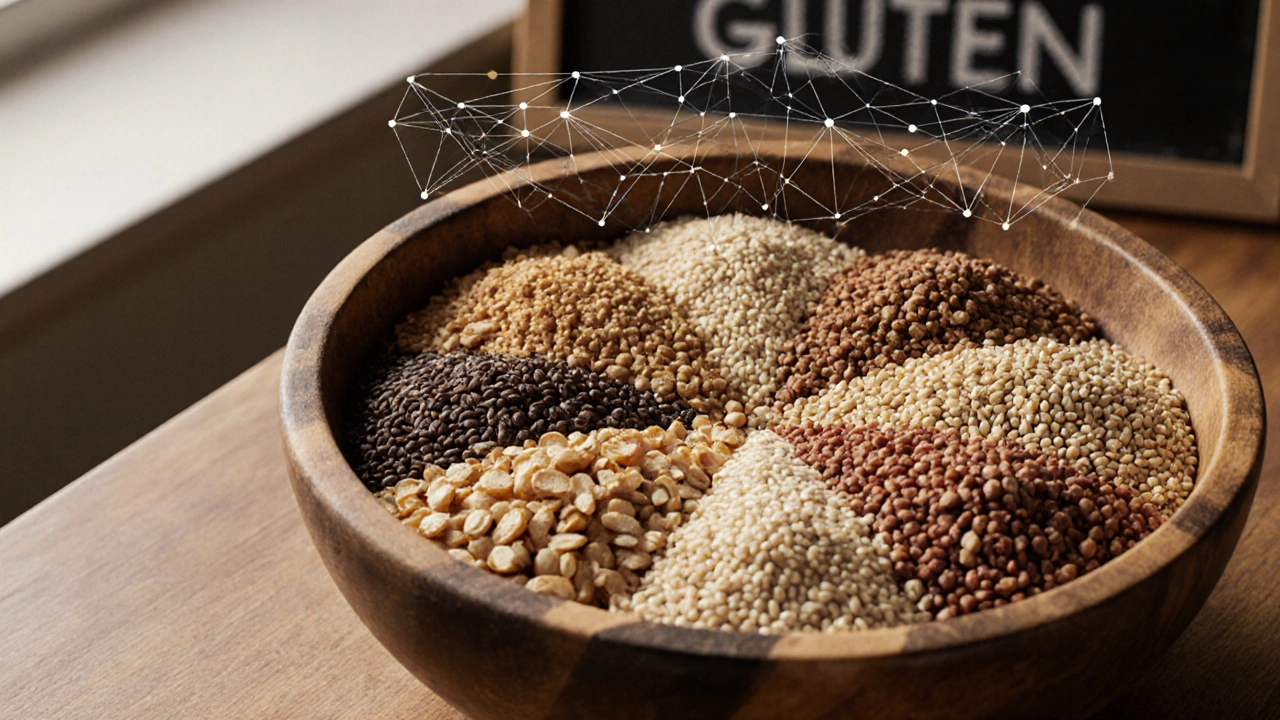
High-Gluten Foods: What to Avoid When Baking Gluten‑Free
Learn which foods are truly high in gluten, see a handy gluten‑content table, and get practical tips to keep hidden gluten out of your gluten‑free cakes.
Read MoreWhen you hear gluten content, a protein found in wheat, barley, and rye that gives dough its stretch and structure. Also known as wheat protein, it’s the reason your bread rises and your cakes hold together—but it’s also a problem for millions with celiac disease, an autoimmune disorder where gluten triggers damage to the small intestine or gluten sensitivity. If you’re baking for someone who can’t tolerate gluten, or if you’re trying it yourself, knowing where gluten hides isn’t just helpful—it’s essential.
Gluten isn’t only in bread or pasta. It’s in many unexpected places: soy sauce, some candies, even certain spices and sauces. That’s why checking labels matters. For example, tahini, a paste made from ground sesame seeds. Also known as sesame paste, it’s naturally gluten-free, but if it’s processed in a facility that handles wheat, cross-contamination can happen. The same goes for peanut butter, a simple spread made from ground peanuts. Also known as peanut paste, it’s usually safe, but flavored or processed versions might include gluten-containing additives or be made on shared equipment. Even cheese, which seems harmless, can sometimes have gluten in anti-caking agents or flavorings. It’s not about fear—it’s about awareness.
Switching to gluten-free baking isn’t magic. It’s science. Gluten-free flours like rice, almond, or tapioca don’t behave like wheat flour. They need binders—like xanthan gum or psyllium husk—to hold shape. They need more moisture. They need rest time. Without these tweaks, your cake will crumble or turn gummy. That’s why guides on gluten-free cake, a dessert made without wheat, barley, or rye, designed for those avoiding gluten often include detailed flour blends and hydration tips. It’s not about replacing one thing with another—it’s about rebuilding the recipe from the ground up.
And it’s not just about health. People bake gluten-free cakes for birthdays, weddings, holidays—because everyone deserves to enjoy a slice. Whether you’re making one for a friend with celiac disease or just exploring new textures, the goal is the same: a dessert that tastes good, holds together, and doesn’t make anyone feel left out.
Below, you’ll find real guides from bakers who’ve been there—how to pick safe ingredients, fix crumbly gluten-free bakes, avoid hidden gluten in store-bought items, and even make your own flour blends that actually work. No fluff. No guesswork. Just clear, tested advice for baking with confidence.
Learn which foods are truly high in gluten, see a handy gluten‑content table, and get practical tips to keep hidden gluten out of your gluten‑free cakes.
Read More