History of Macarons: Origins, Evolution, and Why They’re Still Loved Today
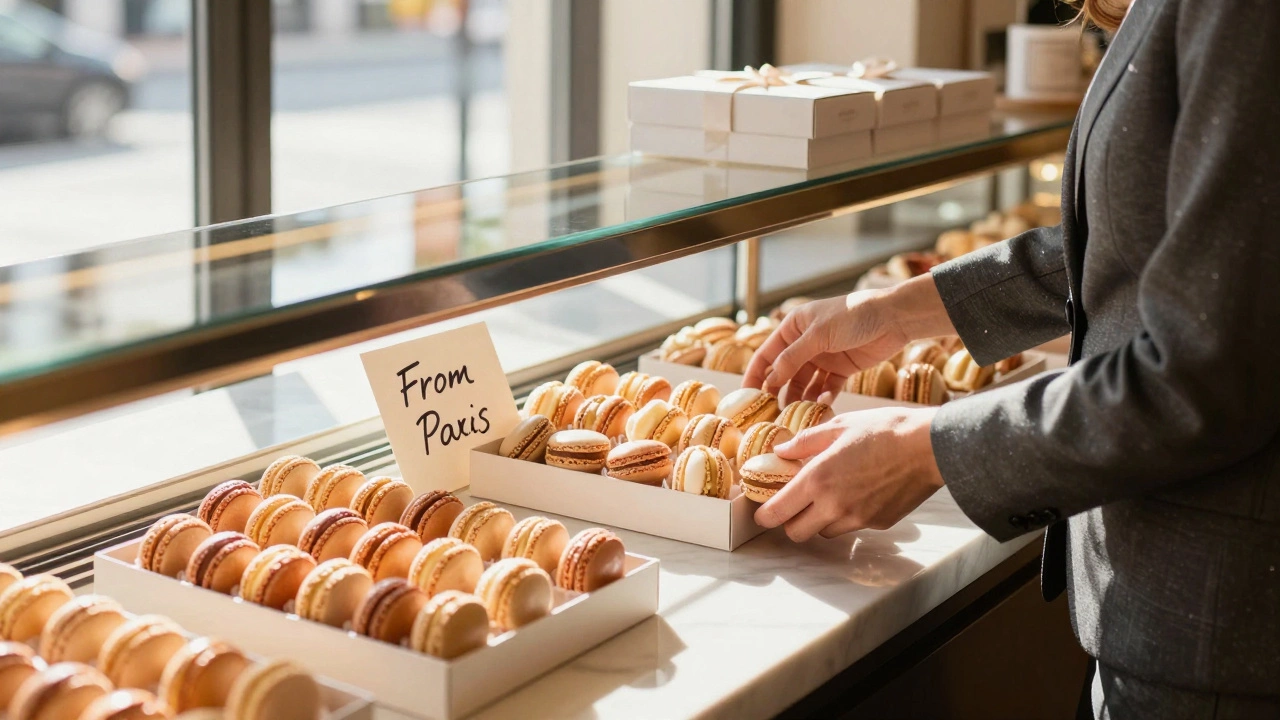
When you think of macarons, delicate French cookies made from almond flour, egg whites, and sugar, with a soft filling sandwiched between two crisp shells. Also known as French macarons, they’re not just sweet treats—they’re a blend of art, science, and centuries of baking tradition. But here’s the twist: macarons didn’t start in France. They came from Italy, brought over by Catherine de’ Medici’s chefs in the 1500s when she married the future King Henry II. Back then, they were simple almond cookies—no fillings, no colors, just nutty, chewy rounds. It wasn’t until the 1800s that Parisian bakers like Ladurée started pairing them with buttercream, ganache, or jam, turning them into the elegant treats we know today.
The real magic of macarons isn’t just their look—it’s how fragile they are to make. Getting the right texture—a crisp outer shell with a chewy center—depends on everything from how you fold the batter to the humidity in your kitchen. That’s why so many bakers struggle, and why successful ones are treated like artists. The macaron recipe, a precise balance of almond flour, powdered sugar, and egg whites whipped to stiff peaks leaves little room for error. Even small changes can cause cracked tops, hollow shells, or feet that don’t form properly. And yet, people keep trying. Why? Because when they work, the flavor bursts: light, sweet, and layered with whatever filling you choose—chocolate, raspberry, salted caramel, even matcha.
Today, macarons are more than dessert. They’re a global phenomenon, popping up in bakeries from Tokyo to Toronto, customized for weddings, holidays, and Instagram feeds. But their core hasn’t changed. It’s still about technique, patience, and the quiet joy of biting into something that took hours to perfect. The macaron texture, that signature crunch giving way to a tender, slightly sticky middle is what makes them unforgettable. And that’s why you’ll find so many posts here about what they taste like, how to fix common baking mistakes, and why quality ingredients make all the difference.
Below, you’ll find real, tested insights from bakers who’ve been there—struggling with cracked shells, perfecting fillings, and learning why some macarons just won’t behave. Whether you’re trying your first batch or you’ve baked dozens, there’s something here that’ll help you get closer to that perfect bite.
Who Brought Macarons to Brazil?
Macarons became a Brazilian favorite not through one person, but through travelers, French immigrants, and local bakers who turned them into a tropical treat. Discover how this French pastry found a new home in Brazil.
Read More