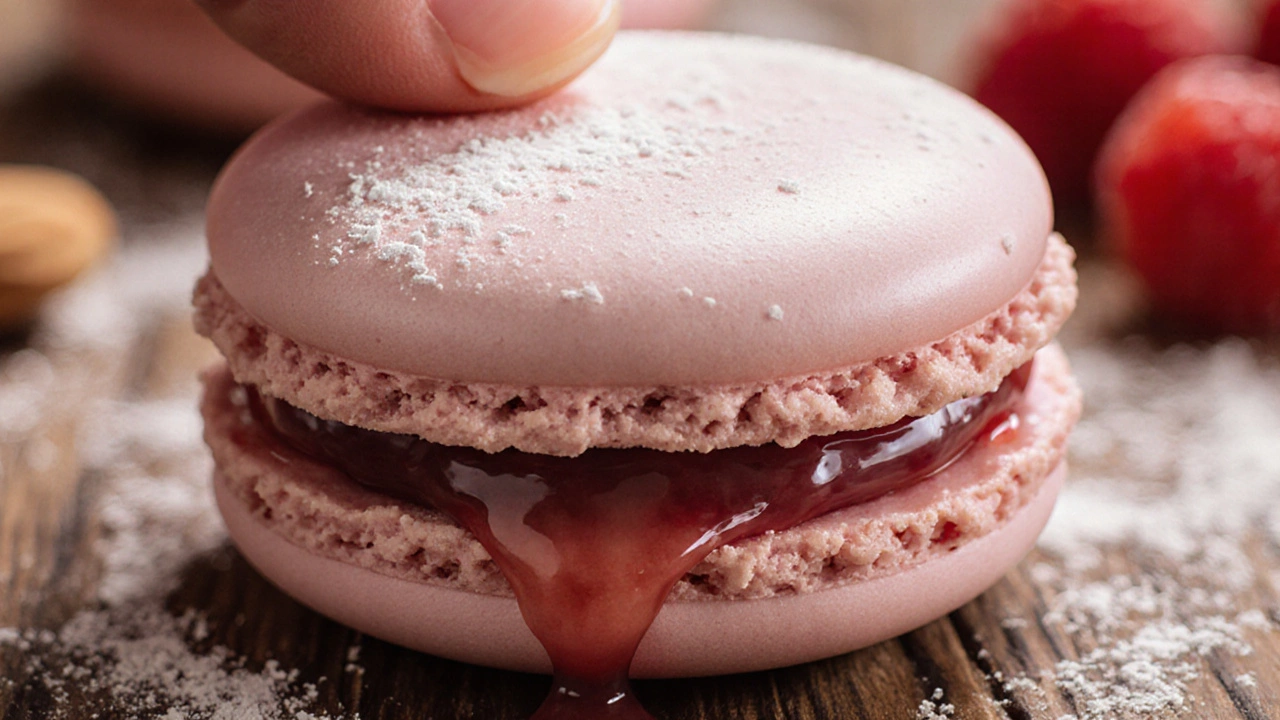
Macaron Flavor: What Makes a Macaron Truly Memorable
When you think of a macaron, a delicate French almond cookie with a crisp shell and soft, chewy center, often filled with buttercream, ganache, or jam. Also known as macaroon, it's not just a sweet—it's a test of precision, balance, and creativity. The shell gets all the attention, but the real magic? The macaron flavor inside. A beautiful pastel shell means nothing if the filling tastes flat, overly sweet, or just plain boring. The best macarons don’t just look like art—they taste like it too.
What makes one macaron flavor stand out? It’s not just the ingredient—it’s how it’s used. A raspberry filling that’s too watery will make the shell soggy. A vanilla buttercream that’s too thick won’t spread right. Even chocolate ganache needs the right ratio of cream to chocolate to hold its shape without being heavy. That’s why so many home bakers struggle: they focus on the shell and forget the filling is the soul of the macaron. And it’s not just about taste—it’s about texture, temperature, and timing. A good macaron flavor should linger just long enough to make you reach for another.
Some flavors work because they’re classic—chocolate, pistachio, lemon, espresso. Others surprise you—black sesame, rosemary honey, matcha white chocolate. But here’s the thing: the best macaron fillings aren’t just copied from Instagram. They’re tested. They’re balanced. They’re made with real ingredients, not artificial powders. And they’re chosen with the shell in mind. A delicate almond shell doesn’t need a loud flavor—it needs harmony. That’s why many pros start with a neutral base, then layer in subtle notes. A pinch of sea salt in caramel. A drop of orange zest in chocolate. A hint of cardamom in pistachio. These aren’t gimmicks. They’re the difference between good and unforgettable.
And don’t forget the filling’s role in structure. Too runny? The macaron collapses. Too stiff? It cracks when you bite. The filling has to match the shell’s texture—soft enough to spread, firm enough to hold. That’s why many bakers make their fillings ahead, letting them chill and thicken naturally. It’s not magic. It’s science. And it’s why some macarons taste amazing the day they’re made, but fall apart by day two.
What you’ll find in the posts below isn’t just a list of flavors. It’s the real talk behind what works, what doesn’t, and why. You’ll see how people fix soggy shells with the right filling, how to avoid common mistakes that ruin flavor balance, and how even a simple vanilla filling can be elevated with one smart tweak. Whether you’re new to macarons or you’ve baked a hundred batches, there’s something here that’ll change how you think about flavor—not just for macarons, but for all delicate desserts.
What Does a Macaron Taste Like? A Complete Guide to Flavor, Texture, and Experience
Macarons aren't just sweet cookies - they're delicate shells with flavorful fillings that offer a balance of crunch, chew, and taste. Discover what they really taste like and why quality matters.
Read More