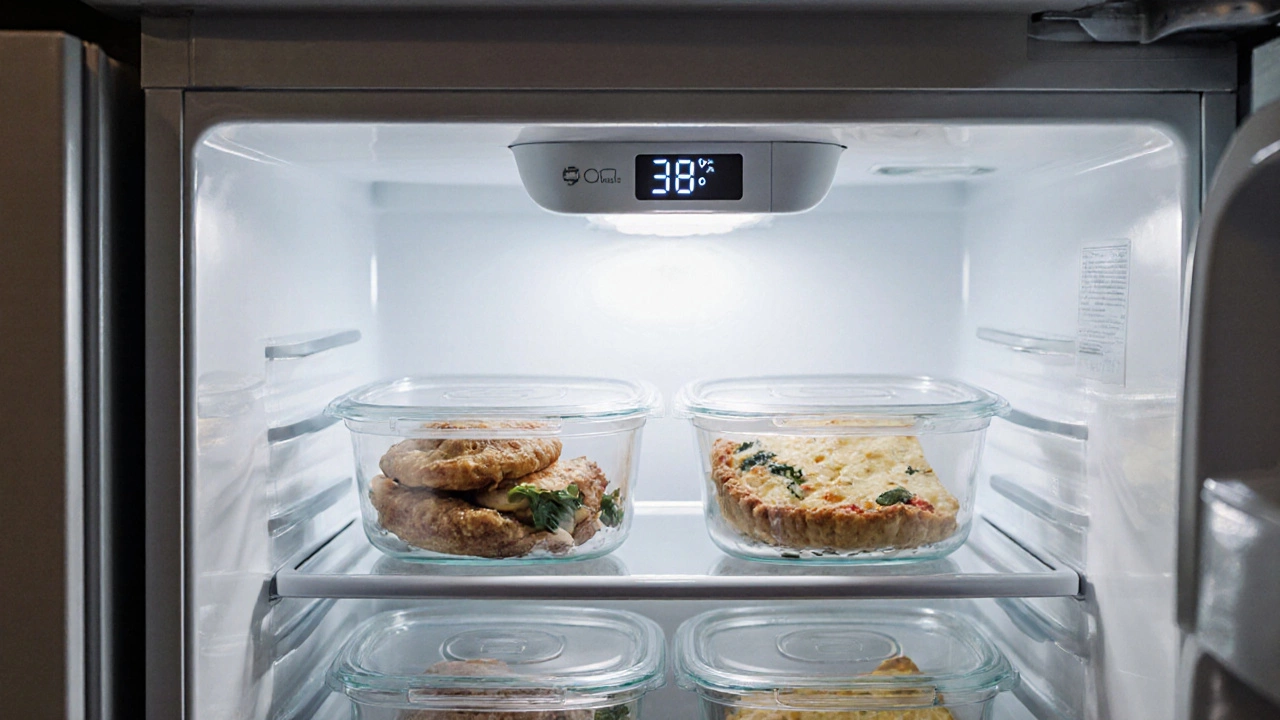
How Long Can Salgado Stay Fresh in the Fridge? A Food Safety Guide
Learn how long different salgado (savory pastries) stay fresh in the fridge, safety tips, storage best practices, and how tiramisu differs.
Read MoreRefrigerator Shelf Life, the period a food item remains safe and tasty when kept in a refrigerator. Also known as cold storage duration, it guides bakers on how quickly to consume or freeze their creations. Knowing how long a treat lasts in the fridge isn’t just about avoiding waste; it’s about keeping flavor, texture, and safety on point. When you bake a batch of brownies or a rich fudge, the clock starts ticking the moment they hit the cold shelf. This timing influences everything from moisture retention to microbial growth. In short, refrigerator shelf life determines whether your dessert stays soft and chewy or turns dry and stale.
Brownies, dense, chocolate‑y squares that stay moist when sealed properly. typically keep for 3–5 days in a sealed container at 4 °C. To stretch that window, wrap them tightly in plastic before the container and keep humidity low. Fudge, a soft, sugary confection that can crystallize if exposed to air. benefits from an airtight tin and a brief chill of 2–3 days; after that, texture may shift toward a firmer bite. Cheesecake, a creamy, dairy‑heavy dessert that thrives in a cool, stable environment. holds up to a week when wrapped in foil and stored on the bottom shelf to avoid temperature swings. For those avoiding gluten, gluten‑free cake, a cake made with alternative flours that can dry out faster than wheat‑based versions should be sealed with a damp paper towel under the lid to retain moisture, extending its refrigerator life to about 4 days. Each of these treats shares a core rule: keep them sealed, keep them cold, and keep them away from strong‑smelling foods.
Mastering refrigerator shelf life is mostly about controlling three factors: temperature, humidity, and exposure. Keep your fridge at or below 4 °C; a few degrees higher speeds up spoilage. Use airtight containers or wrap leftovers tightly in cling film to lock in moisture and block odors. If you need to store multiple desserts together, place the most delicate items on the bottom shelf where temperature is most consistent. Remember that visible signs—such as off‑colors, sour smells, or a slimy surface—are your cue to discard. When in doubt, the “sniff test” and a quick visual check outweigh any date you might have written on a sticky note. By applying these simple habits, you’ll notice the difference between a brownie that’s still fudgy and one that’s crumbly, or a cheesecake that retains its silky mouthfeel rather than turning grainy.
Below you’ll find a curated list of articles that dive deeper into each dessert’s storage quirks, step‑by‑step guides for proper cooling, and troubleshooting tips for common problems. Whether you’re a weekend baker or a daily dessert enthusiast, the insights here will help you keep every sweet treat at its best for as long as possible.
Learn how long different salgado (savory pastries) stay fresh in the fridge, safety tips, storage best practices, and how tiramisu differs.
Read More