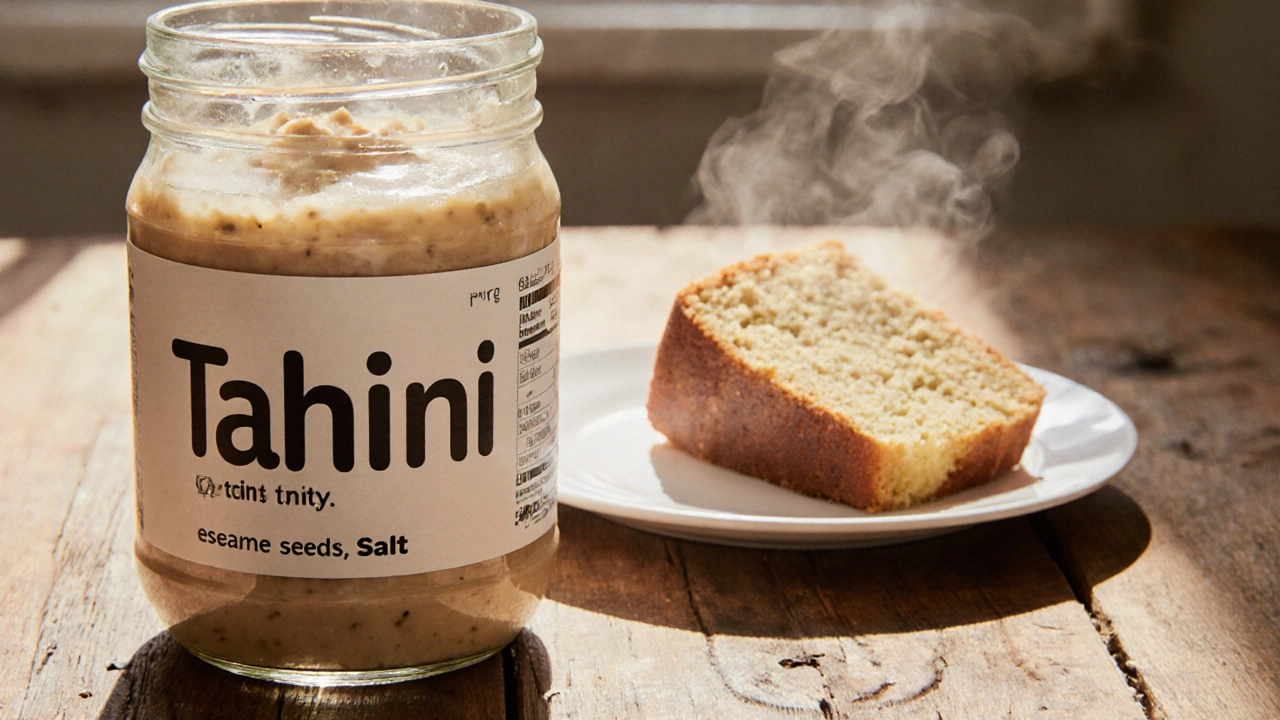
Tahini and Gluten: Is Tahini Gluten-Free?
Learn if tahini contains gluten, how to spot safe products, and tips for using it in gluten‑free cakes. Includes label guide, contamination risks, and a handy FAQ.
Read MoreWhen cooking with tahini, a smooth paste made from ground sesame seeds. Also known as sesame butter, it serves as a base for sauces, dressings, and desserts. The core of tahini lies in its tahini ingredients: roasted sesame seeds, a touch of neutral oil like sesame or olive oil, and a pinch of salt. Each component plays a specific role—sesame seeds provide the nutty flavor and protein, oil adjusts mouthfeel, and salt enhances taste. In addition, variations may add lemon juice, garlic, or spices, turning plain tahini into a versatile condiment. Understanding these basics sets the stage for tweaking recipes to fit dietary needs or flavor cravings.
Grasping the makeup of tahini opens up a world of culinary tweaks. For instance, olive oil, when used instead of traditional sesame oil, lends a fruity note that brightens hummus—a staple of Middle Eastern cuisine the regional cooking style that relies heavily on tahini. The amount of oil also dictates whether your spread feels creamy or slightly gritty; more oil yields a silkier texture, while less keeps it thick enough for baking into cookies. Salt, though simple, balances the natural bitterness of the seeds and can be adjusted for low‑sodium diets. Some brands add roasted garlic or paprika, creating ready‑to‑use dip bases. Knowing which ingredients you’re comfortable with helps you avoid allergens—sesame is a top allergen, and some commercial tahinis may contain trace nuts or dairy additives. By mastering the ingredient list, you can craft homemade tahini that’s pure, allergen‑free, and perfectly suited to your palate.
Beyond the kitchen, the ingredient profile of tahini influences storage and shelf life. Pure sesame‑seed paste without added preservatives should be kept in a cool, dark place, and once opened, stored in the refrigerator to slow oxidation of the oils. A quick stir before each use re‑incorporates any oil that has risen to the top. If you ever wonder how to tweak the taste, think about roasting the seeds longer for deeper flavor, or swapping a portion of the oil for toasted sesame oil to boost nuttiness. All these adjustments stem from a clear picture of what goes into the jar. Below you’ll find articles that dive deeper into specific ingredient choices, nutrition facts, and creative ways to use tahini in sweet and savory dishes.
Learn if tahini contains gluten, how to spot safe products, and tips for using it in gluten‑free cakes. Includes label guide, contamination risks, and a handy FAQ.
Read More