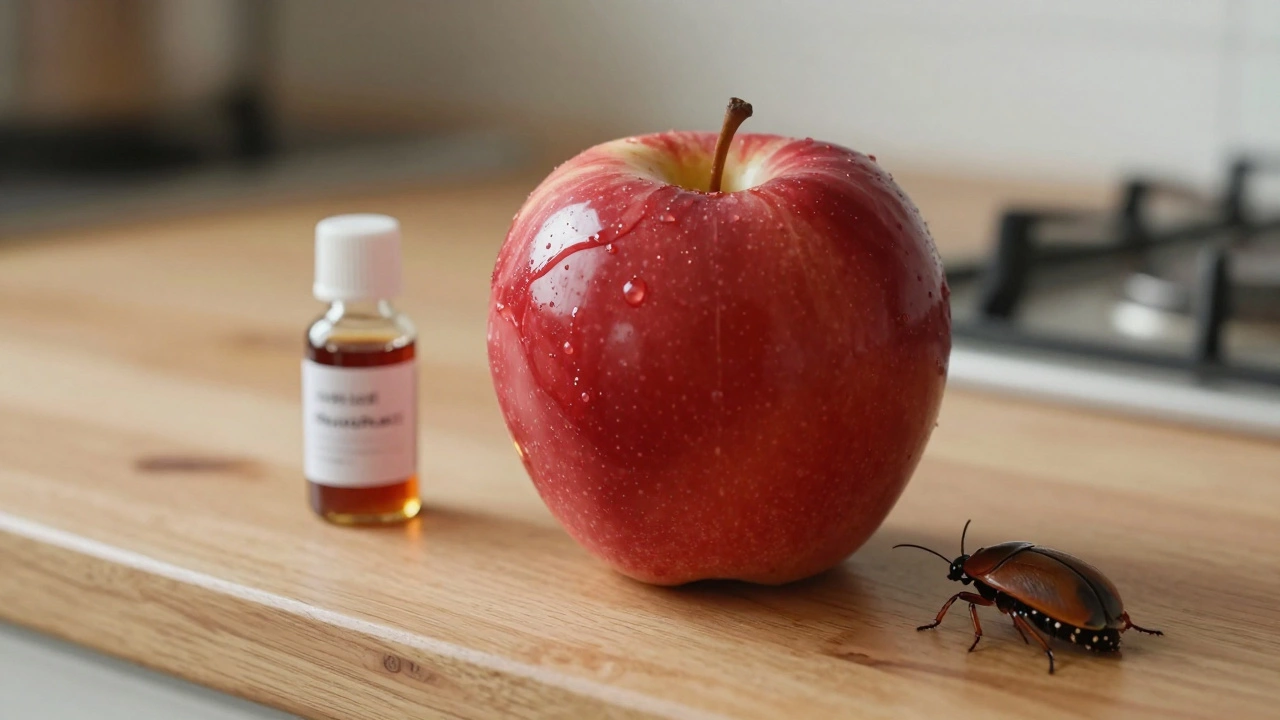
Waxed Fruit: What It Is, Why It's Used, and What You Need to Know
When you pick up an apple, orange, or cucumber at the grocery store, you might not notice the thin, shiny coating—but that’s waxed fruit, a food-grade coating applied to produce to extend shelf life and improve appearance. Also known as edible fruit wax, it’s not glue, plastic, or something unnatural—it’s a safe, regulated layer designed to lock in moisture and keep fruit fresh longer. You’re probably eating it every week without realizing it.
Waxed fruit isn’t just for looks. fruit waxing, a practice used globally to reduce spoilage during transport and storage, helps prevent water loss, slows mold growth, and protects delicate skins from bruising. Without it, many fruits would shrivel or rot before reaching your kitchen. The wax itself is made from natural sources like beeswax, carnauba wax from palm leaves, or even resin from trees. Some brands use synthetic versions, but all must meet strict food safety rules. It’s not harmful, and it’s not meant to be peeled off—though washing with water or a gentle scrub can remove excess.
Still, people have questions. Is waxed fruit vegan? Does it hide pesticides? Can you eat it raw? The answers aren’t always simple. Some waxes contain dairy derivatives or shellac (from insects), which matters if you’re avoiding animal products. And while the wax itself doesn’t trap pesticides, it can seal them in if the fruit wasn’t washed properly before coating. That’s why knowing your source matters. Organic fruits often use only approved natural waxes, while conventional ones might use blends you wouldn’t recognize. food coating, a broader term covering everything from sugar glazes to oil sprays on produce, is everywhere in modern food systems—but not all coatings are created equal.
What you’ll find in the posts below are real, practical insights about waxed fruit and the foods it touches. You’ll learn why some apples look too perfect to be real, how to spot waxed citrus without a magnifying glass, and what alternatives exist if you want to avoid it entirely. There’s also a deep dive into how wax affects baking—yes, even when you’re using fruit in cakes or pies. We’ve covered the science, the myths, and the simple steps you can take to make smarter choices at the store. No fluff. No jargon. Just what you need to know before you bite into that shiny pear.
What Fruit Is Not Vegan? The Surprising Truth About Vegan Desserts
Not all fruit is vegan - wax coatings and honey can sneak into your desserts. Learn which fruits to avoid and how to make truly vegan treats with simple swaps and smart shopping.
Read More