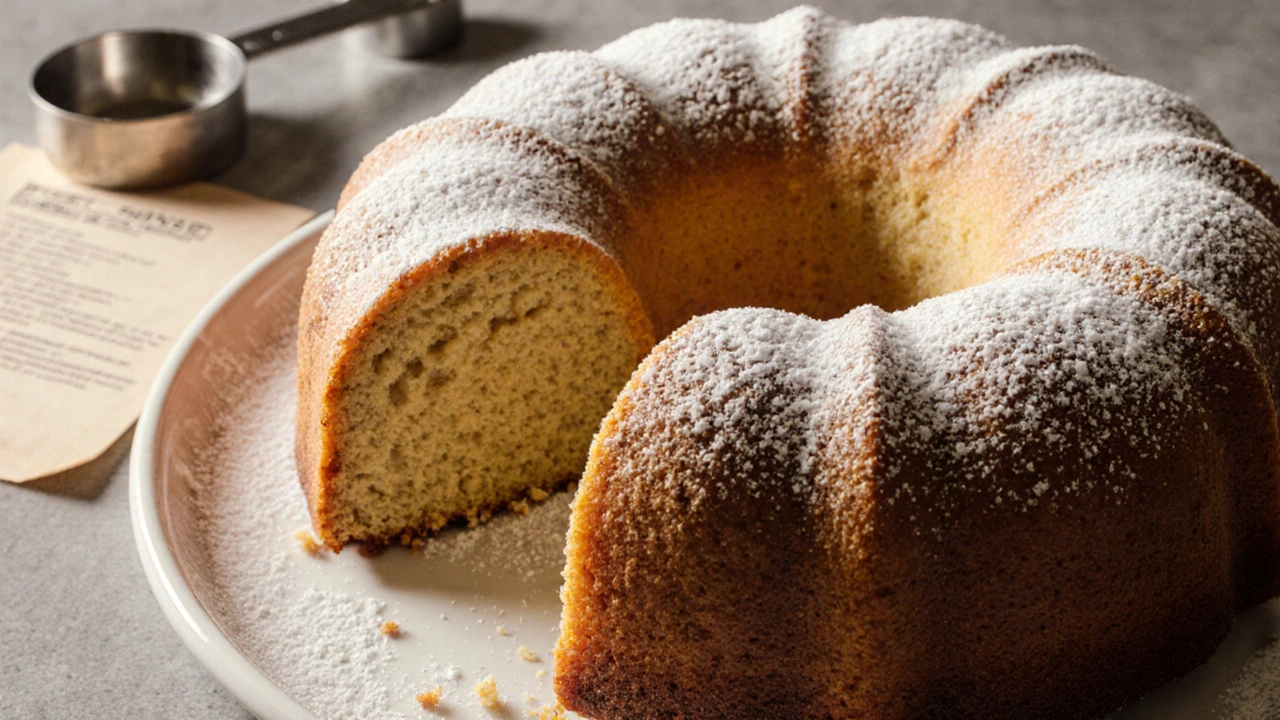
What Is Sinking Cake? Why Your Cake Falls in the Middle and How to Fix It
Learn why cakes sink in the middle and how to fix it with simple baking adjustments. No more collapsed centers-just perfect, even cakes every time.
Read MoreWhen your cake rises beautifully but then sinks in the center, it’s not just disappointing—it’s a sign something went wrong in the baking process. This common problem, known as cake center collapse, a baking failure where the middle of a cake falls after baking, often due to structural weakness or improper rising. Also known as a sunken cake, it happens even to experienced bakers and is usually caused by one or more simple mistakes. The cake might look fine coming out of the oven, but cooling reveals a dip, a crack, or worse—a dense, gummy middle. It’s frustrating because you followed the recipe, right? But recipes don’t account for every oven, every flour brand, or every timing quirk.
Most cake center collapse, a baking failure where the middle of a cake falls after baking, often due to structural weakness or improper rising. Also known as sunken cake, it is tied to three main issues: overmixing, incorrect oven temperature, or too much leavening. Overmixing develops too much gluten, which makes the cake tough and then causes it to pull down as it cools. If your oven runs hot, the outside sets too fast while the inside is still raw—so when it finally rises, there’s nothing left to hold it up. And if you’ve added too much baking powder or soda, the cake expands too fast, then crashes under its own weight. These aren’t myths—they’re science, and they’re fixable.
It’s not just about the ingredients—it’s about timing, technique, and trust. Opening the oven door too early is a classic mistake. That rush of cold air can shock the batter and stop the rise cold. Same with underbaking. A cake might look done on top, but if a toothpick comes out with wet crumbs, it’s not ready. And don’t forget your flour. Using the wrong type—like cake flour when the recipe calls for all-purpose—can throw off the structure. Even how you measure it matters. Scooping flour straight from the bag packs it down and adds too much, making the cake dense and prone to sinking.
You’ll find posts below that dig into the exact reasons why your cake won’t hold its shape. Some talk about how leavening agents behave at different temperatures. Others show you how to test your oven’s real heat with a simple thermometer. There are guides on flour substitutions, mixing times, and even how humidity affects your batter. You’ll learn why some recipes call for cooling cakes upside down, and how to rescue a slightly sunken cake with frosting or filling. This isn’t about perfection—it’s about understanding what went wrong so you can fix it next time. No more guessing. No more wasted cakes. Just better, more reliable bakes.
Learn why cakes sink in the middle and how to fix it with simple baking adjustments. No more collapsed centers-just perfect, even cakes every time.
Read More