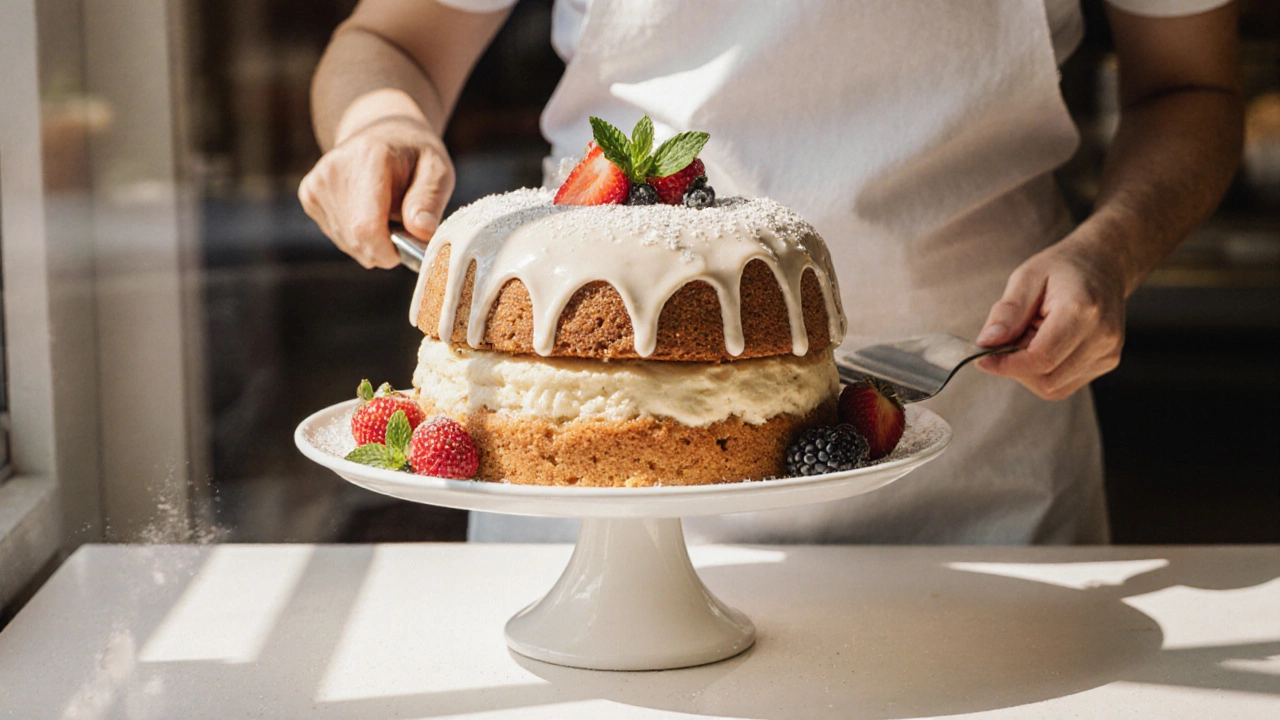
Gluten‑Free Cake Explained: Definition, Ingredients & Baking Tips
Learn what a gluten‑free cake is, why it matters, essential flour alternatives, step‑by‑step baking tips, troubleshooting tricks, and a simple recipe-all in one easy guide.
Read MoreWhen baking a gluten free cake, a cake that contains no wheat, barley, rye or any gluten‑derived ingredients, safe for celiacs and gluten‑sensitive eaters. Also known as GF cake, it lets dessert lovers enjoy fluffy layers without worry.
One of the biggest secrets behind a good gluten free cake is the gluten free flour blend, a mix of rice, tapioca, potato, sorghum or oat flours that mimics the structure wheat flour provides. This blend encompasses starches, proteins and fibers that together create the crumb and rise you expect. Yet the blend alone isn’t enough – you also need reliable binders, ingredients like xanthan gum, guar gum or psyllium husk that trap moisture and give the batter elasticity. Without binders, gluten‑free batters can turn crumbly or gummy. Another critical factor is cross contamination, the accidental introduction of gluten from shared utensils, surfaces or equipment. Managing this risk requires dedicated tools, thorough cleaning and sometimes separate workstations, especially in home kitchens where the same bowls might handle regular flour.
Start by choosing a high‑quality flour blend that suits the flavor profile you want – a rice‑based mix works great for light vanilla cakes, while a sorghum‑rich blend adds a subtle nuttiness to chocolate. Add the right amount of binders – generally about ¼ tsp of xanthan gum per cup of flour – and give the batter a brief rest; this hydrates the fibers and reduces the gritty feel. Temperature matters too: bake at a slightly lower heat (about 25°F less than a regular recipe) and extend the time a few minutes to let the structure set without drying out. Finally, keep an eye on cross‑contamination by using silicone mats, dedicated measuring cups and wiping down surfaces with a vinegar solution before you start.
The articles below dive deeper into each of these areas. You'll find a step‑by‑step guide to mastering gluten‑free flour ratios, a FAQ on whether common pantry items like tahini, peanut butter or potatoes contain hidden gluten, and practical tips for storing your finished cakes so they stay fresh. Whether you’re a beginner curious about safe substitutes or an experienced baker looking to fine‑tune texture, the collection offers actionable insights you can try right away.
Learn what a gluten‑free cake is, why it matters, essential flour alternatives, step‑by‑step baking tips, troubleshooting tricks, and a simple recipe-all in one easy guide.
Read More