Gluten-Free Ingredients: What Works, What Doesn't, and How to Bake Better
When you bake gluten-free ingredients, substitutes for wheat flour that allow people with celiac disease or sensitivity to enjoy baked goods without triggering reactions. Also known as wheat-free baking staples, these ingredients are the foundation of every successful gluten-free cake, cookie, or bread. But not all gluten-free flours are created equal. Rice flour alone gives you a gritty, dry cake. Cornstarch turns things gummy. The trick isn’t just swapping flour—it’s understanding how these ingredients behave together.
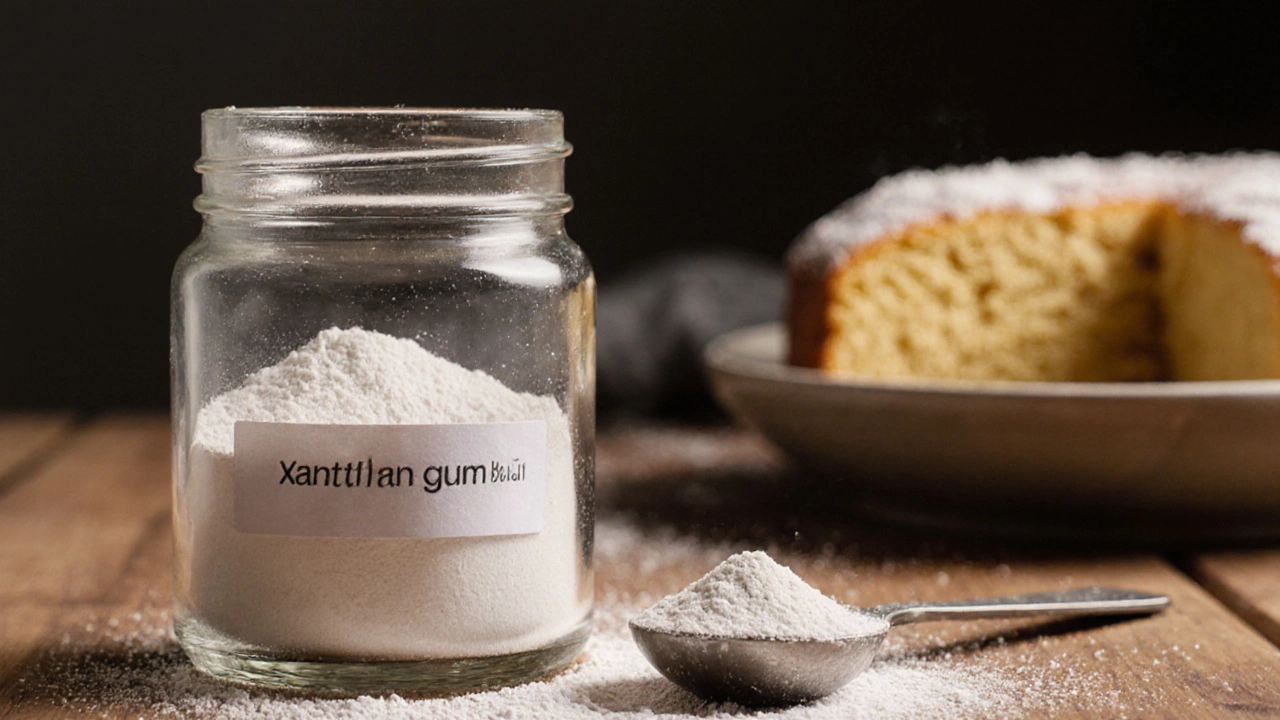
That’s where gluten-free flour blends, pre-mixed combinations of starches and flours designed to mimic wheat flour’s structure and texture. Also known as all-purpose gluten-free flour, these blends are the secret behind cakes that rise, hold shape, and don’t fall apart when you slice them. Most store-bought blends include rice flour, potato starch, tapioca flour, and a binder like xanthan gum, a natural thickener that replaces gluten’s elasticity in baked goods. Also known as gluten substitute, it’s not optional—it’s what keeps your brownies from crumbling into dust. Skip it, and your cake will collapse. Use too much, and it’ll taste like chewy rubber. The right amount? Usually 1/2 to 1 teaspoon per cup of flour.
Then there’s the silent killer: cross-contamination, when gluten from flour, utensils, or surfaces accidentally gets into your gluten-free ingredients. Also known as hidden gluten, it doesn’t need to be visible to cause problems. A wooden spoon used for regular bread? A toaster shared with wheat toast? A bag of almond flour stored next to wheat flour? All can ruin your day. Even if your flour is labeled gluten-free, if it’s been handled in a facility that processes wheat, you’re at risk. Always check for certified gluten-free labels on oats, spices, and even vanilla extract.
And don’t forget the hidden traps. tahini, a paste made from ground sesame seeds, often used in gluten-free desserts for richness. Also known as sesame paste, it’s naturally gluten-free—but not always safe. Some brands add flour as a thickener or process it on shared equipment. Same with peanut butter, soy sauce, and even some chocolate chips. Reading labels isn’t optional—it’s your first line of defense.
You don’t need fancy equipment or hard-to-find ingredients to bake great gluten-free treats. You just need to know what works. The posts below show you exactly which flours to mix, how much xanthan gum to use, how to avoid cross-contamination in your kitchen, and which everyday ingredients you might think are safe but aren’t. No fluff. No theory. Just what actually fixes your baking fails.
What 9 Foods Are Gluten-Free? A Practical Guide for Baking and Eating
Discover nine naturally gluten-free foods perfect for baking and eating, including rice, almond flour, and certified oats. Learn how to build better gluten-free cakes without guesswork.
Read More
Is Xanthan Gum Gluten-Free? A Clear Answer for Bakers
Xanthan gum is naturally gluten-free and safe for baking gluten-free cakes, but cross-contamination can be a risk. Learn how to choose safe brands and alternatives if you're sensitive.
Read More