If you’re avoiding gluten-whether for health, sensitivity, or lifestyle-you’ve probably stared at a grocery shelf wondering what’s actually safe to eat. The good news? Plenty of whole, natural foods are naturally gluten-free. And if you love baking, especially gluten-free cakes, you’ll be happy to know you don’t need to sacrifice flavor or texture. Let’s cut through the confusion and look at nine real, everyday foods that are gluten-free and perfect for your kitchen.
1. Rice
Rice is one of the most reliable gluten-free staples. Whether it’s white, brown, wild, or black rice, it’s naturally free of gluten. It’s also incredibly versatile. Use it as a base for stir-fries, in salads, or even ground into flour for gluten-free cakes. Brown rice flour, for example, has a slightly nutty taste and works well in blends with other flours. Many commercial gluten-free cake mixes use rice flour as their primary ingredient because it’s neutral in flavor and easy to work with.
2. Quinoa
Quinoa isn’t just a trendy superfood-it’s a complete protein and a fantastic gluten-free grain substitute. Cooked quinoa has a light, fluffy texture and a mild, earthy flavor. It’s great in savory dishes, but it also shines in baking. Try replacing up to 25% of your flour blend with finely ground quinoa flour. It adds protein and a subtle depth that works especially well in chocolate cakes or dense, moist bars. Just make sure the package says "certified gluten-free," because cross-contamination can happen during processing.
3. Potatoes
Potatoes are one of the most overlooked gluten-free ingredients. Yes, they’re a starch-but that’s exactly why they’re so useful in baking. Potato starch, made from dried and ground potatoes, is a key player in gluten-free flour blends. It helps mimic the soft crumb of wheat-based cakes. You’ll find it in most store-bought gluten-free cake mixes. And if you’re making your own blend, combine potato starch with tapioca flour and almond flour for a tender result. Whole boiled or mashed potatoes can even be added directly to batter for extra moisture.
4. Corn
Corn is another naturally gluten-free grain. Cornmeal, corn flour, and masa harina are all safe options. Corn flour gives baked goods a slightly sweet, grainy texture that works well in yellow cakes or muffins. Masa harina, used in traditional Mexican tortillas, can add a unique flavor to gluten-free corn cakes. Just avoid pre-made corn tortillas or chips that list "wheat starch" or "modified food starch"-those can contain hidden gluten. Stick to plain corn products labeled gluten-free for safety.
5. Almonds
Almond flour is a game-changer for gluten-free baking. Made from blanched, finely ground almonds, it’s rich in fat and protein, which helps create moist, tender cakes. It’s especially popular in flourless chocolate cakes and French-style desserts. Because it’s denser than wheat flour, you usually need to combine it with other flours or add extra eggs for lift. A good rule of thumb: use 1:1 almond flour to wheat flour in recipes that don’t require rising, like brownies or shortbread. For cakes that need to rise, blend it with rice flour and xanthan gum.
6. Coconut
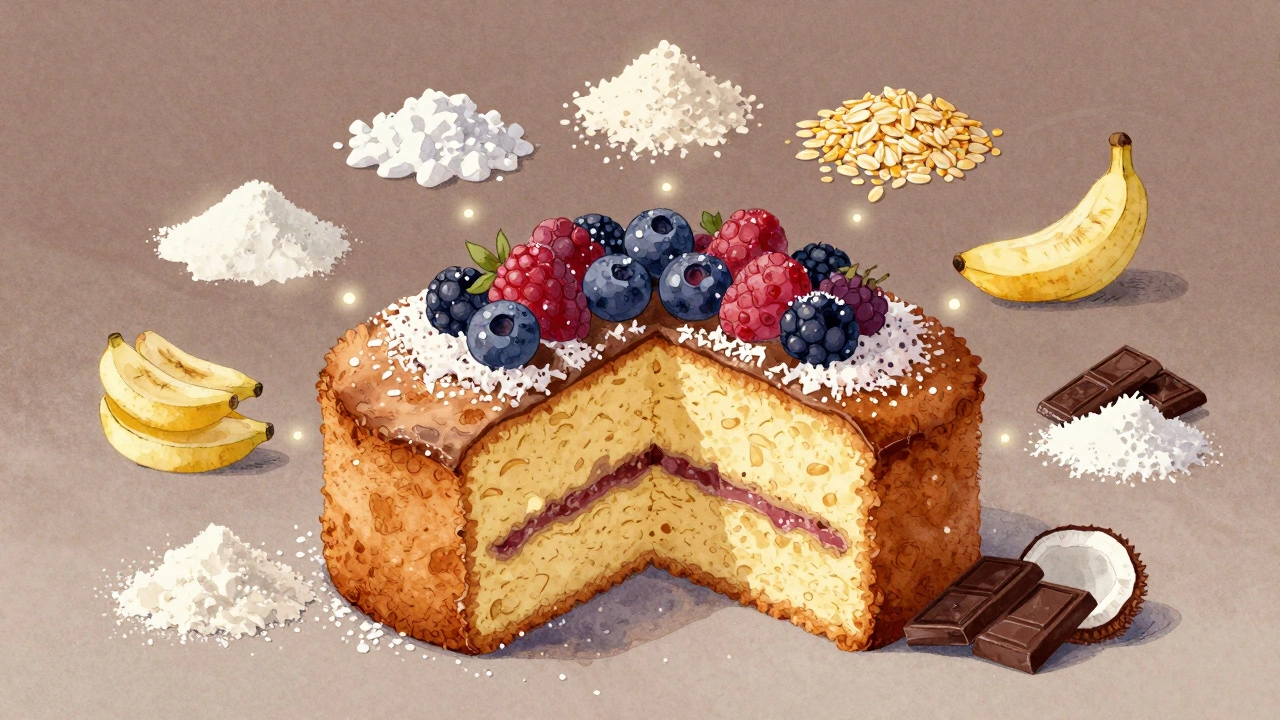
Coconut flour is one of the most absorbent gluten-free flours you can use. It soaks up liquid like a sponge, so recipes using it need way more eggs or wet ingredients than traditional ones. Don’t substitute it cup-for-cup-it’ll turn your cake into a brick. Instead, use it in small amounts (10-20% of your total flour blend) to add fiber and a subtle sweetness. It works beautifully in tropical-flavored cakes, like coconut-lime or mango sponge. Always choose unsweetened, unflavored coconut flour. The kind with added sugar or flavorings can throw off your recipe.
7. Oats (Certified Gluten-Free)
This one trips people up. Oats themselves don’t contain gluten, but they’re often processed in facilities that also handle wheat, barley, or rye. That’s why cross-contamination is a real issue. The solution? Look for oats labeled "certified gluten-free." These are grown and processed in dedicated facilities. Certified gluten-free oats are perfect for adding texture to crumb toppings, granola bars, or even gluten-free oat cakes. They bring a hearty, chewy quality that mimics traditional oatmeal cookies. Just don’t assume regular oats are safe-always check the label.
8. Fruit
Fruit is naturally gluten-free, but it’s more than just a topping. Pureed fruit like applesauce, mashed bananas, or pumpkin puree can replace eggs or oil in baking. They add moisture, sweetness, and structure without gluten. In gluten-free cakes, mashed banana helps bind ingredients and keeps the crumb soft. Applesauce adds a subtle sweetness that pairs well with spices like cinnamon and nutmeg. You can even use fruit purees as partial sugar replacements. A ripe banana can cut sugar by 25% in a cake recipe while keeping it moist.
9. Dark Chocolate (70% or Higher)
Not all chocolate is gluten-free. Some brands add barley malt or wheat flour as fillers or emulsifiers. But plain dark chocolate with 70% cocoa or higher is usually safe. Always check the label-look for "gluten-free" certification or a statement that it’s made in a dedicated facility. Dark chocolate is a powerhouse in gluten-free baking. It adds richness, depth, and moisture to cakes without needing extra fat. Try using melted dark chocolate in a flourless chocolate cake. It creates a dense, fudgy texture that’s unforgettable. Brands like Green & Black’s and Lindt (check specific bars) offer certified gluten-free options.
Why This Matters for Gluten-Free Cakes
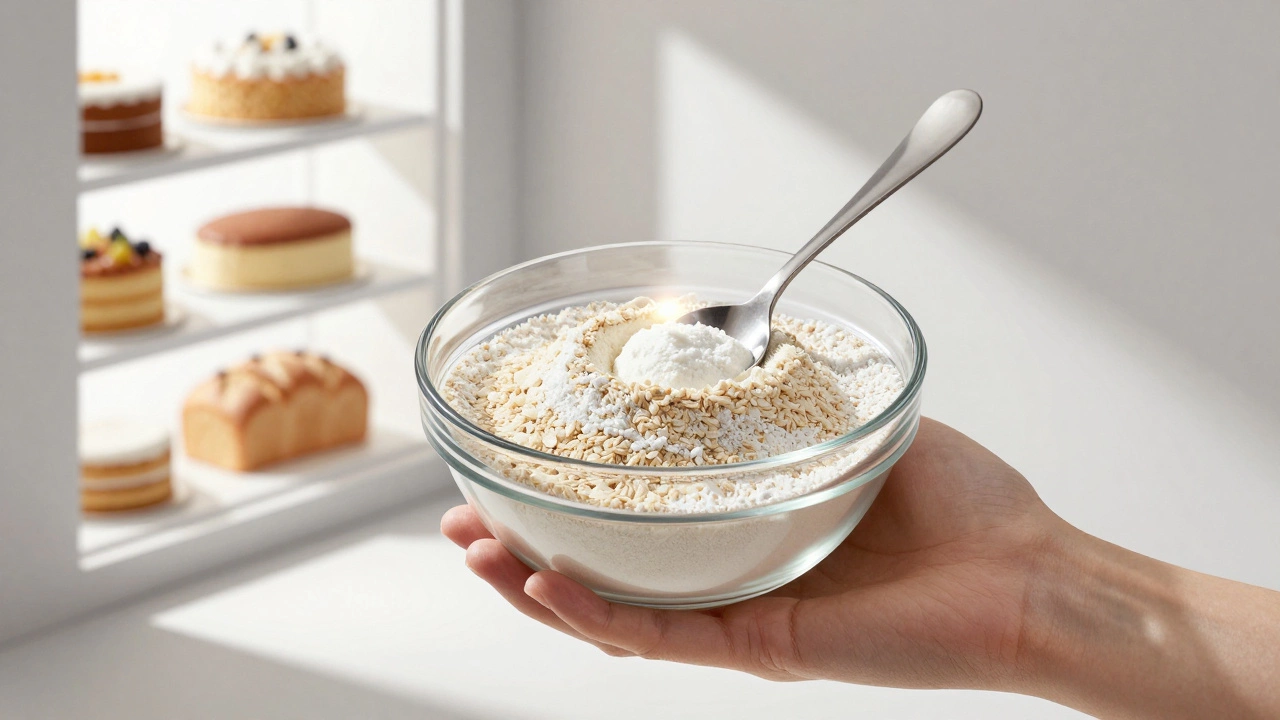
Most gluten-free cakes fail because bakers try to swap wheat flour for one alternative. It doesn’t work that way. Gluten-free baking is about blending textures. A good gluten-free cake flour mix usually includes two or three of the ingredients above-like rice flour, potato starch, and almond flour-along with a binder like xanthan gum. The key is balance: starches for lightness, flours for structure, and fats or purees for moisture. Once you understand how these nine foods work together, you’ll stop guessing and start baking with confidence.
What to Avoid
Just because something sounds healthy doesn’t mean it’s gluten-free. Watch out for:
- Pre-made cake mixes with "modified food starch" (often derived from wheat)
- Flavorings or extracts that contain grain alcohol (some use barley)
- Decorative toppings like sprinkles or cookie crumbs (they often contain wheat)
- Chocolate chips labeled "may contain traces of wheat"
When in doubt, read the full ingredient list. No hidden terms. No vague phrases. If you can’t identify the source, skip it.
Real-World Tip: Build Your Own Flour Blend
Instead of buying expensive pre-mixed gluten-free flours, make your own. Here’s a simple, reliable blend that works for cakes:
- 1 cup brown rice flour
- 1/3 cup potato starch
- 1/3 cup tapioca flour
- 1 teaspoon xanthan gum
That’s it. This blend mimics the texture of wheat flour better than most store-bought options. Store it in an airtight container. Use it cup-for-cup in any cake recipe. You’ll save money and know exactly what’s in it.
Final Thought
Gluten-free doesn’t mean limited. It means rethinking ingredients. The nine foods above aren’t just safe-they’re powerful. They’re the backbone of great gluten-free cakes, cookies, and pastries. Start with these, experiment with ratios, and soon you won’t miss wheat at all. You might even find your new favorite cake is the one you made without it.
Are all fruits gluten-free?
Yes, all fresh, whole fruits are naturally gluten-free. That includes apples, bananas, berries, citrus, and melons. The only risk comes from processed fruit products-like canned fruit in syrup, dried fruit with added coatings, or fruit bars that may contain wheat flour or barley malt. Always check labels on packaged fruit items.
Can I use regular oats in gluten-free baking?
No, not unless they’re labeled "certified gluten-free." Regular oats are almost always cross-contaminated with wheat during farming or processing. Even a small amount of gluten can trigger reactions in people with celiac disease or severe sensitivity. Certified gluten-free oats are grown in separate fields and processed in dedicated facilities, making them safe to use.
Why do gluten-free cakes sometimes turn out dry?
Gluten-free flours lack the structure that gluten provides, so they can dry out quickly. The fix is adding moisture-rich ingredients like mashed banana, applesauce, yogurt, or extra eggs. Also, avoid overbaking-gluten-free cakes often need less time than wheat-based ones. Check for doneness 5-10 minutes before the recipe suggests.
Is almond flour the same as almond meal?
No. Almond flour is made from blanched almonds (skins removed) and ground finely, giving it a smooth texture ideal for cakes. Almond meal is made from whole almonds with skins and has a coarser, grittier texture. Almond meal works better in cookies or crusts, while almond flour is better for light, airy cakes. Always check the label to know which you’re buying.
Can I substitute gluten-free flour 1:1 for regular flour?
Only if you’re using a pre-mixed 1:1 gluten-free flour blend that includes xanthan gum or another binder. Most single flours-like rice flour or coconut flour-cannot be swapped cup-for-cup. They absorb liquid differently and lack elasticity. Always follow a recipe designed for gluten-free baking, or use a trusted blend like the one provided above.