Gluten-Free Rice: What It Is, Why It Matters, and How to Use It
When you’re baking for a gluten-free rice, a naturally gluten-free grain used as flour or whole grain in baking for people with celiac disease or gluten sensitivity. It’s one of the most common alternatives to wheat flour and works well in cakes, cookies, and crusts. Unlike wheat, rice doesn’t contain gluten—the protein that gives bread its stretch and structure. That’s why it’s a go-to for anyone avoiding gluten, but it’s not as simple as swapping it in directly. You need to understand how it behaves, what it needs, and what to mix it with to get good results.
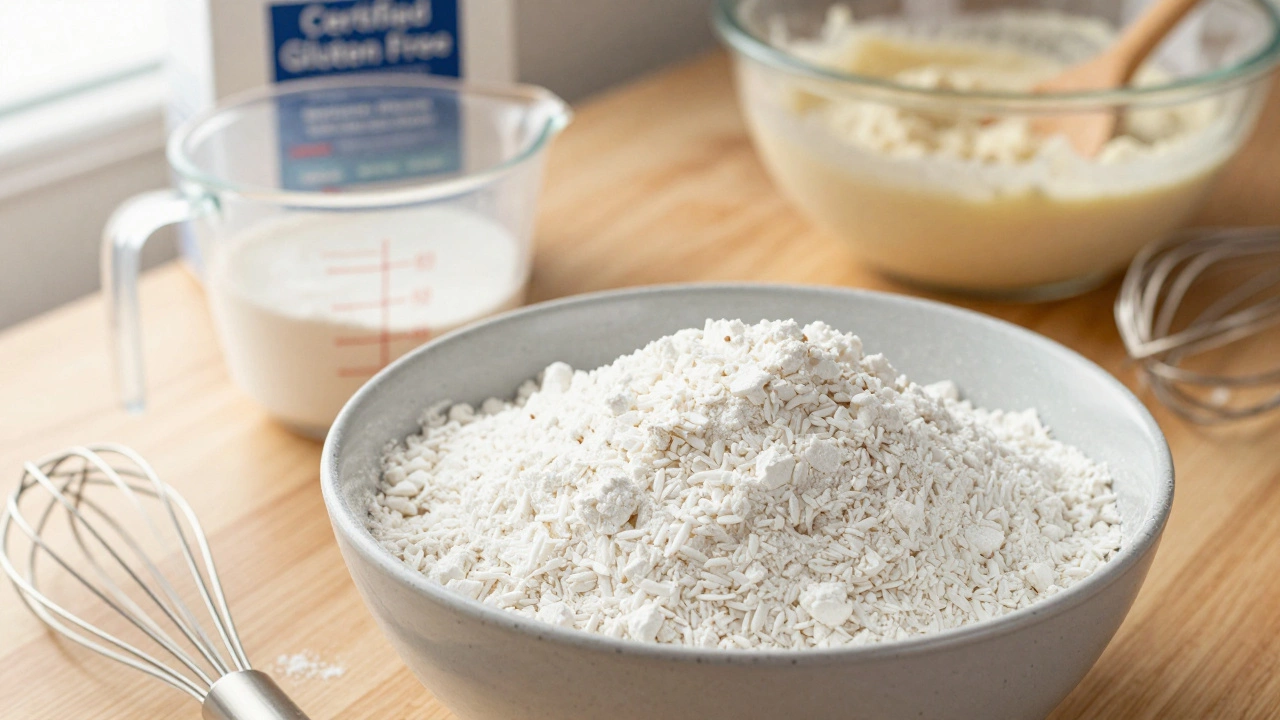
Gluten-free rice isn’t just one thing. There’s white rice flour, brown rice flour, sweet rice flour, and even rice starch. Each has different properties. White rice flour is light and neutral, great for delicate cakes. Brown rice flour adds a nutty flavor and more fiber, but can make baked goods gritty if used alone. Sweet rice flour (also called glutinous rice flour) is sticky and helps bind things together—perfect for chewy cookies or pie crusts. And if you’re buying pre-made blends, check the label. Some include xanthan gum, which helps mimic gluten’s structure. Others don’t, and you’ll need to add it yourself. Cross-contamination is another hidden risk. Even if rice is naturally gluten-free, it can pick up gluten during processing if it shares equipment with wheat. Look for certified gluten-free labels if you’re sensitive.
People with celiac disease, an autoimmune disorder triggered by gluten that damages the small intestine rely on gluten-free rice because even tiny amounts of gluten can cause serious harm. But it’s not just for medical reasons. Many people choose gluten-free rice because they feel better without wheat, or they just like the taste. The key is pairing it right. Rice flour alone tends to crumble. That’s why recipes often mix it with tapioca starch, potato starch, or almond flour to balance texture. You also need more liquid than you’d use with wheat flour, because rice absorbs moisture differently. And don’t overmix—rice batter can turn gummy fast.
When you look at the posts here, you’ll see how gluten-free baking, the practice of making cakes, cookies, and breads without wheat, barley, or rye connects to real-world mistakes and fixes. One post explains why skipping xanthan gum ruins your cake. Another warns about hidden gluten in ingredients like tahini or even processed rice products. There’s even a guide on the most common errors people make when switching to gluten-free flour blends. These aren’t theory—they’re real problems bakers face, and the solutions are simple once you know what to look for.
Gluten-free rice isn’t magic. It doesn’t make your cake taste like wheat. But when you treat it right—with the right blend, the right moisture, and the right care—it becomes a powerful tool. Whether you’re baking for yourself or someone else, understanding how rice flour works gives you control. You won’t just avoid gluten—you’ll make desserts that actually taste good. Below, you’ll find real posts that break down exactly how to get it right, from flour choices to fixing soggy or crumbly results. No fluff. Just what works.
Does Rice Contain Gluten? A Clear Answer for Gluten-Free Baking
Rice is naturally gluten-free and safe for gluten-free cakes, but not all rice flours are created equal. Learn how to choose the right type, avoid contamination, and bake better gluten-free cakes with rice flour.
Read More