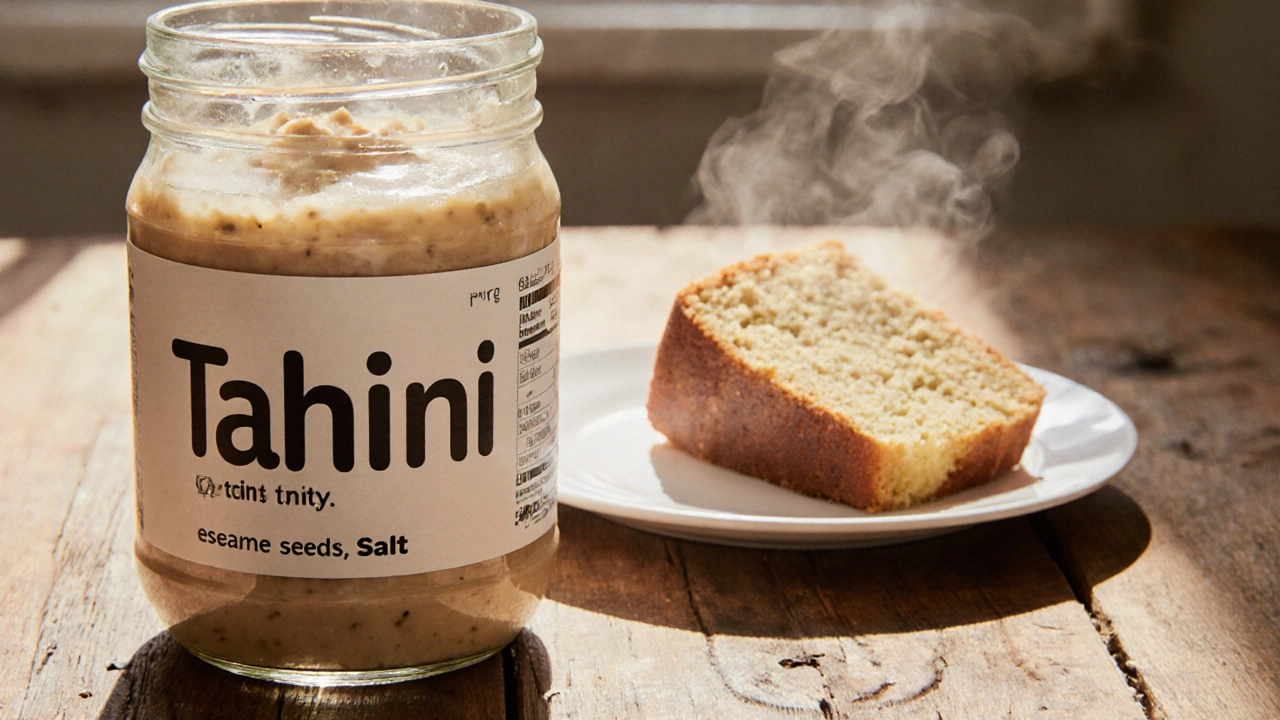
Tahini and Gluten: Is Tahini Gluten-Free?
Learn if tahini contains gluten, how to spot safe products, and tips for using it in gluten‑free cakes. Includes label guide, contamination risks, and a handy FAQ.
Read MoreWhen talking about Gluten in Tahini, the possible presence of wheat‑derived protein in sesame‑seed paste. Also called gluten‑contaminated tahini, it raises questions for anyone on a gluten‑free diet. Tahini, a smooth blend of ground sesame seeds, oil and a pinch of salt is naturally gluten‑free, but Gluten, a protein found in wheat, barley and rye can sneak in during processing, storage or transport. This is known as Cross‑contamination, the unintended transfer of allergens between foods sharing equipment or facilities. For shoppers, the Gluten‑free label, a certification that a product contains less than 20 ppm gluten and meets regulatory standards becomes a vital cue. Understanding these connections helps you decide if a jar of tahini is safe for celiac disease or a strict gluten‑free lifestyle. The core idea is simple: if the production line also handles wheat, the risk rises, and you need to verify the label or contact the manufacturer.
First, check the ingredient list. If you see any added flavors, emulsifiers, or stabilizers, they might be derived from wheat. Brands that explicitly state "gluten‑free" usually undergo third‑party testing, which reduces the chance of hidden gluten. Second, look for a dedicated production line. Some manufacturers run a separate tahini line that never touches wheat‑based products, and they will often highlight this on the packaging. Third, consider the country of origin. In regions with strict food‑labeling laws, gluten claims are more reliable. Fourth, store tahini properly. Even if a jar starts gluten‑free, opening it in a pantry where wheat flour is stored can introduce airborne particles. Finally, if you bake at home, you can make your own tahini from raw sesame seeds and a blender—this guarantees zero gluten.
Armed with this knowledge, you’ll be able to scan shelves, ask questions, and pick the safest option for your recipes. Below, you’ll find a hand‑picked collection of articles that dig deeper into related topics—like how peanut butter handles gluten, what to look for in gluten‑free baking mixes, and why some cheeses still pose a risk. Whether you’re a beginner learning to read labels or a seasoned baker perfecting a gluten‑free pastry, the posts ahead give practical tips, real‑world examples, and clear steps to keep your kitchen safe and delicious. Ready to explore? Let’s see what the experts have shared.Key Factors to Watch When Choosing Tahini
Learn if tahini contains gluten, how to spot safe products, and tips for using it in gluten‑free cakes. Includes label guide, contamination risks, and a handy FAQ.
Read More