Non-Vegan Fruit: What Makes a Fruit Not Vegan?
When you think of non-vegan fruit, fruit that contains hidden animal-derived ingredients despite being plant-based. Also known as non-plant-based fruit products, it refers to fruits that have been processed or coated with substances derived from animals—like beeswax, shellac, gelatin, or dairy-based glazes. It’s easy to assume all fruit is vegan because it grows on trees or vines, but what happens after harvest changes everything.
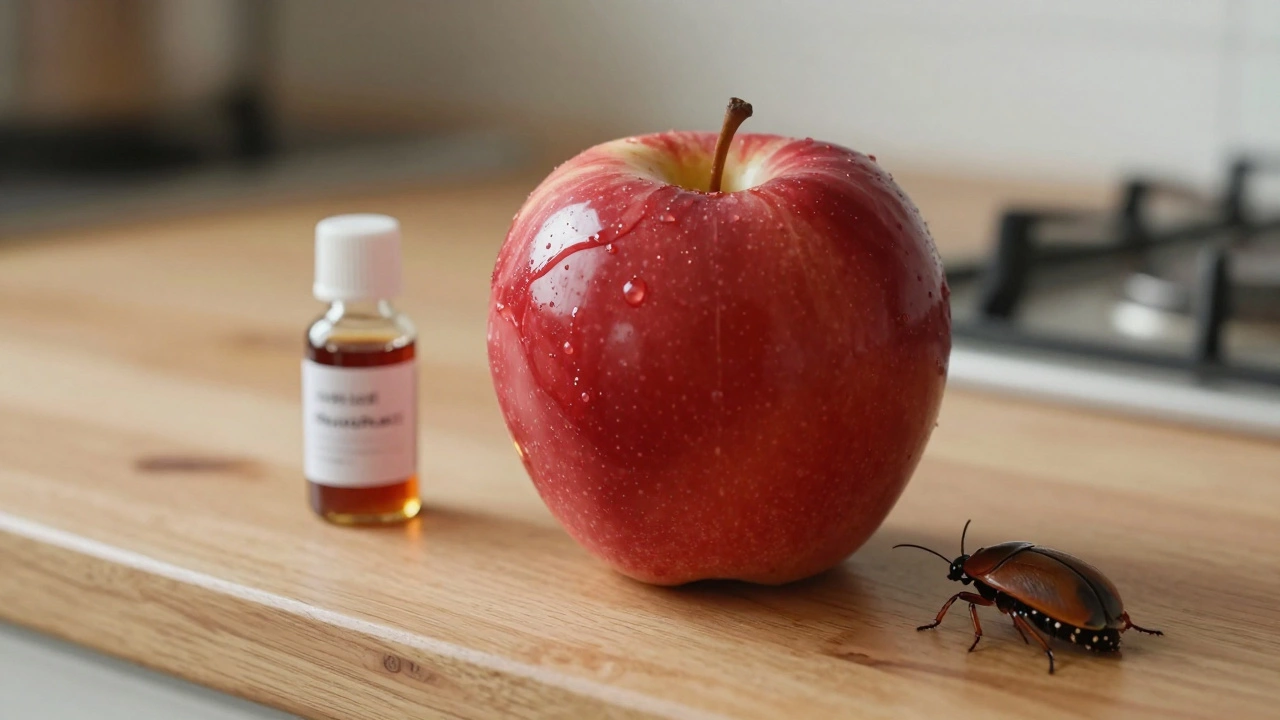
The real issue isn’t the fruit itself—it’s what’s done to it. Many apples, citrus fruits, and even bananas are coated with beeswax, a natural secretion from honeybees used to preserve shine and extend shelf life or shellac, a resin secreted by the female lac bug, commonly used as a food glaze. These aren’t listed as ‘ingredients’ on the label—they’re labeled as ‘natural glaze’ or ‘food-grade coating.’ If you’re avoiding animal products, you’re unknowingly consuming them. Even organic fruit can carry these coatings, since organic standards don’t always ban bee-derived or insect-derived substances.
Then there’s the hidden dairy. Some fruit desserts—like fruit pies with cream filling, candied fruit glazed in butter, or fruit-flavored yogurts—contain milk solids, whey, or casein. Even if the fruit is fresh, the preparation ties it to non-vegan sources. And let’s not forget fruit-based candies: gummy bears made with gelatin, fruit snacks with honey, or chocolate-dipped strawberries coated in milk chocolate. These aren’t fruit—they’re fruit-flavored products with animal ingredients. The line between fruit and non-vegan treat is thinner than you think.
You don’t need to avoid fruit entirely. But you do need to read labels, ask farmers at markets, or choose unwaxed produce. Look for ‘uncoated’ or ‘vegan-certified’ fruit. Grow your own. Or peel it—sometimes the coating is only on the skin. The same goes for dried fruit: check for added honey or oil blends. A banana might be naturally vegan, but if it’s dipped in chocolate that contains milk powder, it’s not. What you eat matters more than what it comes from.
This collection of posts dives into the hidden animal ingredients in everyday desserts and snacks, from fudge that uses evaporated milk to M&Ms that contain dairy even in dark chocolate versions. You’ll find out why potatoes aren’t always vegan, how xanthan gum fits into gluten-free baking, and what really goes into that ‘natural glaze’ on your apple. These aren’t just food facts—they’re practical guides to making smarter choices without giving up flavor. Whether you’re vegan, trying to cut dairy, or just curious about what’s in your food, you’ll walk away knowing exactly what to look for—and what to skip.
What Fruit Is Not Vegan? The Surprising Truth About Vegan Desserts
Not all fruit is vegan - wax coatings and honey can sneak into your desserts. Learn which fruits to avoid and how to make truly vegan treats with simple swaps and smart shopping.
Read More