Cookie Texture Estimator
Find out how your cookies will turn out based on butter preparation method. Select your options below to see expected texture, height, and spread.
Ever stared at a cookie recipe that says cream the butter, and thought, Can I just melt it instead? You’re not alone. A lot of home bakers wonder if skipping the creaming step saves time-and if it even matters. The short answer? Yes, you can melt butter. But your cookies will turn out very, very different.
Why Creaming Butter Matters
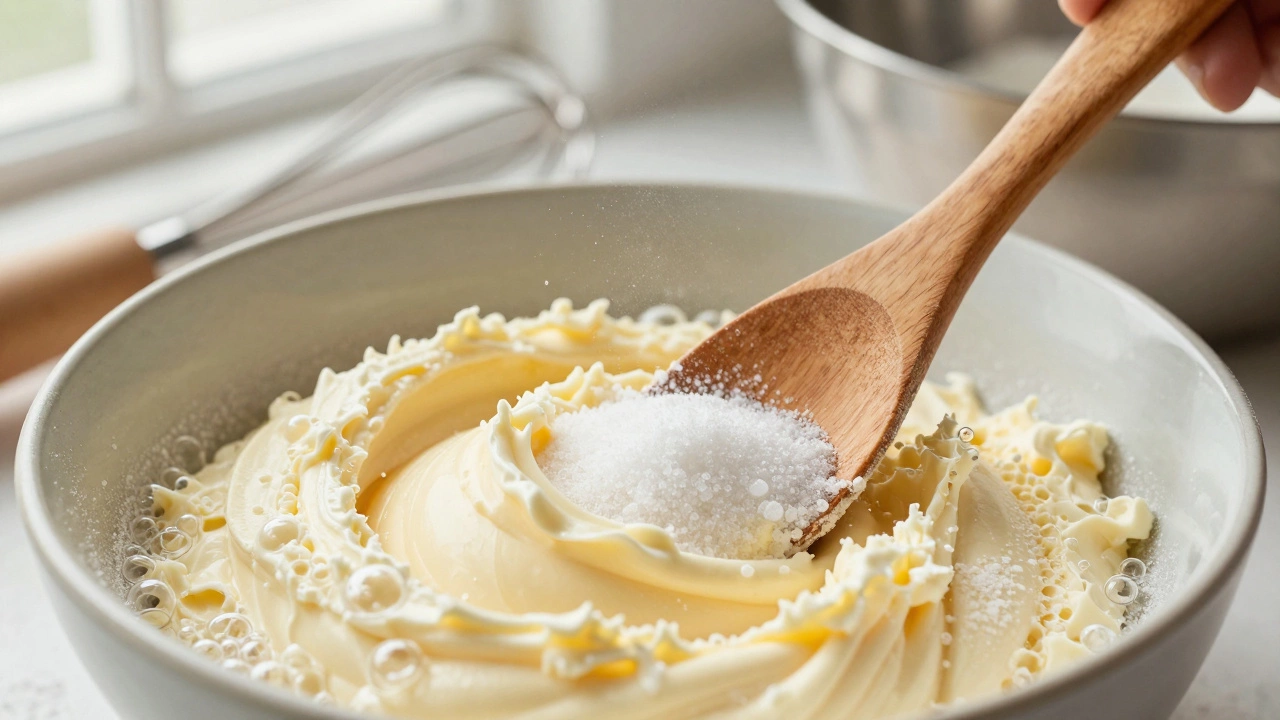
Creaming butter and sugar isn’t just a fancy step to make your kitchen look like a professional bakery. It’s a chemical and physical process that changes how your cookies behave. When you beat softened butter with sugar, you’re trapping tiny air bubbles into the fat. Those bubbles expand in the oven, giving cookies lift, chewiness, and an open, tender crumb. Think of it like whipping egg whites for meringue-you’re building structure from air.Butter that’s been creamed has a pale, fluffy texture. It’s not greasy. It doesn’t look like melted wax. It holds its shape when you scoop it. That’s because the fat crystals are still intact, and the sugar granules are scratching into them, creating space. When you bake with creamed butter, you get cookies that rise slightly, spread evenly, and stay soft in the center with crisp edges.
What Happens When You Melt Butter
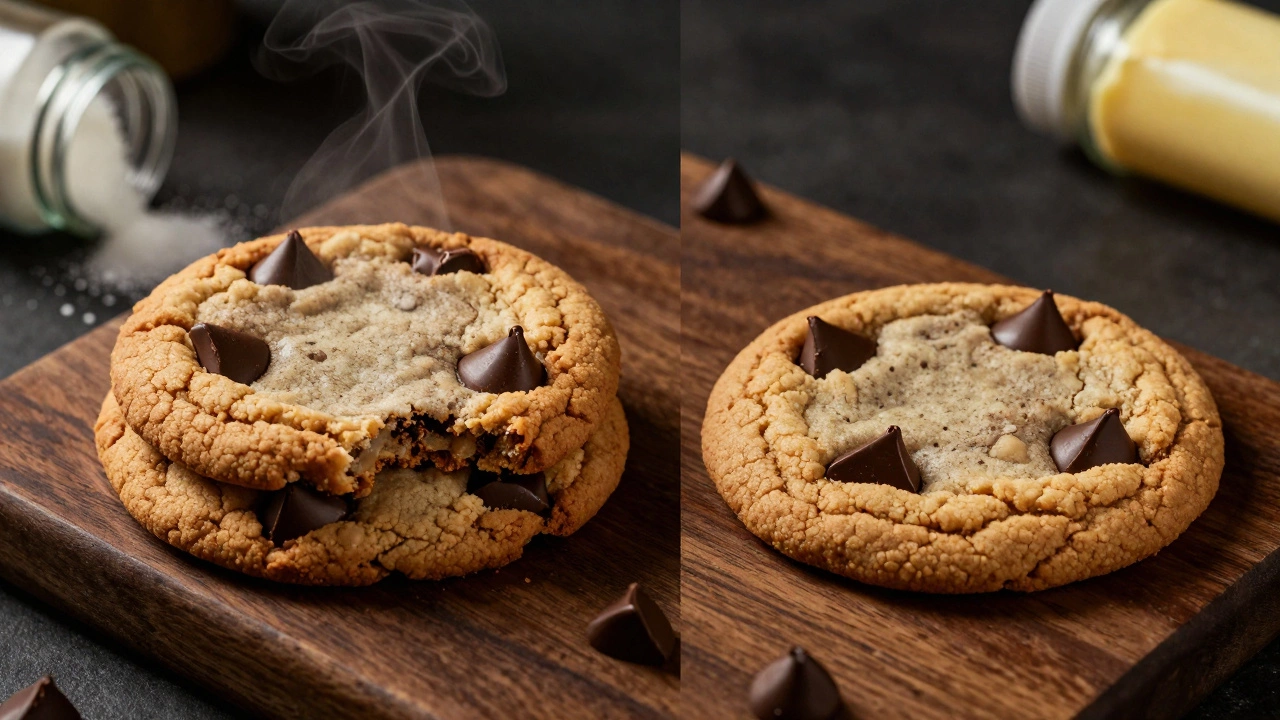
Melted butter doesn’t trap air. It’s liquid. And when you mix it with sugar, you’re not creating structure-you’re just making a wet batter. The result? Cookies that spread like puddles. They bake thin, flat, and crispy all the way through. No chewy center. No lift. Just a crispy, almost cracker-like cookie.Some people actually like this. If you’re after a thin, crunchy, buttery cookie-like a classic French sablé or a Tuscan biscotti-melted butter works great. But if you want the kind of cookie that gives you that first bite of softness before the edges snap? You’ll be disappointed.
Here’s a real-world example: Two batches of chocolate chip cookies. One made with creamed butter. The other with melted butter. Both used the same flour, sugar, eggs, vanilla, and chocolate. The creamed version was 1.5 inches tall, with a chewy interior and a slightly crisp edge. The melted butter version was 0.3 inches thick, with a uniform crunch and almost no rise. The difference isn’t subtle-it’s dramatic.
When Melted Butter Actually Works
There are cookie recipes that call for melted butter on purpose. Brown butter cookies, for instance. Some oatmeal cookies. And traditional Scandinavian butter cookies. These recipes are designed around the liquid fat. They often use less sugar, more flour, or add cornstarch to control spread. They don’t rely on air for texture-they rely on the richness of the butter itself.One popular example is the New York Times’s brown butter chocolate chip cookie. It uses melted butter, but it also uses bread flour (for more gluten), brown sugar (for moisture), and a longer chill time. The recipe compensates for the lack of creaming. You can’t just swap melted butter into a standard recipe and expect the same result.
The Science Behind the Spread
Butter is about 80% fat, 15% water, and 5% milk solids. When you cream it, the fat stays solid and holds air. When you melt it, the water turns to steam-and steam makes cookies spread more. That’s why melted butter cookies often come out thinner: the water evaporates faster, pushing the dough outward.Also, melted butter mixes more fully with the sugar and eggs. That means more gluten development in the flour. Gluten makes things chewy. But too much gluten in a cookie? That’s a problem. You end up with a tough, dense texture instead of a tender one.
Studies from the University of California, Davis Food Science Lab show that cookies made with melted butter have 23% more spread than those made with creamed butter, even when all other variables are held constant. That’s not a small difference-it’s the difference between a cookie and a flat disc.
How to Fix It If You Already Melted the Butter
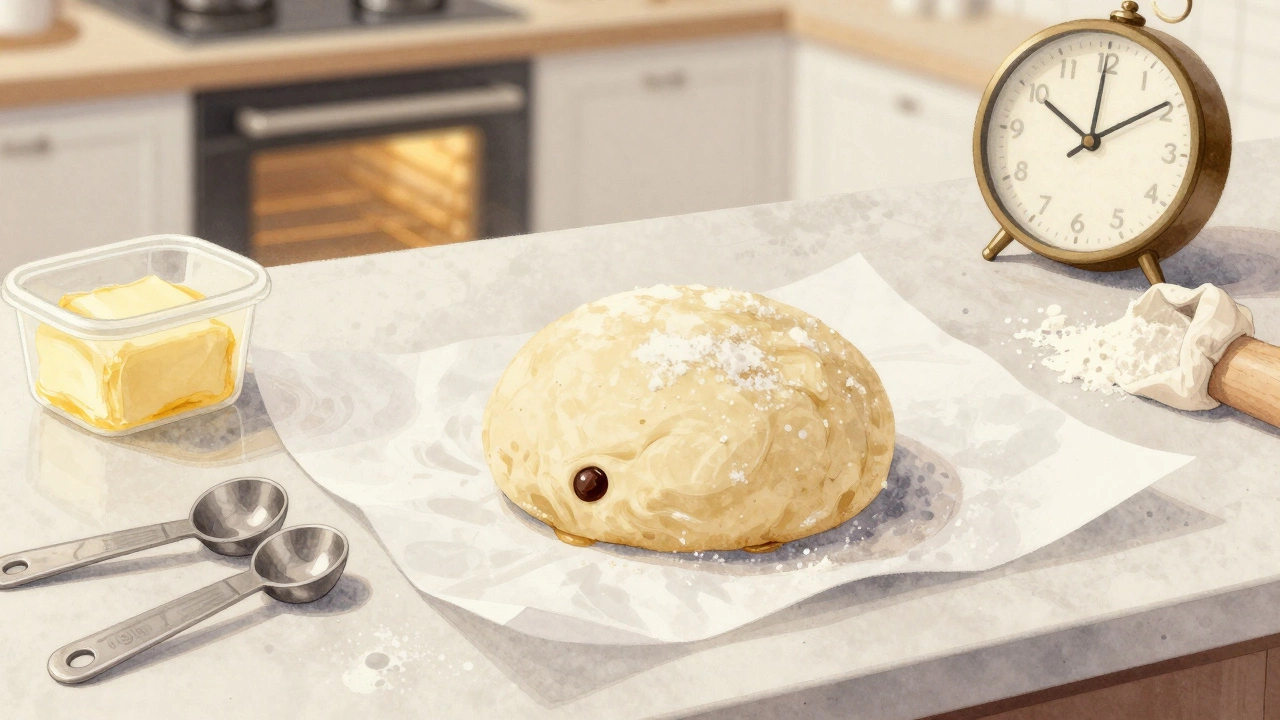
You melted the butter. You’ve already mixed in the sugar. Now you’re panicking. What do you do?Here’s what works: Chill the dough for at least 2 hours-preferably overnight. Cold dough slows down the spread in the oven. The fat solidifies again, giving you back some structure. It won’t be the same as creamed butter, but it’ll be better than a cookie that looks like a pancake.
Also, try adding 1-2 tablespoons of extra flour. That helps absorb some of the extra moisture. Or swap half the white sugar for brown sugar. Brown sugar holds more moisture and adds chewiness, which helps balance out the crispiness.
And don’t skip chilling. Even if you creamed the butter, chilling is still the #1 tip for perfect cookies. But with melted butter? It’s non-negotiable.
What to Do Next Time
If you want the classic cookie texture-soft center, crisp edge, slight puff-stick to creaming. Here’s how to do it right:- Take butter out of the fridge 30-60 minutes before baking. It should be soft enough to press a finger into it easily, but not oily or shiny.
- Use a stand mixer or hand mixer. Don’t try to cream by hand unless you’ve got strong arms and patience.
- Beat the butter alone for 1-2 minutes until smooth and slightly pale.
- Add sugar. Beat for another 3-5 minutes. You should see the mixture lighten in color and increase in volume.
- Scrape the bowl. Beat another 30 seconds.
That’s it. No magic. Just time and technique.
Bottom Line
You can melt butter for cookies. But you’re not saving time-you’re changing the outcome. If you want a thin, crispy, buttery cookie, go for it. If you want the kind of cookie that makes people ask for the recipe? Cream the butter. It’s the one step that makes all the difference.Don’t think of creaming as a chore. Think of it as the foundation. Skip it, and you’re building on sand.
Can I use melted butter in chocolate chip cookies?
Yes, you can use melted butter in chocolate chip cookies, but the texture will change. Cookies made with melted butter will spread more, bake thinner, and turn out crispier all the way through. They won’t have the chewy center or slight puff of cookies made with creamed butter. If you like thin, crunchy cookies, it works. If you want the classic soft-centered cookie, stick to creaming.
Why do some recipes say to melt butter while others say to cream it?
It depends on the texture the recipe is designed for. Creaming butter traps air, which helps cookies rise and stay chewy. Melting butter creates a denser, flatter cookie with more even crispness. Recipes that call for melted butter often include extra flour, brown sugar, or chilling steps to compensate. Always follow the method listed-don’t swap them unless you’re okay with a different result.
Does melted butter make cookies taste better?
Melted butter can add deeper flavor, especially if you brown it first. Browning butter brings out nutty, caramel notes that many people love. But flavor and texture are different. You can get rich flavor from melted butter, but you won’t get the same mouthfeel as a creamed-butter cookie. Taste is personal-but texture is science.
How long should I chill dough made with melted butter?
Chill dough made with melted butter for at least 2 hours, but 24 hours is ideal. Cold dough slows down the spread in the oven, helping cookies hold their shape. It also lets the flour hydrate fully, which improves texture. Don’t skip this step-it’s the only way to rescue a melted-butter batch.
Can I use margarine or oil instead of butter?
Margarine and oil aren’t direct substitutes. Margarine has more water and less fat than butter, which can make cookies greasy or cakey. Oil makes cookies flat and dense, with no structure. Neither will give you the same result as butter, whether creamed or melted. Stick with real butter unless you’re baking for dietary reasons-and even then, adjust the recipe accordingly.