The Science of Fudge: Why It Tastes So Good
Discover the chemistry behind fudge's texture and flavor. Learn how sugar crystals, dairy fats, and temperature control create the perfect melt-in-your-mouth treat.
Read MoreIf you’ve ever pulled a batch of fudge out of the pan only to find it grainy, hard, or more like toffee, you’re not alone. The good news is that most fudge mishaps come from a handful of easy‑to‑spot mistakes, and fixing them is quicker than you think. This page gathers the most practical advice from our top articles so you can start making smooth, melt‑in‑your‑mouth fudge right away.
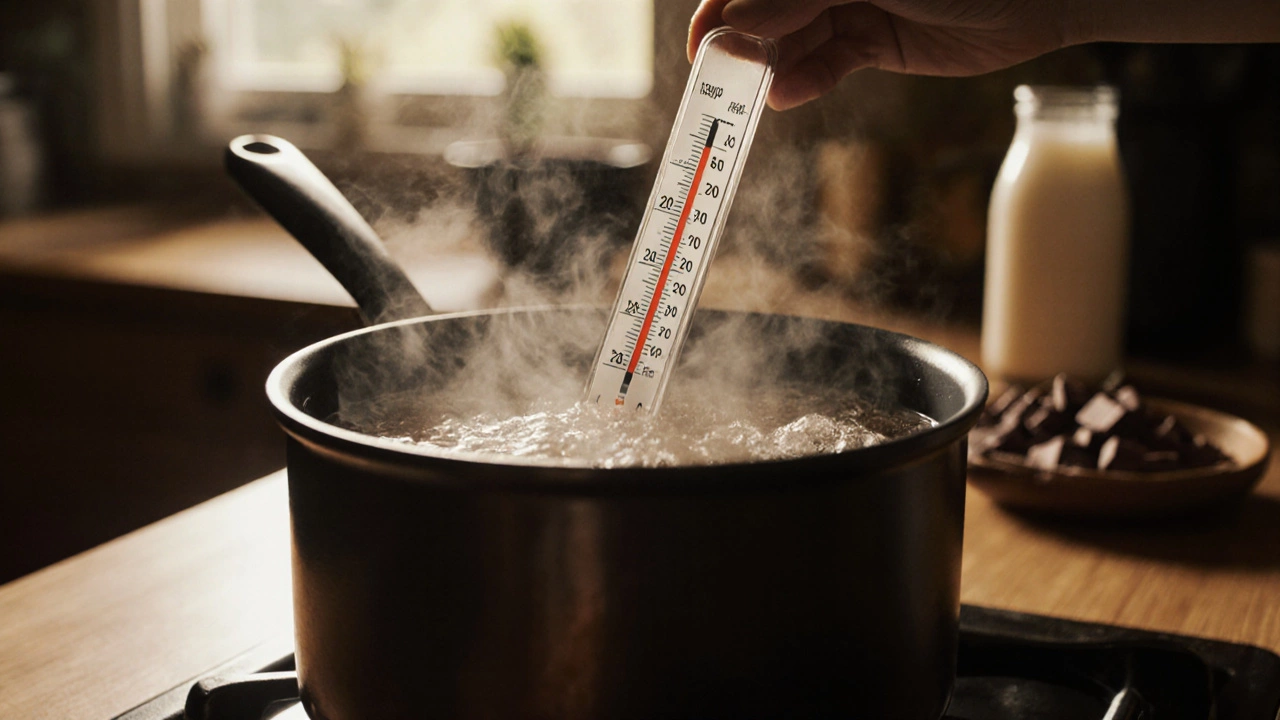
First off, timing matters. Stirring the mixture before it reaches the right temperature breaks the crystal structure and leaves a grainy texture. Let the boil hit the target (usually 234‑236 °F or 112‑113 °C) and then give it a brief stir just before you pour it into the pan. Skipping this step or stirring too early is the biggest reason for that gritty feel.
Second, the type of sugar you use changes the outcome. Granulated white sugar works best for classic chocolate fudge, while brown sugar adds a deeper flavor but can make the fudge denser. If you want a softer bite, add a splash of milk or cream; it slows down crystallization and keeps the fudge silky.
Third, moisture balance is key. Too much butter or too little liquid will make the fudge hard as a rock. Our “Fudge Setting Time” guide explains how room temperature, humidity, and even the pan size affect how long the fudge needs to set. As a rule, let it cool at room temperature for at least two hours before cutting.
All you really need is a heavy‑bottomed saucepan, a candy thermometer, a rubber spatula, and an 8‑inch square pan. The saucepan distributes heat evenly, preventing hot spots that cause burning. If you don’t have a thermometer, you can use the soft‑ball stage test: drop a small amount of the syrup into cold water; if it forms a soft ball that you can roll between your fingers, you’re there.
For ingredients, stick to high‑quality chocolate, butter, and sugar. Adding a pinch of salt enhances the chocolate flavor without making the fudge salty. Want to experiment? Mix in toasted nuts, a dash of vanilla, or a swirl of caramel after you pour the fudge into the pan. Just remember to let the base set a little first; otherwise, the mix‑ins will sink.
One of our readers asked how to fix fudge that turned into toffee without using condensed milk. The trick is to re‑heat the batch, add a bit more butter and cream, and bring it back to the soft‑ball stage. This rescues the texture and gives you a chewy, caramel‑like treat instead of a hard slab.
Now that you know the why and the what, it’s time to pick a recipe. Whether you’re after classic chocolate, maple‑walnut, or a bold peanut butter swirl, the steps stay the same: bring the mixture to the right temperature, avoid early stirring, and let it set undisturbed. Browse our collection of fudge recipes, follow the simple guidelines, and you’ll be serving up smooth, non‑grainy fudge in no time.
Got a fudge question? Drop a comment on any of our articles – we love hearing what flavors you’re trying and what challenges you face. Happy baking!
Discover the chemistry behind fudge's texture and flavor. Learn how sugar crystals, dairy fats, and temperature control create the perfect melt-in-your-mouth treat.
Read MoreAvoid common pitfalls like wrong temperatures and over-stirring to make perfect creamy fudge. Learn the science of sugar crystallization and storage tips.
Read MoreFudge and chocolate fudge aren't the same thing. One is a base candy; the other is a flavor variation. Learn how they differ in ingredients, texture, and history-and why it matters when you're making or buying fudge.
Read MoreThe secret to non-grainy fudge isn't a secret at all - it's about controlling sugar crystallization. Heat to the right temperature, don't stir until it cools, and use a candy thermometer. Simple steps, perfect results.
Read MoreFudge not setting? It's not the condensed milk-it's temperature, stirring too soon, or humidity. Learn the real reasons and how to fix it for perfect fudge every time.
Read MoreChill fudge in the fridge, not the freezer, for the perfect creamy texture. Learn why timing, temperature, and technique matter more than speed when setting homemade fudge.
Read MoreCream of tartar prevents fudge from becoming grainy by stopping sugar crystals from forming. Learn how this simple ingredient transforms texture and why it's essential for smooth, melt-in-your-mouth fudge every time.
Read MoreDiscover the science behind perfect fudge-temperature, stirring, and ingredients that make the difference between grainy and silky smooth. No fancy chocolate needed.
Read MoreDon’t throw away failed fudge. Learn 7 easy ways to rescue soft, hard, grainy, or oily fudge and turn it into chocolate sauce, bark, or dessert toppings.
Read MoreShould homemade fudge be refrigerated? The answer isn't yes or no-it's about texture, shelf life, and how you plan to enjoy it. Learn the best way to store fudge without ruining its creamy taste.
Read MoreFudge is tricky because it's not just a recipe-it's a science. Learn why temperature, stirring, and chocolate type make or break your batch, and how to fix common mistakes for perfect results every time.
Read MoreEvaporated milk improves fudge texture by reducing water content, controlling sugar crystallization, and delivering a smooth, creamy finish. Learn why it's essential in professional fudge recipes.
Read More