Fudge Doneness Calculator
Target: Soft-Ball Stage
Enter your details to find the exact temperature you need to hit. Don't trust the clock—trust the temp!
--°F
(-- °C)
-- mins
Soft, pliable ball
(Flattens slightly)
You’re standing over a pot of bubbling sugar, milk, and butter. The timer is ticking, but you know that clock time is a liar when it comes to making fudge. If you pull it off the heat too early, you get a sticky puddle. Too late, and you have a rock-hard brick that requires a chisel to serve. The secret isn't just watching the clock; it’s hitting the exact moment the sugar syrup reaches the soft-ball stage.
Most home cooks ask, "How long should I boil this?" But the real answer depends on your stove’s power, your pan’s width, and even the humidity in your kitchen. While general recipes might say "10 minutes," that’s often wrong by a minute or two-enough to ruin a batch. This guide breaks down exactly what the soft-ball stage is, why timing varies, and how to nail it every single time without guessing.
The Quick Answer: Time vs. Temperature
If you need a ballpark figure right now, here it is: most standard fudge recipes require boiling the mixture for 4 to 7 minutes after it reaches a full rolling boil. However, relying solely on time is risky. The gold standard for determining doneness is temperature. You are aiming for 235°F to 240°F (112°C to 116°C), which defines the soft-ball stage.
Why the discrepancy? Because "boiling" starts at different times for everyone. A thin pan boils faster than a thick one. A gas flame heats differently than an induction cooktop. If you stick strictly to the recipe's minute count without checking the temp or doing the ice-water test, you’re gambling with your dessert.
| Stage Name | Temperature Range | Time from Boil (Approx.) | Resulting Texture |
|---|---|---|---|
| Thread | 230°F - 235°F (110°C - 112°C) | 2-4 Minutes | Sticky, runny, won't set properly |
| Soft-Ball (Ideal) | 235°F - 240°F (112°C - 116°C) | 4-7 Minutes | Creamy, smooth, holds shape when cut |
| Firm-Ball | 245°F - 250°F (118°C - 121°C) | 8-10 Minutes | Chewy, dense, may be tough |
| Hard-Ball | 250°F - 265°F (121°C - 129°C) | 12+ Minutes | Rock hard, difficult to chew |
What Exactly Is the Soft-Ball Stage?
The soft-ball stage isn't just a random number on a thermometer. It’s a specific point in the cooking process where the concentration of sugar in the water solution changes enough to alter its physical properties. When you drop a small amount of the hot syrup into cold water, it forms a soft, pliable ball that flattens out slightly when you pick it up between your fingers. It doesn’t dissolve immediately, nor does it stay rigid.
This texture is crucial for fudge. If the syrup hasn't reached this stage, there isn't enough crystallization potential, resulting in a gooey mess. If you go past it into the firm-ball stage, the crystals form too tightly, creating a grainy, hard block that lacks that signature melt-in-your-mouth quality. The goal is controlled crystallization, and the soft-ball stage provides the perfect balance of moisture and sugar density to achieve it.
Why Clock Time Is Unreliable for Fudge
Have you ever followed a recipe perfectly, only to end up with rubbery fudge? It’s likely because you trusted the timer. Several variables dictate how fast your syrup concentrates:
- Pan Surface Area: A wide, shallow pan allows more steam to escape quickly, speeding up evaporation. A tall, narrow pot traps steam, slowing the process down.
- Heat Source Intensity: Not all "medium-high" settings are equal. An old electric coil burner behaves differently than a modern high-output gas range.
- Ambient Humidity: In humid climates like Melbourne in summer, the air is already saturated with moisture. This slows down evaporation, meaning your syrup takes longer to reach the target temperature.
- Batch Size: Doubling a recipe doesn't double the boiling time. Larger volumes hold heat differently and take significantly longer to concentrate due to thermal mass.
Because of these factors, a recipe written by someone in a dry, high-altitude location might fail miserably in a low-lying coastal city. Always treat the suggested time as a rough estimate, not a law.
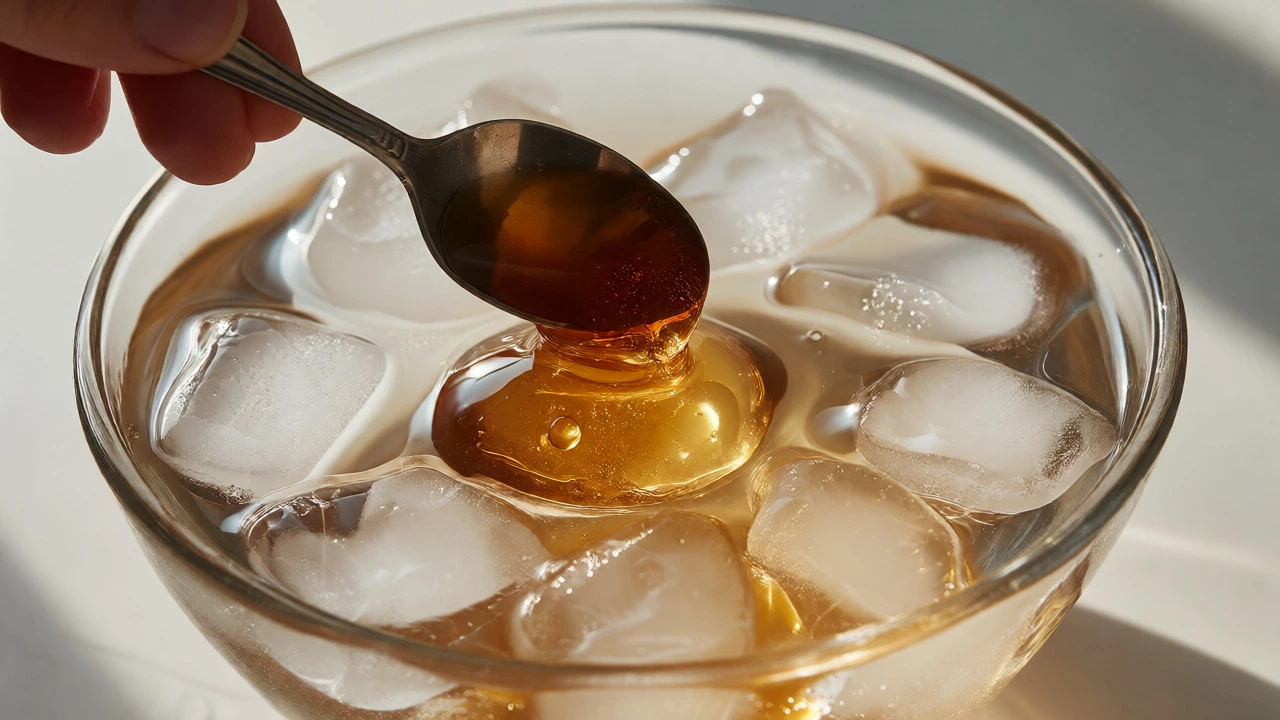
The Ice Water Test: How to Check Without a Thermometer
Don’t own a candy thermometer? No problem. Professional confectioners used the ice water test long before digital probes existed. Here’s how to do it correctly:
- Prepare a bowl of ice-cold water next to your stove before you start cooking.
- When the timer suggests you’re close (around the 4-minute mark), drop a teaspoon of the boiling syrup into the water.
- Wait ten seconds for it to cool.
- Scoop the cooled syrup out with your fingers.
- Roll it into a ball. Does it feel soft and squishy? If it flattens slightly under pressure but holds its shape, you’ve hit the soft-ball stage.
If it dissolves instantly, keep boiling. If it feels hard and snaps, you’ve gone too far. Note: Be extremely careful. The syrup is hotter than boiling water (over 235°F) and causes severe burns instantly. Use a spoon to retrieve the sample if you aren't confident using your fingers.
Troubleshooting: What If You Missed the Mark?
Mistakes happen. Here is how to salvage your batch based on where you landed:
Undercooked (Below 235°F): Your fudge will be sticky and may never set firmly. You can re-cook it. Put the mixture back on low heat and bring it back to a gentle simmer. Watch it closely-it will reach the correct temperature much faster the second time around because some moisture has already evaporated.
Overcooked (Above 240°F): This is trickier. Overcooked fudge becomes grainy and hard. You can try adding a tablespoon of warm cream or milk back into the pot and gently reheating it while stirring constantly. This reintroduces moisture, potentially softening the texture. If it’s still too hard, consider chopping it up and using it as a topping for ice cream or blending it into a milkshake rather than serving it as traditional squares.
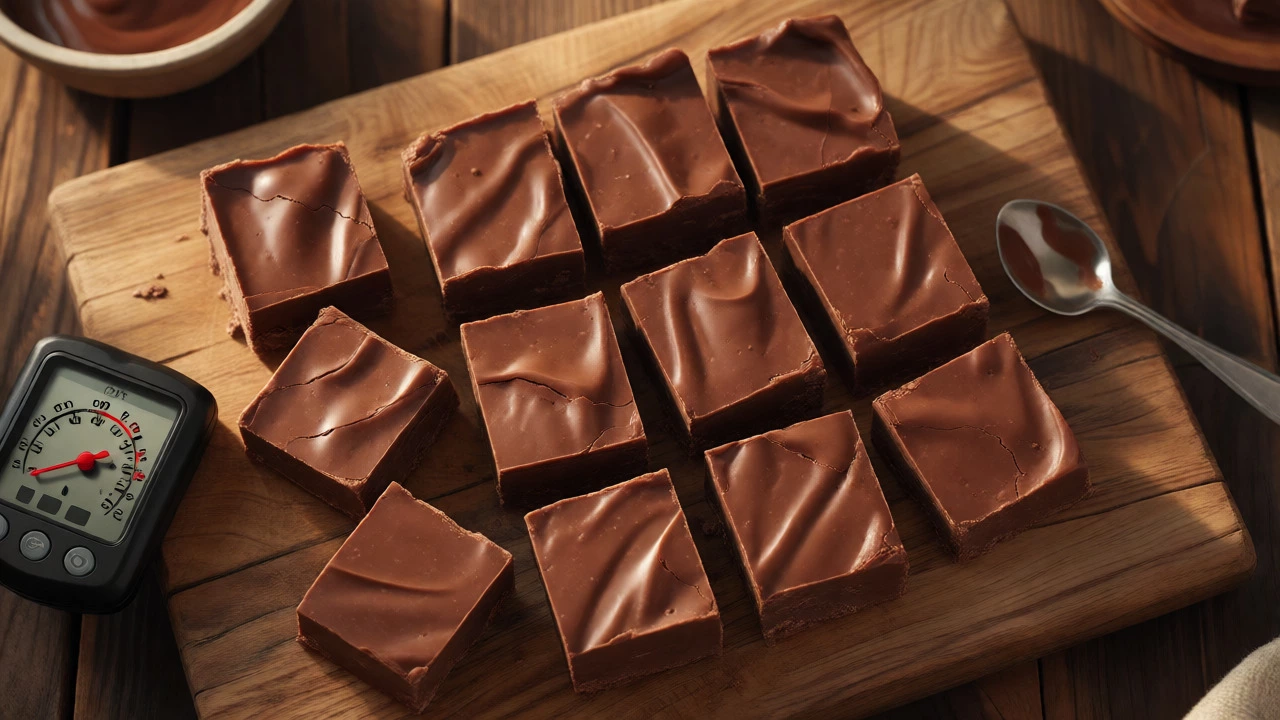
Pro Tips for Perfect Fudge Every Time
To ensure you hit that sweet spot consistently, follow these rules:
- Do Not Stir After Boiling Starts: Once the mixture hits a full rolling boil, stop stirring. Agitating the syrup encourages premature crystallization on the sides of the pan, which can ruin the smooth texture. Instead, swirl the pan gently if needed.
- Brush Down the Sides: At the very beginning, use a wet pastry brush to wash down any sugar crystals clinging to the sides of the pot. This prevents them from falling into the syrup and causing grittiness.
- Calibrate Your Thermometer: Candy thermometers can drift. Check yours by placing it in boiling water (which should read 212°F/100°C at sea level). If it reads differently, adjust your target temperature accordingly.
- Beat It Properly: Reaching the soft-ball stage is only half the battle. Once you remove it from the heat, let it cool undisturbed to about 110°F (43°C) before beating it vigorously. This step creates the creamy micro-crystals that give fudge its smooth mouthfeel. Beating too early makes it grainy; beating too late makes it stiff.
Frequently Asked Questions
Can I make fudge without a candy thermometer?
Yes, absolutely. The ice water test is a reliable alternative. Drop a small amount of boiling syrup into a bowl of ice water. If it forms a soft, flexible ball that flattens slightly when pressed, it has reached the soft-ball stage. Just be cautious of burns when handling the hot syrup.
Why did my fudge turn out grainy?
Graininess usually results from large sugar crystals forming instead of tiny ones. This happens if you stirred the mixture while it was boiling, if sugar crystals fell from the side of the pan into the syrup, or if you beat the fudge too aggressively while it was still too hot. Letting it cool to 110°F before beating helps prevent this.
Is the soft-ball stage the same for chocolate and vanilla fudge?
Generally, yes. Both rely on the same sugar syrup base reaching 235°F-240°F. However, chocolate contains cocoa solids and fats that can slightly alter the perceived texture. Some bakers prefer pulling chocolate fudge at the lower end (235°F) to ensure it stays softer, while vanilla fudge can handle the higher end (240°F) better without becoming too hard.
How does altitude affect boiling fudge?
Water boils at a lower temperature at higher altitudes. For every 500 feet above sea level, water boils about 1°F lower. Therefore, you should reduce your target candy temperature by 2°F for every 1,000 feet of elevation. If you live in Denver, for example, aim for 233°F instead of 235°F for the soft-ball stage.
Can I save fudge that didn't set?
Yes. Return the unset fudge to the saucepan with 1-2 tablespoons of milk or cream. Heat it gently until it dissolves, then bring it back to a boil and cook it again until it reaches the soft-ball stage. This adds the necessary moisture and heat to restart the proper crystallization process.