Fudgy Brownie Moisture Calculator
Recipe Inputs
Moisture Analysis
- Adjust inputs to optimize fudginess.
There is nothing worse than biting into a brownie expecting that dense, gooey center and getting a crumbly, cardboard-like disappointment instead. You followed the recipe exactly, you used good chocolate, but somehow the result was dry. It happens to the best of us. But here is the secret: dry brownies are almost always a result of technique errors or ingredient misunderstandings, not bad luck.
Making fudgy brownies is a specific type of baked good characterized by a high fat-to-flour ratio and minimal leavening agents requires precision. Unlike cakes, which rely on air and structure, brownies rely on moisture retention and fat content. If you want to know how to keep your treats soft and chewy long after they come out of the oven, you need to understand the science behind the batter.
The Fat Ratio Is Everything
The single biggest factor in brownie texture is the balance between fat and flour. Most people assume that more butter equals better flavor, which is true, but it also affects moisture. Butter contains about 15-20% water. When that water evaporates during baking, it can leave the crumb drier if not balanced correctly.
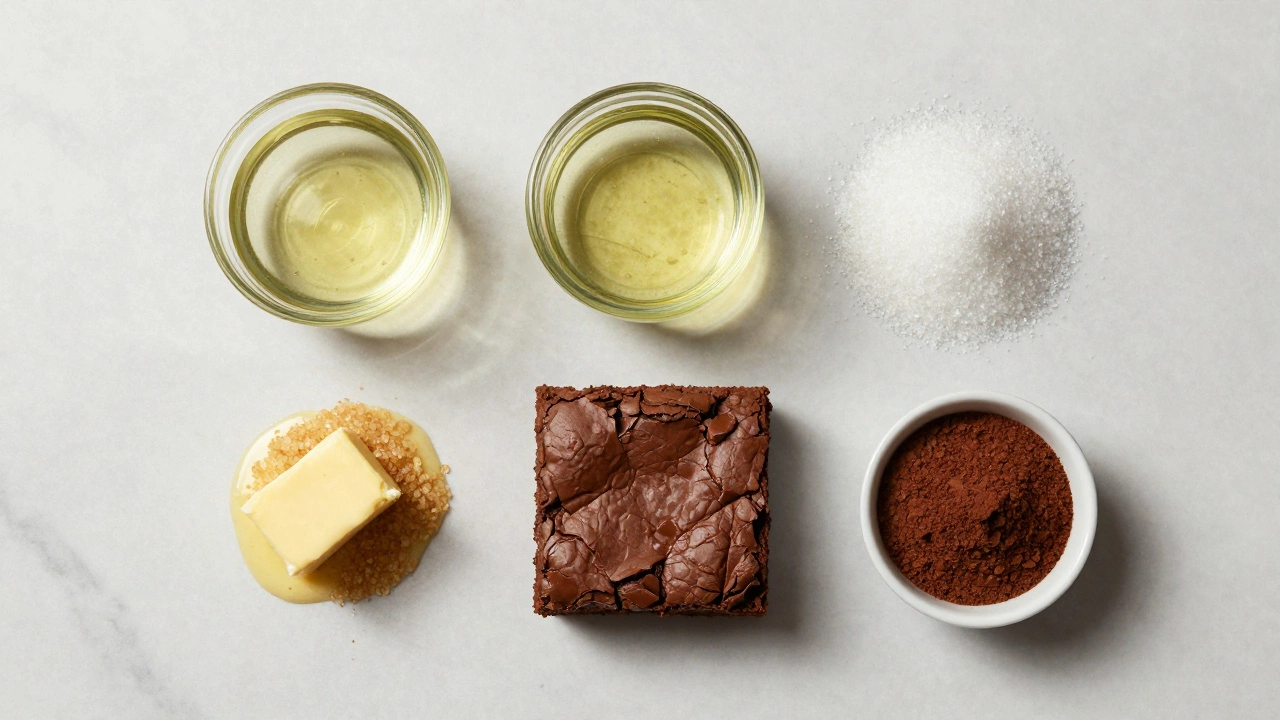
To combat this, many professional bakers recommend using a combination of butter and oil. Butter provides the rich, nutty flavor profile that defines a classic brownie, while vegetable oil or melted coconut oil stays liquid at room temperature. This means the brownie remains moist even when it cools down. A common rule of thumb is to replace half of the butter with oil. For example, if a recipe calls for one cup of butter, use half a cup of melted butter and half a cup of neutral oil like canola or grapeseed.
| Fat Type | Flavor Profile | Moisture Retention | Best Use Case |
|---|---|---|---|
| Butter | Rich, Nutty | Low (solidifies when cool) | Traditional recipes, strong flavor focus |
| Vegetable Oil | Neutral | High (stays liquid) | Maximum fudginess, extended shelf life |
| Cocoa Powder + Butter | Intense Chocolate | Medium | Darker color, deeper cocoa taste |
Don't Overmix the Batter
It might seem counterintuitive, but mixing too much is a primary cause of tough, dry brownies. When you mix flour into wet ingredients, you activate gluten. Gluten is the protein network that gives bread its chewiness. In a brownie, you want very little gluten development. Too much gluten makes the texture cakey and rubbery rather than tender and fudgy.
Here is how to fix your mixing technique:
- Melt your butter and sugar together first. This helps dissolve the sugar crystals, which contributes to a smoother texture.
- Add eggs and vanilla extract next. Mix just until combined.
- Sift your dry ingredients (flour, cocoa powder, salt) together separately.
- Fold the dry ingredients into the wet mixture using a spatula. Stop as soon as you no longer see streaks of white flour. It is okay if the batter looks slightly lumpy.
If you use an electric mixer for the final stage, you are likely overworking the batter. Hand-mixing gives you better control and prevents accidental toughness.
The Sugar Science: Why You Need More Than You Think
Sugar is not just for sweetness; it is a humectant. This means it attracts and holds onto water molecules. In baking, sugar competes with flour for water. If you reduce the sugar in a brownie recipe significantly, you are removing the agent that keeps the crumb moist. The result? A dry, bland brick.
Additionally, the type of sugar matters. White granulated sugar creates a crispier edge, while brown sugar adds molasses, which contains more moisture and acidity. Using a mix of both-say, 3 parts white sugar to 1 part brown sugar-creates a complex texture with a chewy interior and a slight crackle on top. Do not cut the sugar amount unless you are prepared for a dramatic change in texture.
Baking Time and Temperature Precision
Overbaking is the number one enemy of moist brownies. Because brownies are dense, they continue to cook from residual heat even after you pull them out of the oven. If you wait until a toothpick comes out completely clean, you have already gone too far. By then, all the internal moisture has evaporated.
Instead, look for these signs of doneness:
- The Toothpick Test: Insert a toothpick into the center. It should come out with a few moist crumbs attached, not wet batter, but definitely not clean.
- The Jiggle Test: Gently shake the pan. The edges should be set and pulling away from the sides, but the center should still jiggle slightly like gelatin.
- Internal Temperature: If you have a digital thermometer, aim for an internal temperature of 160°F to 170°F (71°C to 77°C). Anything above 180°F (82°C) risks drying them out.
Oven thermometers are notoriously inaccurate. An oven set to 350°F (175°C) might actually be running at 375°F (190°C). Invest in a cheap oven thermometer to ensure your settings are correct. If your oven runs hot, lower the temperature by 25 degrees and extend the baking time slightly. This slower bake allows the center to set without burning the edges.
Storage Secrets for Long-Term Moisture
Even perfectly baked brownies will dry out if stored incorrectly. Air is the enemy. Once brownies cool completely to room temperature, they need to be sealed tightly.
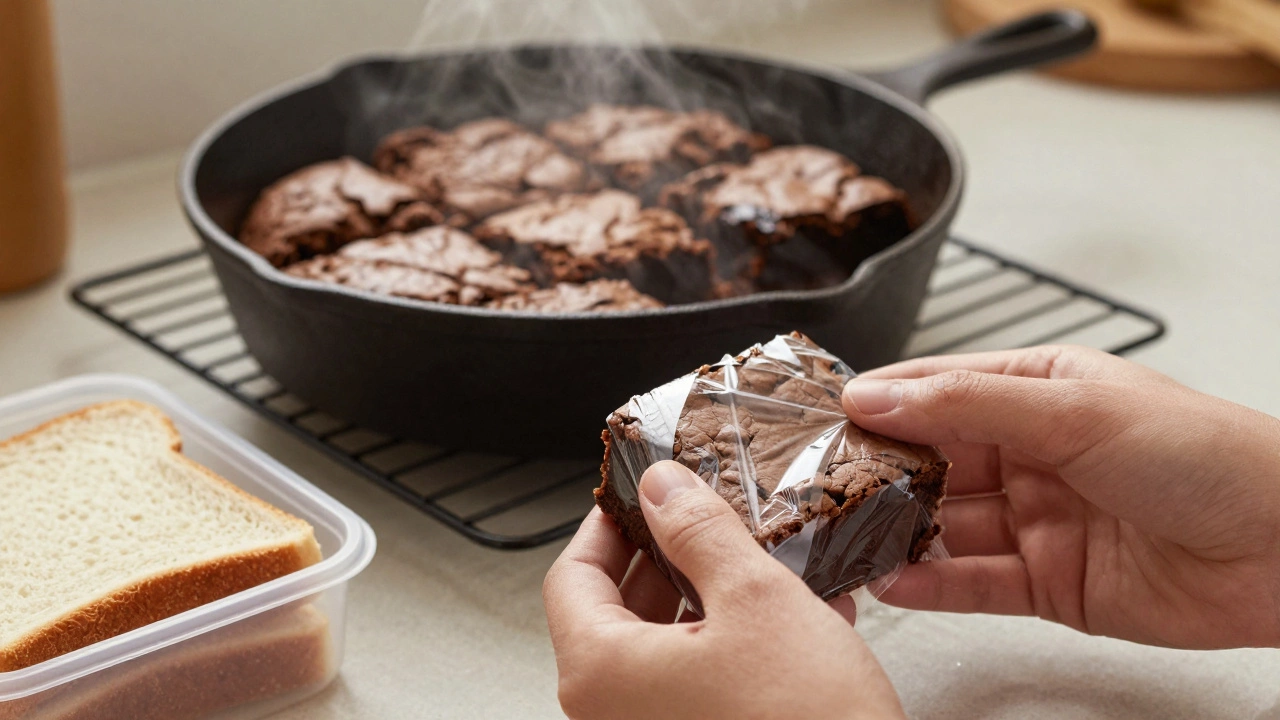
Plastic wrap is your best friend here. Wrap individual brownies or the whole batch tightly in plastic wrap before placing them in an airtight container. This traps the natural steam released by the cooling brownies, keeping them soft. For extra insurance, place a slice of white bread in the container with the brownies. The brownies will absorb moisture from the bread, staying fresh for up to a week. Yes, it sounds weird, but it works because bread is essentially a sponge for humidity.
If you need to store them for longer, freeze them. Brownies freeze exceptionally well. Wrap them individually in plastic wrap, then place them in a freezer bag. Thaw them at room temperature for an hour, and they will taste just as fresh as the day they were baked.
Ingredient Swaps That Save Texture
Sometimes you need to adjust ingredients based on what you have or dietary needs. However, some swaps naturally lead to dryness. Here is how to navigate them:
- Egg Replacements: Eggs provide structure and fat. If you use flax eggs or applesauce, add an extra tablespoon of oil or yogurt to compensate for the lost fat.
- Flour Types: All-purpose flour is standard. Cake flour has less protein and will make a softer brownie, but it can become too delicate. Bread flour has too much protein and will make them tough. Stick to all-purpose or measure carefully if using alternatives.
- Cocoa vs. Melted Chocolate: Recipes with melted chocolate bars tend to be moister because the chocolate itself contains cocoa butter (fat). Cocoa powder absorbs liquid. If swapping cocoa for melted chocolate, reduce the added fat slightly and increase the liquid marginally.
Troubleshooting Common Issues
If your brownies turned out dry despite following these tips, consider these culprits:
Altitude: If you live in a high-altitude area (above 3,000 feet), air pressure is lower, causing liquids to evaporate faster. You may need to increase the baking time slightly or add an extra egg yolk for richness.
Pan Size: Using a larger pan than the recipe specifies spreads the batter thinner. Thin brownies bake faster and lose moisture quicker. Always use the pan size recommended in the recipe. If you must adapt, expect a shorter baking time.
Old Ingredients: Old baking powder or soda loses potency, but old flour can become stale and absorbent. Store flour in an airtight container in a cool, dark place. If your flour smells musty, toss it.
Why do my brownies turn out cakey instead of fudgy?
Cakey brownies usually result from overmixing the batter, which develops too much gluten, or adding too much flour. Another common mistake is whipping air into the eggs and sugar before adding the dry ingredients. For fudgy brownies, mix gently and avoid aerating the batter excessively.
Can I use milk to make brownies moister?
Generally, no. Traditional fudgy brownie recipes rely on fat (butter/oil) and eggs for moisture, not dairy liquids like milk. Adding milk can dilute the chocolate flavor and alter the chemical balance, potentially making the texture gummy or dry depending on the ratio. Stick to the fat-based moisture sources.
How long should I let brownies cool before cutting?
You should let brownies cool completely in the pan, which takes about 1 to 2 hours. Cutting them while warm causes them to fall apart and release their internal steam, leading to a drier texture. Patience ensures clean cuts and optimal moisture retention.
Does the type of chocolate matter for moisture?
Yes. Dark chocolate with a higher cocoa butter content tends to produce richer, moister brownies than semi-sweet chips, which often contain stabilizers to keep their shape. Melting high-quality chocolate bars rather than using chips can improve the overall texture and melt-in-your-mouth quality.
Why are the edges of my brownies hard and dry?
Hard edges usually indicate that the oven temperature was too high or the baking time was too long. The outer layer cooks faster than the center. To fix this, try lining your pan with parchment paper to create a barrier, and check for doneness a few minutes earlier than the recipe suggests.