Fudge Sweetness Balancer
Adjust your recipe parameters below to see how they impact the perceived sweetness and texture of your fudge.
Perceived Sweetness Score
Texture: StandardRecommended Adjustments
You bite into a piece of homemade fudge, and your jaw tightens. It’s not that the chocolate is bad; it’s that the sweetness hits you like a wall, masking everything else. We’ve all been there. You followed the recipe exactly-two cups of sugar, one cup of condensed milk, a block of white chocolate-and yet, it tastes like pure sucrose with a hint of cocoa. The problem isn’t usually the quality of your ingredients; it’s the chemistry of how they interact.
Most traditional fudge is a confectionery made by boiling sugar, butter, and milk until it reaches a specific temperature, then beating it until creamy. Because it relies heavily on crystallized sugar for its structure, removing sugar entirely can ruin the texture. But "sugary" doesn't mean you have to suffer through cloying bites. You can tweak the ratio, add acidity, or introduce bitter elements to cut through the sweetness without turning your treat into a rock-hard candy bar.
The Sugar-to-Fat Ratio Matters More Than You Think
Here is the hard truth: if you just dump less sugar into the pot without adjusting anything else, you will end up with a sticky mess that never sets. Sugar isn’t just for taste in fudge; it’s the structural backbone. When sugar boils, it forms crystals. Those crystals give fudge its grainy-yet-smooth mouthfeel. If you reduce the sugar too aggressively, you lose that structure.
Instead of slashing the sugar amount by half, try swapping some of the sweet bulk for fat. Fat coats the tongue and dulls the perception of sweetness. In professional pastry kitchens, we often see this in ganache-based fudges. A standard American fudge might use a 1:1 ratio of sugar to dairy/fat. Try shifting that to 1:1.5. Increase the butter or heavy cream slightly while keeping the sugar constant. This won’t make it "less sugary" in terms of calories, but it makes it taste richer and less sharp. The extra fat carries the chocolate flavor better, so you actually need less sugar to feel satisfied.
| Adjustment | Effect on Texture | Effect on Sweetness | Risk Level |
|---|---|---|---|
| Reduce Sugar by 25% | Softer, may not set firmly | Significantly Lower | High (Structural failure) |
| Increase Butter/Cream | Creamier, smoother | Muted/Perceived Lower | Low |
| Add Sea Salt | No change | Balanced/Enhanced | Very Low |
| Use Dark Chocolate | Slightly firmer | Lower due to bitterness | Medium (May seize if overheated) |
Salt Is Your Secret Weapon Against Cloying Flavors
If you take away only one tip from this article, let it be this: add more salt than you think you need. Not table salt, which can taste metallic, but flaky sea salt or kosher salt. Salt doesn’t make food salty when used correctly; it suppresses the bitterness and enhances the other flavors, including sweetness. Wait, didn’t I say it suppresses bitterness? Yes, but in high-sugar environments, salt actually interrupts the signal your brain receives from sweet receptors. It creates contrast.
A pinch of salt in the mixture before cooking helps, but the real magic happens at the end. Sprinkle flaky sea salt on top right after you pour the fudge into the pan. As it cools, those little crystals remain distinct. When you bite down, you get a burst of salinity that cuts through the dense sugar matrix. It’s the same reason salted caramel exists. Without that salt, caramel is just burnt sugar. With it, it’s complex. Try adding ½ teaspoon of fine sea salt into the batter and finishing with a generous sprinkle of Maldon-style flakes on top.
Acidity Cuts Through the Heaviness
We rarely associate acid with fudge, but it works wonders. Lemon juice, vinegar, or even fruit purées can brighten a heavy chocolate base. Acid balances pH levels and provides a tang that distracts the palate from sheer sweetness. For example, a splash of lemon juice in vanilla fudge prevents it from tasting flat. In chocolate fudge, a teaspoon of espresso powder or a dash of balsamic vinegar can deepen the flavor profile without adding sugar.
Consider using unsweetened cocoa powder instead of melted chocolate chips. Cocoa powder has no added sugar and brings intense, bitter notes. If your recipe calls for semi-sweet chips, swap half of them for unsweetened cocoa. You’ll need to adjust the liquid slightly because cocoa absorbs moisture, but the result is a darker, more sophisticated fudge that doesn’t scream "candy store." Another option is using sour cream or yogurt in place of some of the condensed milk. These dairy products contain lactic acid, which tenderizes the crumb and adds a subtle tang that counteracts the syrupy sweetness.
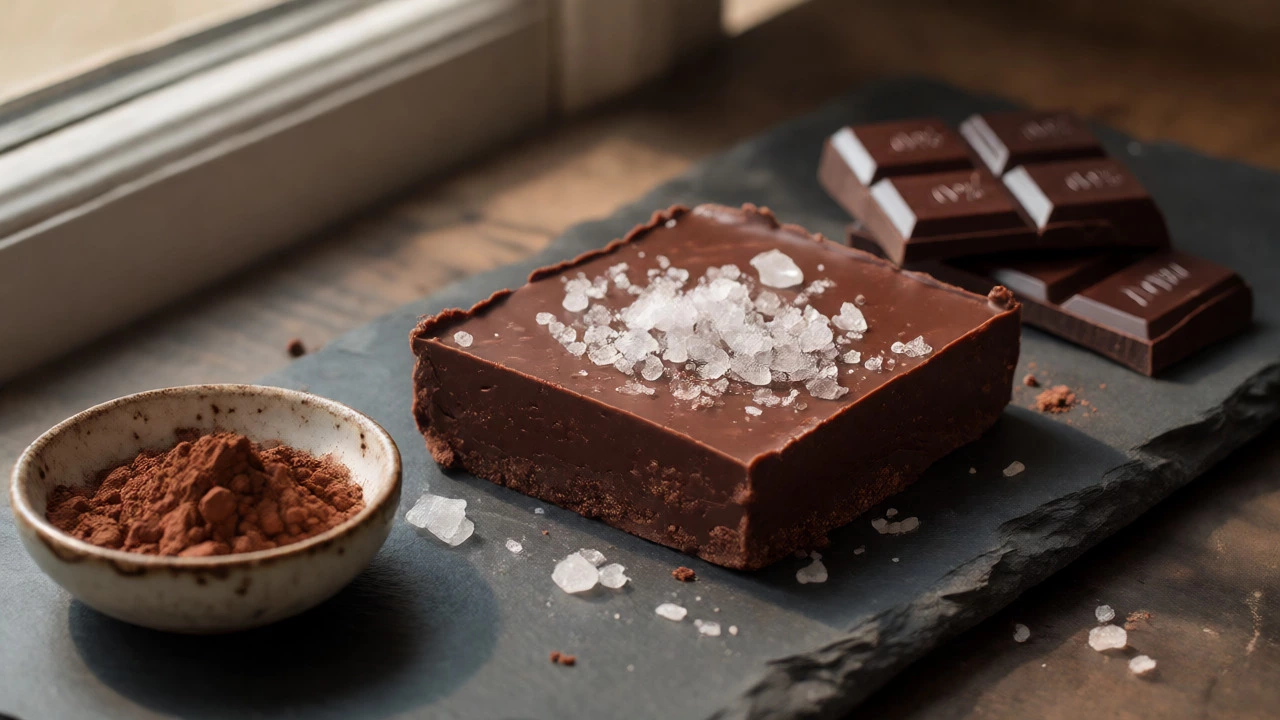
Choose Bitter Over Sweet Ingredients
The type of chocolate you use dictates the baseline sweetness. Most beginner recipes call for semi-sweet or milk chocolate chips. Milk chocolate is already loaded with sugar and milk solids. If you want less sugary fudge, start with dark chocolate. Aim for 60% to 70% cacao content. At this level, the natural bitterness of the cacao beans balances the added sugars in the condensed milk or marshmallow fluff.
Don’t be afraid of 85% dark chocolate either, though it requires careful melting to avoid seizing. Mixing different percentages gives you control. Try a blend: 50% semi-sweet for body, 30% dark for depth, and 20% unsweetened for punch. This layering technique ensures the final product has complexity rather than a single note of sugar. Additionally, look for high-quality couverture chocolate. It melts smoother and has a cleaner flavor profile compared to compound coatings, which often rely on vegetable fats and artificial vanillin that can taste artificially sweet.
Texture Changes How We Perceive Sweetness
Believe it or not, the way fudge melts in your mouth changes how sweet it tastes. Smooth, dense fudge releases sugar quickly, hitting your taste buds all at once. Grainy or aerated fudge releases it slower. If you overbeat your fudge, you incorporate air bubbles. While some people prefer smooth fudge, a slightly aerated texture can make the sweetness feel lighter. However, don’t confuse this with undercooking. Undercooked fudge is sticky and feels sweeter because it clings to the teeth, prolonging the contact time with your tongue.
Temperature plays a huge role here. Serve fudge at room temperature, not straight from the fridge. Cold numbs the taste buds, making you eat more to get the same flavor satisfaction, which leads to consuming more sugar overall. Room-temperature fudge allows the aromas to release, meaning you enjoy the chocolate aroma as much as the taste. Aroma accounts for up to 80% of what we perceive as flavor. If it smells rich and complex, your brain perceives it as satisfying even if the actual sugar content is lower.

Alternative Sweeteners and Substitutions
If you are truly trying to reduce sugar intake, you can experiment with alternatives, but proceed with caution. Erythritol and allulose behave differently than sucrose. Allulose browns faster and doesn’t crystallize the same way, which can lead to a softer set. Monk fruit blends can work if they include erythritol, but they often leave a cooling aftertaste that clashes with warm spices like cinnamon.
A safer bet for maintaining texture while lowering perceived sweetness is using maple syrup or honey in small amounts. These contain fructose, which is sweeter than sucrose, so you can use less volume. However, they add moisture, so you must cook the mixture longer to evaporate the excess water. This risks burning the milk solids. If you go this route, replace only 25% of the sugar with a liquid sweetener and monitor the temperature closely. Do not attempt to replace all the sugar with liquid sweeteners unless you are using a specialized pectin-based recipe designed for jams, not traditional fudge.
Troubleshooting Common Issues
If your fudge still tastes too sweet, check your thermometer. Many home cooks guess the temperature. If you pull the pot off the heat at 234°F (soft ball stage) instead of 238°F (firm ball), the fudge retains more moisture. Higher moisture content can sometimes make the sugar taste sharper and more immediate. Conversely, if you overcook it past 245°F, it becomes hard and brittle, concentrating the flavor. Stick to the 238°F-240°F range for optimal balance.
Also, consider your portion size. Traditional fudge squares are often two inches thick. That’s a lot of sugar in one bite. Cut smaller pieces-one inch square-and pair them with strong coffee or tea. The tannins in black coffee bind with sugar molecules, reducing their impact on your palate. This pairing trick effectively lowers the perceived sweetness without changing the recipe.
Why does my fudge taste gritty?
Grittiness usually means the sugar crystals formed were too large. This happens if you stir the mixture while it is boiling (which encourages premature crystallization) or if you cool it too slowly. To fix it, ensure you do not stir after the mixture comes to a boil until it has cooled to about 110°F (43°C). Then beat it vigorously to break down any large crystals and create a smooth texture.
Can I use stevia instead of sugar in fudge?
You can, but it won't set properly on its own. Stevia lacks the bulk and crystallization properties of sugar. If you use stevia, you need a bulking agent like xylitol or erythritol, or you must add a stabilizer like gelatin or agar-agar. Pure stevia extracts will result in a runny, non-setting mixture because there is no sugar to form the crystal lattice structure.
Does adding salt make fudge taste salty?
No, if used correctly. A quarter to half a teaspoon of salt per batch enhances the chocolate flavor and balances the sweetness without making the fudge taste savory. Only if you use excessive amounts or coarse chunks that aren't distributed evenly will it taste salty. Start with a small amount and adjust to taste.
How do I make vegan fudge less sweet?
Vegan fudge often uses coconut milk and agave or maple syrup, which can be very sweet. To reduce this, use full-fat canned coconut cream instead of milk for richness, and switch to dark chocolate (70%+) that is certified vegan. Add a tablespoon of almond butter or peanut butter to introduce nutty, bitter notes that cut through the syrupy sweetness of plant-based sweeteners.
Why is my fudge soft and sticky?
Soft, sticky fudge usually indicates undercooking. The mixture did not reach the firm ball stage (238°F/114°C), meaning too much water remains. Humidity also affects setting; on humid days, you may need to cook the mixture a few degrees higher. Ensure you use a reliable candy thermometer and test a drop in cold water-it should form a firm, pliable ball.