Pavlova Soggy-Risk Analyzer
Check your process against expert standards to see how likely your Pavlova is to stay crisp.
The Secret to a Stable Base
Most sogginess starts before the oven is even turned on. If your meringue isn't structurally sound, it will absorb moisture from the air and the toppings like a sponge. The first rule is to use a high ratio of Caster Sugar. This fine-grained sugar dissolves quickly into the egg whites, creating a tight, stable network of air bubbles. If you use granulated sugar, you'll often find gritty pockets that cause the meringue to weep. Another critical step is using an acid. A small amount of Cream of Tartar or a squeeze of lemon juice helps stabilize the egg white proteins. This prevents the air bubbles from popping and collapsing. When you beat the whites, don't just go for 'stiff peaks.' You want a glossy, thick paste that holds its shape perfectly when you lift the whisk. If it looks grainy or matte, you've gone too far; if it's runny, it will definitely turn soggy.Mastering the Baking and Cooling Process
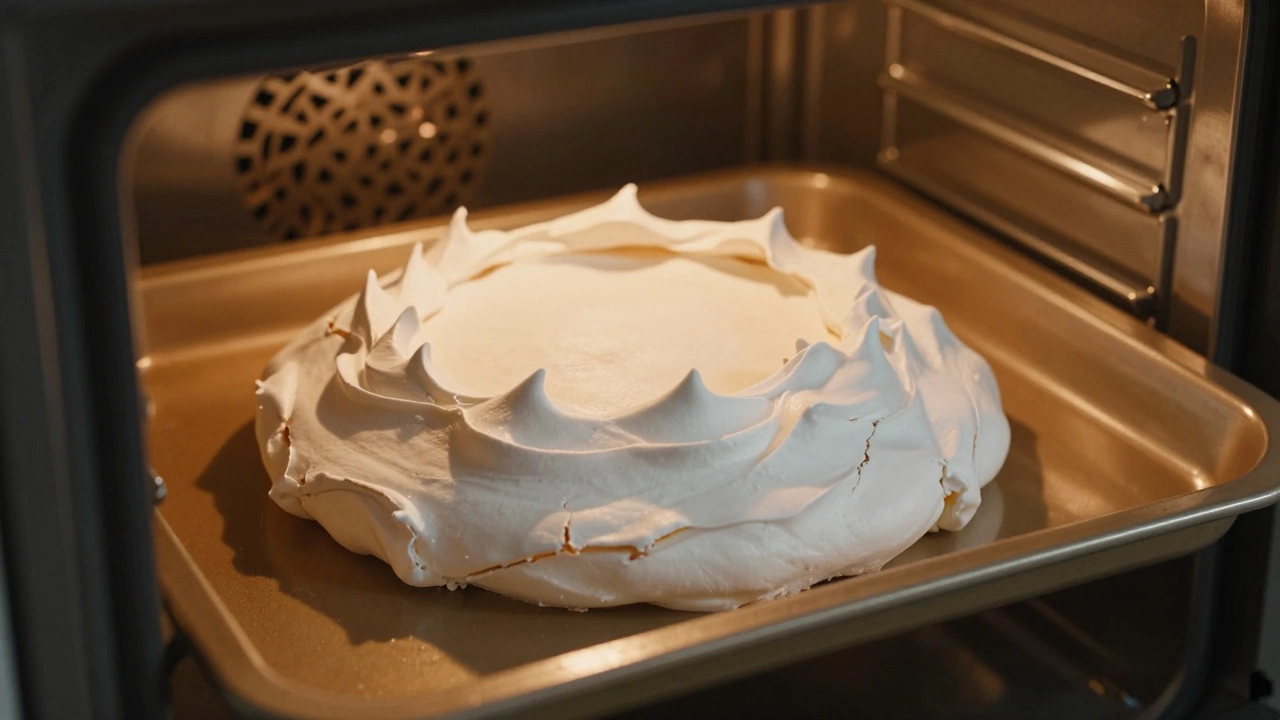
One of the biggest mistakes is rushing the cooling process. If you take a pavlova out of the oven and put it straight on the counter, the sudden temperature change creates condensation inside the meringue. This moisture turns the marshmallow center into a syrup, which then seeps into the crust. Instead, leave the pavlova in the oven with the door slightly ajar. This allows the temperature to drop gradually. Many professional bakers actually leave the dessert in the oven overnight. This slow-cooling method ensures the outside remains dry and the inside stays set. If you're in a rush, at least give it two hours of cooling time before you even think about touching it.| The Problem | The Cause | The Fix |
|---|---|---|
| Beading (sugar droplets on top) | Too much humidity or underbaked | Bake longer at a lower temperature; use a dehumidifier |
| Collapsing center | Over-beaten egg whites | Stop whisking as soon as stiff peaks form |
| Gummy base | Fast cooling or wet toppings | Cool in oven; drain fruit thoroughly |
The Battle Against Humidity
Humidity is the natural enemy of the Meringue. Sugar is hygroscopic, meaning it literally pulls water out of the air. On a humid day in Melbourne or Sydney, your pavlova can start softening within minutes of leaving the oven. To fight this, store your baked (and cooled) meringue shells in an airtight container. If you have Silica Gel Packets (the kind that come in shoe boxes or vitamin bottles), tossing one into the container (without touching the food) can help absorb excess moisture. Never store a pavlova in the fridge before topping it; the moisture in the refrigerator will ruin the crisp shell instantly.Smart Topping Strategies
This is where most pavlovas go wrong. You've spent hours on the base, and then you pile on wet strawberries and runny cream. The moisture from the fruit migrates downward, turning your hard work into a puddle. First, use Heavy Cream with a high fat content. Whip it with a bit of icing sugar and perhaps a touch of mascarpone. Mascarpone is thicker and more stable than regular cream, creating a barrier between the fruit and the meringue. When it comes to fruit, avoid "wet" fruits like canned peaches or overly ripe melons. Stick to fresh berries. Here is a pro tip: wash your berries and let them dry completely on a paper towel before adding them. If you're using sliced kiwi or mango, let the slices sit on a paper towel for ten minutes to soak up the excess juice. This simple step can add hours to the "shelf life" of your dessert's crunch.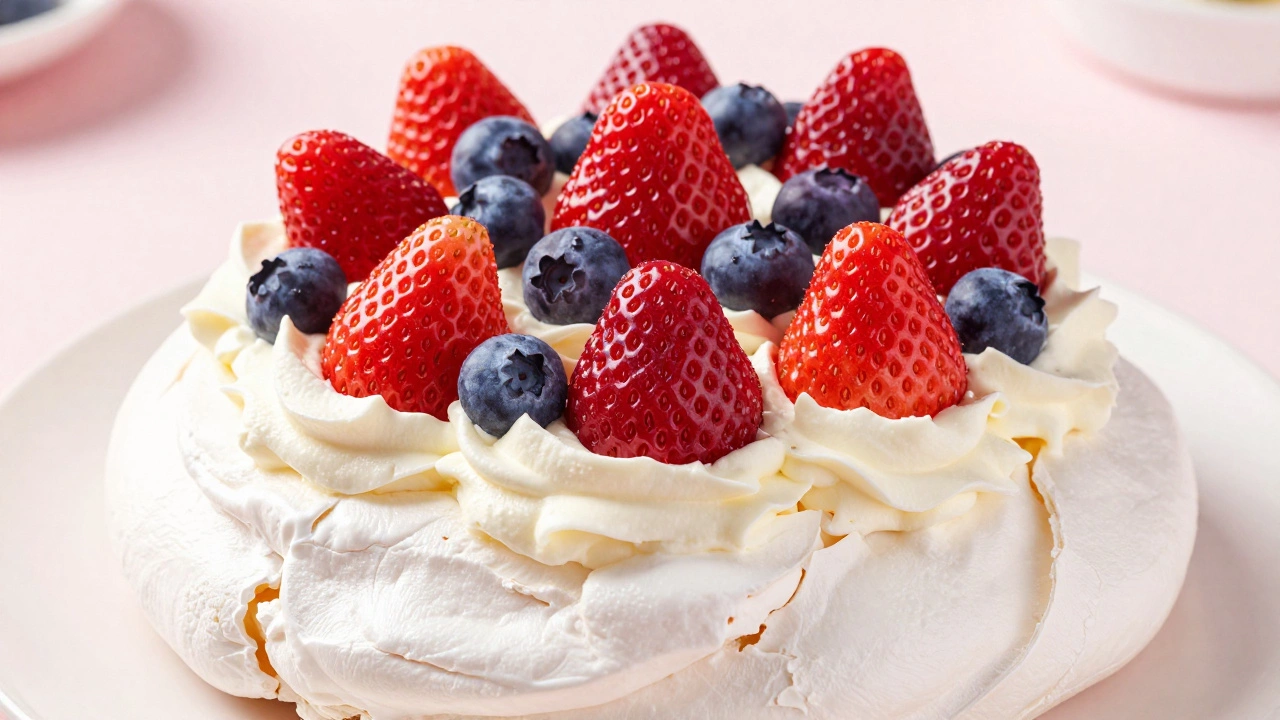
Timing Your Assembly
When do you actually put the cream and fruit on? If you do it the night before, you're guaranteed a soggy mess. The ideal window for assembly is 1 to 3 hours before serving. This gives the cream time to set but doesn't give the moisture enough time to penetrate the meringue shell. If you're hosting a party and need to prep in advance, bake the meringue shells a few days early and store them in a dry, airtight container. Keep your whipped cream in a piping bag in the fridge. Only combine everything right before the guests arrive. This keeps the contrast between the crisp exterior and the creamy interior exactly where it should be.Can I freeze pavlova to keep it from getting soggy?
You can freeze the baked meringue shells, but not the assembled dessert. To freeze shells, wrap them tightly in plastic wrap and foil. Thaw them at room temperature in an airtight container. Do not freeze the cream or fruit toppings, as they will separate and release water upon thawing, causing the base to collapse.
Why is my pavlova weeping (leaking syrup)?
Weeping usually happens for two reasons: either the sugar wasn't fully dissolved into the egg whites during whipping, or the dessert was exposed to high humidity. When sugar crystals remain, they attract moisture, which creates those tiny syrup droplets on the surface.
Does the type of oven affect the sogginess?
Yes. Convection ovens (fan-forced) can sometimes dry out the exterior too quickly, leaving the inside undercooked. If the center is undercooked, it will release moisture as it cools, leading to a soggy bottom. Try lowering the temperature by 10-20 degrees if using a fan-forced oven.
Can I use a different sugar to prevent sogginess?
Caster sugar is the gold standard. Powdered sugar contains cornstarch, which changes the texture, and granulated sugar is too coarse and may not dissolve, leading to the "weeping" mentioned above. Stick with caster sugar for the most stable results.
How do I fix a pavlova that is already starting to get soft?
Once a pavlova has gone soggy, you can't truly "reverse" it, but you can save the experience. If the shell is soft, serve it immediately with a very tart fruit coulis or extra crisp berries to distract from the texture. If it's completely collapsed, crumble the meringue into a bowl and treat it like a "Eton Mess" dessert with cream and berries.