Gluten-Free Bulgur Substitute Finder
Select the type of dish you are making to get the best texture and flavor match.
Select a recipe type above
We will analyze texture requirements and flavor profiles to suggest the perfect gluten-free grain.
Quinoa
The All-Rounder
Cooking Ratio
1 cup grain : 1.75 cups water
Pro Tip
Rinse well to remove bitterness. Toast in olive oil before boiling for extra nuttiness.
Other Good Options:
Imagine you’ve spent weeks perfecting a recipe. You’re craving that nutty, earthy flavor of bulgur in your next dish, but then you pause. Is it safe? If you are managing celiac disease or a gluten sensitivity, this question isn’t just about preference-it’s about health. The short answer is no. Bulgur wheat is not gluten-free.
This might feel like a dead end if you love the texture and taste of bulgur. However, understanding why bulgur contains gluten opens the door to finding substitutes that mimic its unique properties without triggering an immune response. Let’s break down what bulgur actually is, where the gluten hides, and how you can still achieve those delicious results in your cooking and baking.
What Exactly Is Bulgur Wheat?
To understand the risk, we first need to define the ingredient. Bulgur wheat is a whole grain made from cracked wheat kernels that have been boiled, dried, and ground into various sizes. It is not a separate species of plant; it is simply processed common wheat.
The process involves parboiling the wheat berries to loosen the bran, drying them, and then cracking them. This pre-cooking step is what gives bulgur its quick cooking time-you can make a pilaf in minutes rather than the hour required for raw barley or brown rice. Because it comes from wheat, it retains all the proteins found in the original kernel, including gluten.
In many Middle Eastern and Mediterranean cuisines, bulgur is the star. Think of tabbouleh, where finely cracked bulgur provides the bulk and texture, or kishk, a fermented bulgur and yogurt mix. These dishes rely on the chewiness and binding power that gluten provides. When you remove gluten, you lose that structural integrity, which is why substituting bulgur requires more than just swapping one grain for another.
Why Bulgur Wheat Contains Gluten
Gluten is a family of proteins found in wheat, rye, and barley. Specifically, wheat contains two main protein groups: gliadin and glutenin. When water is added, these proteins combine to form gluten. This network acts like elastic scaffolding in doughs and batters, trapping gas bubbles during fermentation or mixing, which allows breads and cakes to rise.
Since bulgur is derived directly from wheat, it is packed with these proteins. Even though the processing changes the physical structure of the grain, it does not remove the gluten proteins. In fact, because bulgur is often used in dense salads or stuffings, the gluten helps bind the ingredients together. For someone with celiac disease, consuming even small amounts of gluten triggers an autoimmune reaction that damages the lining of the small intestine.
It is also worth noting cross-contamination. While pure bulgur is naturally high in gluten, some processing facilities handle both wheat and other grains. If you are extremely sensitive, always check labels for "certified gluten-free" status, although for standard bulgur wheat, this certification will never apply because the base ingredient itself is problematic.
Symptoms and Risks for Sensitive Individuals
If you have celiac disease, eating bulgur wheat can lead to immediate and long-term health issues. Common symptoms include bloating, diarrhea, constipation, and fatigue. Over time, untreated exposure can lead to malabsorption of nutrients, anemia, and bone density loss.
For those with non-celiac gluten sensitivity (NCGS), the symptoms might be less severe but still disruptive. You might experience brain fog, joint pain, or skin rashes like dermatitis herpetiformis. Some people confuse bulgur with rice or corn due to its granular appearance when cooked, leading to accidental ingestion. Education is key here-knowing that bulgur is essentially pre-cooked wheat prevents these mistakes.
Best Gluten-Free Alternatives to Bulgur
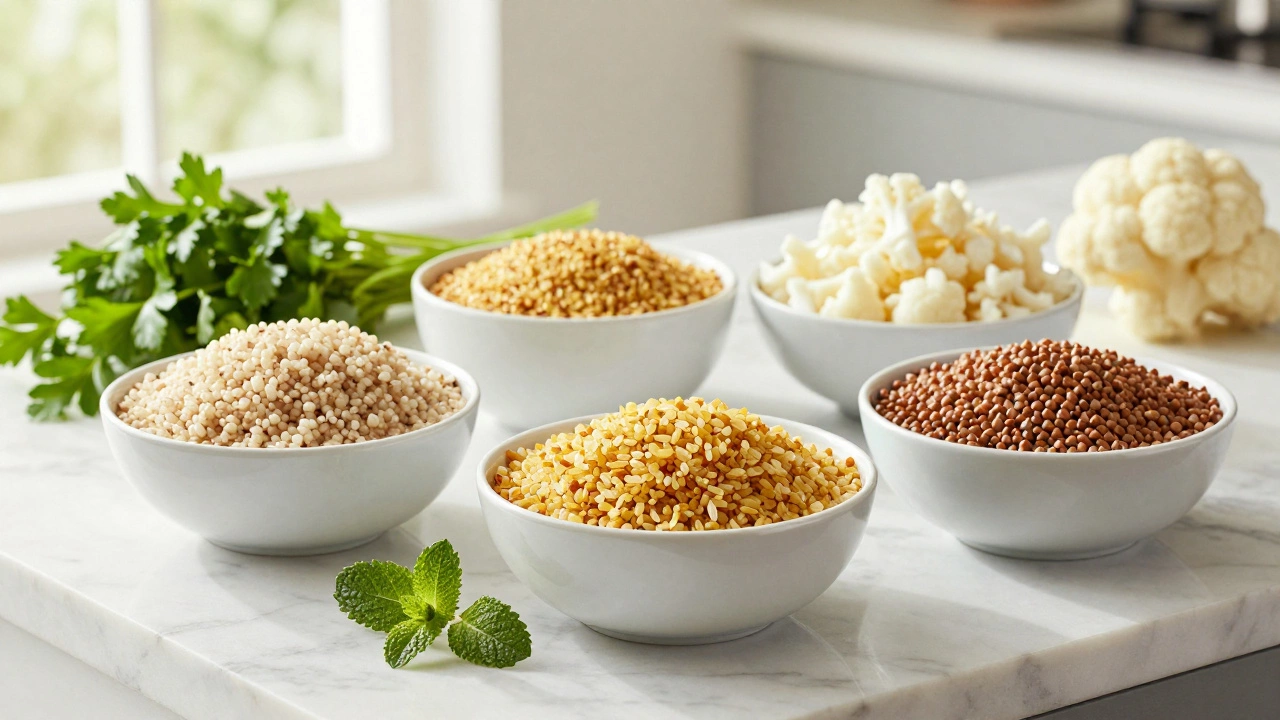
Just because bulgur is off-limits doesn’t mean you have to give up the dishes you love. The goal is to find a substitute that matches bulgur’s texture (chewy yet tender) and flavor (nutty and mild). Here are the top contenders:
- Quinoa: Perhaps the most popular substitute. Quinoa has a similar size and texture to medium-cracked bulgur. It is a complete protein and absorbs flavors well. Use a 1:1 ratio in most recipes.
- Cauliflower Rice: If you are looking to reduce carbs as well as gluten, riced cauliflower is excellent. It mimics the fine texture of fine bulgur used in tabbouleh. It lacks the nuttiness, so add toasted seeds for flavor.
- Millet: Cooked millet has a slightly sweet, earthy flavor and a fluffy texture that works well in pilafs. It binds nicely with herbs and spices.
- Buckwheat Groats: Despite the name, buckwheat is gluten-free and related to rhubarb. Kasha (toasted buckwheat groats) offers a deep, roasted flavor similar to toasted bulgur.
- Amaranth: A tiny seed that becomes sticky when cooked. It works well in stuffings where you want the grains to hold together.
| Grain/Substitute | Gluten Status | Texture Match | Flavor Profile | Best Use Case |
|---|---|---|---|---|
| Quinoa | Gluten-Free | High | Nutty, Mild | Tabbouleh, Pilafs |
| Cauliflower Rice | Gluten-Free | Medium (Fine) | Mild, Vegetal | Salads, Low-Carb Dishes |
| Millet | Gluten-Free | Medium | Earthy, Slightly Sweet | Pilafs, Stuffings |
| Buckwheat (Kasha) | Gluten-Free | High | Robust, Toasty | Hearty Salads, Side Dishes |
| Bulgur Wheat | Contains Gluten | N/A | Nutty, Chewy | Traditional Recipes |
Adapting Traditional Recipes for Gluten-Free Diets
Swapping bulgur for quinoa or millet isn’t always a direct swap-and-go situation. Bulgur has a specific way of absorbing liquid and holding shape. When adapting recipes, keep these tips in mind:
- Rinse Your Grains: Unlike bulgur, which is pre-cooked, most substitutes like quinoa or millet need rinsing to remove saponins (which can taste bitter) and excess starch. This ensures a cleaner flavor profile.
- Adjust Liquid Ratios: Bulgur usually requires equal parts water to grain. Quinoa needs about 1.75 cups of water per cup of grain. Millet needs 2 to 2.5 cups. Check your package instructions carefully.
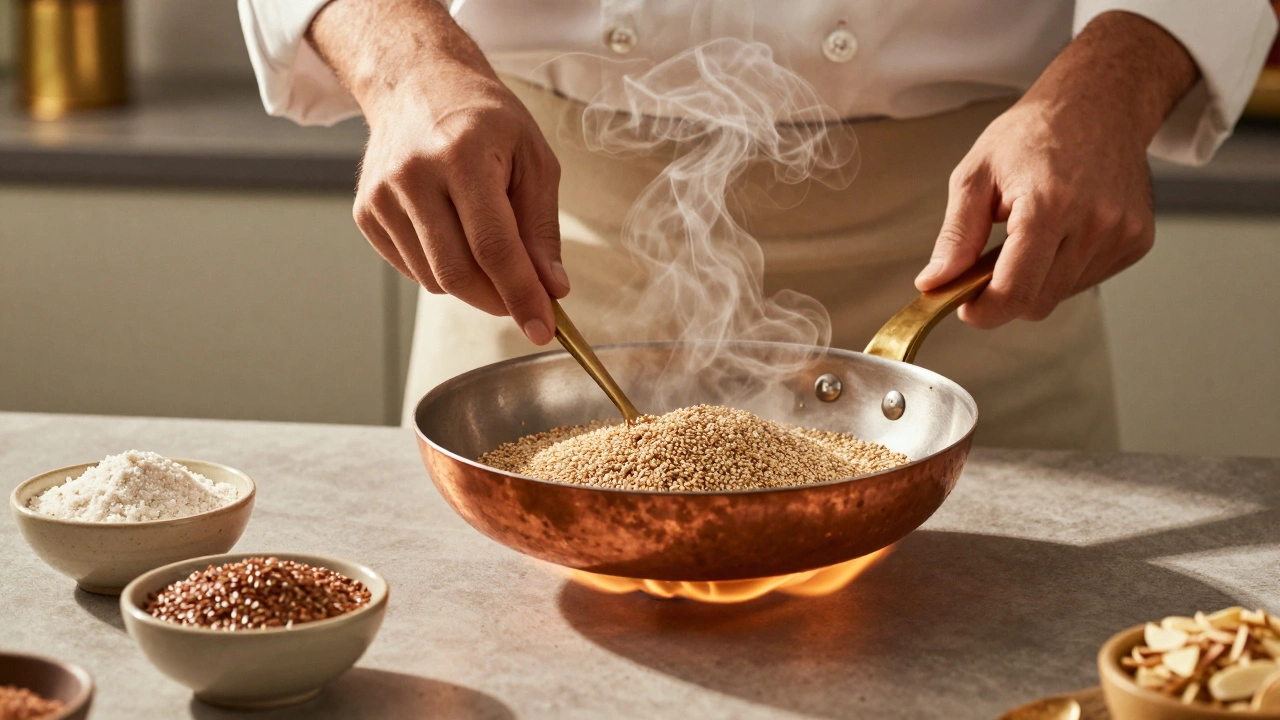
- Toast for Flavor: Bulgur often gets toasted before boiling to enhance its nuttiness. Do the same with your gluten-free substitute. Heat olive oil in a pan, add the dry quinoa or millet, and toast for 2-3 minutes until fragrant before adding liquid.
- Add Binding Agents: In stuffings or patties, bulgur acts as a binder. Gluten-free grains don’t stick together as well. Add an egg, flaxseed meal, or a bit of almond flour to help hold the mixture together.
Bulgur in Baking: What About Gluten-Free Cakes?
You mentioned gluten-free cakes earlier. It is important to clarify that bulgur wheat is rarely used in cake baking. Its coarse texture and high gluten content make it unsuitable for delicate crumb structures. Instead, bulgur is sometimes used in savory breads or dense loaves. If you are looking to bake gluten-free cakes, you should avoid bulgur entirely and focus on gluten-free flours like almond flour, oat flour (certified GF), or rice flour blends.
However, if you are making a savory cake or a grain-based loaf, you can use the substitutes mentioned above. For example, a quinoa loaf can work well with strong herbs and cheeses. Just remember that without gluten, you may need xanthan gum or psyllium husk to provide elasticity and prevent crumbling.
Reading Labels and Avoiding Cross-Contamination
Even if you switch to gluten-free grains, cross-contamination is a real risk. Many facilities process wheat alongside oats, quinoa, and rice. Look for labels that say "Certified Gluten-Free." This certification means the product has been tested and contains less than 20 parts per million (ppm) of gluten, which is the threshold considered safe for most people with celiac disease.
Be cautious with generic terms like "natural" or "whole grain." These do not indicate gluten-free status. Always read the ingredient list for hidden sources of wheat, such as malt vinegar (often made from barley) or modified food starch (which can be wheat-based unless specified otherwise).
Final Thoughts on Making the Switch
Switching from bulgur to gluten-free alternatives takes practice. The first few times you make tabbouleh with quinoa, it might not taste exactly like the traditional version. But with adjustments to seasoning, toasting techniques, and liquid ratios, you can create dishes that are just as satisfying. Remember, avoiding gluten doesn’t mean avoiding flavor-it just means being more intentional about your ingredients.
Can I eat bulgur wheat if I have celiac disease?
No, you cannot. Bulgur wheat is made from wheat, which contains gluten. Consuming it will trigger an immune response in individuals with celiac disease.
Is there any type of bulgur that is gluten-free?
No. By definition, bulgur is processed wheat. There is no gluten-free variety of bulgur wheat. However, you can find gluten-free grains that mimic its texture, such as quinoa or millet.
What is the best substitute for bulgur in tabbouleh?
Finely chopped quinoa or cauliflower rice are the best substitutes. Quinoa provides a similar nutty flavor and chew, while cauliflower rice offers a lighter, low-carb option. Adjust the parsley and mint quantities to balance the milder flavor of the substitute.
Does bulgur wheat contain more gluten than regular wheat flour?
Not necessarily more, but it is concentrated. Since bulgur is a whole grain product, it retains the bran and germ, meaning it contains the full protein profile of the wheat berry. It is just as unsafe for those with gluten intolerance as white flour.
Can I use bulgur wheat in gluten-free baking?
No. Using bulgur wheat in any baked good will make it unsafe for anyone requiring a gluten-free diet. For gluten-free baking, use certified gluten-free flours like almond, coconut, or rice flour instead.