Dessert Popularity Calculator
📊 Calculate Global Dessert Appeal
🎯 Results
Select a dessert to begin
Choose your dessert preferences and click calculate to see its global popularity potential.
Key Factors:
Imagine walking into a bakery in Tokyo, another in New York, and a third in Rome. In each place, you ask for the most popular sweet item on the menu. You might expect the answer to be the same. You might even guess it’s tiramisu. It’s iconic, creamy, and arguably the king of coffee-flavored desserts. But if we’re talking about sheer volume-the actual number of servings eaten globally every single day-tiramisu isn’t the winner. In fact, it’s not even close.
The title of "most consumed dessert in the world" doesn't go to a complex, layered Italian masterpiece. It goes to something simpler, cheaper, and universally accessible: the cookie. Specifically, mass-produced chocolate chip cookies and their global variants dominate the market by a landslide. While tiramisu holds a special place in our hearts and on high-end menus, the data tells a different story about what people actually eat when they want a quick sugar fix.
The Cookie vs. Tiramisu Reality Check
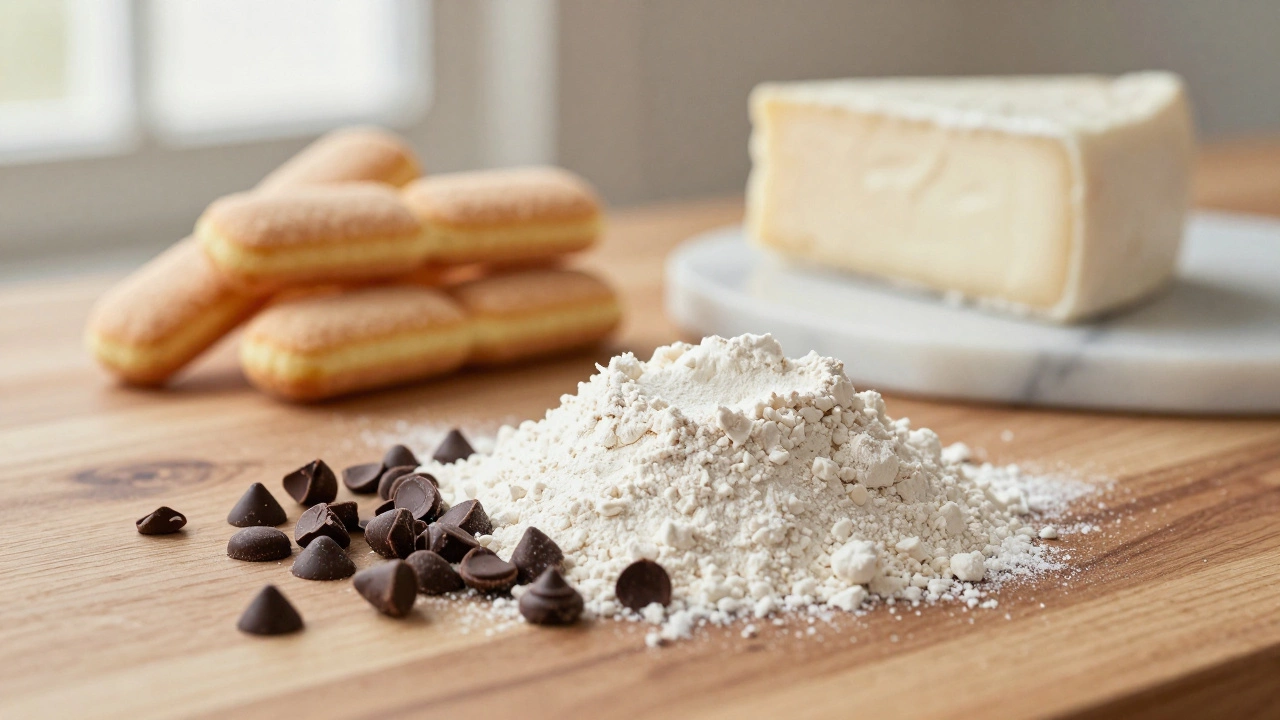
To understand why tiramisu isn't the top seller, we have to look at accessibility. Tiramisu is an Italian coffee-flavoured dessert made with layers of ladyfingers soaked in coffee and a filling usually consisting of a whipped mixture of eggs, sugar, and mascarpone cheese flavoured with cocoa. It requires specific ingredients like mascarpone, which isn't a staple in every household pantry from Brazil to Bangladesh. It also requires preparation time or a trip to a specialized cafe.
Cookies, on the other hand, are everywhere. They are shelf-stable, cheap to produce, and require no refrigeration. According to industry reports from major food manufacturers, the global cookie market was valued at over $40 billion in recent years, with billions of units sold annually. When you factor in homemade batches, school bake sales, and office snacks, the number skyrockets. Tiramisu is a destination dessert; cookies are a daily habit.
| Dessert Type | Primary Ingredients | Shelf Life | Global Availability | Consumption Driver |
|---|---|---|---|---|
| Chocolate Chip Cookies | Flour, Sugar, Butter, Chocolate Chips | Days to Weeks | Universal | Convenience & Cost |
| Tiramisu | Mascarpone, Eggs, Ladyfingers, Coffee | 1-3 Days (Refrigerated) | High (Urban/Cafes) | Occasion & Taste |
| Ice Cream | Milk, Cream, Sugar, Flavorings | Months (Frozen) | Very High | Temperature Relief & Variety |
| Brownies | Flour, Cocoa, Butter, Sugar | Days | High | Density & Richness |
Why Tiramisu Feels Like the Winner
If cookies are the champion of volume, why does tiramisu feel so dominant? It’s because of cultural export and media presence. Since its invention in the late 1960s or early 1970s in Treviso, Italy, tiramisu has become a symbol of sophisticated dining. It appears in movies, TV shows, and travel blogs constantly. It’s the dessert you order when you want to impress someone or treat yourself to something "real." The name itself helps. "Tira mi su" translates roughly to "pick me up" or "cheer me up," referring to the caffeine kick from the espresso. This narrative appeal makes it memorable. However, memorability doesn't equal consumption frequency. You might remember your last tiramisu vividly, but you probably ate three cookies this week without thinking twice.
The Real Contenders for Top Spot
While cookies lead in pure unit count, other desserts challenge them in different metrics. If we measure by revenue rather than quantity, ice cream takes a strong second place. The global ice cream market is massive, driven by brands like Nestlé, Unilever, and local artisans worldwide. Ice cream is consumed year-round in many cultures, not just in summer, thanks to widespread freezer access.
Another dark horse is the brownie. Originating in the United States, brownies have gone global. They are denser than cookies and often perceived as more indulgent, yet they share the same convenience factor. In many Asian markets, for example, small, bite-sized brownies are sold in convenience stores alongside tea, creating a massive daily consumption base that rivals cookies in urban centers.
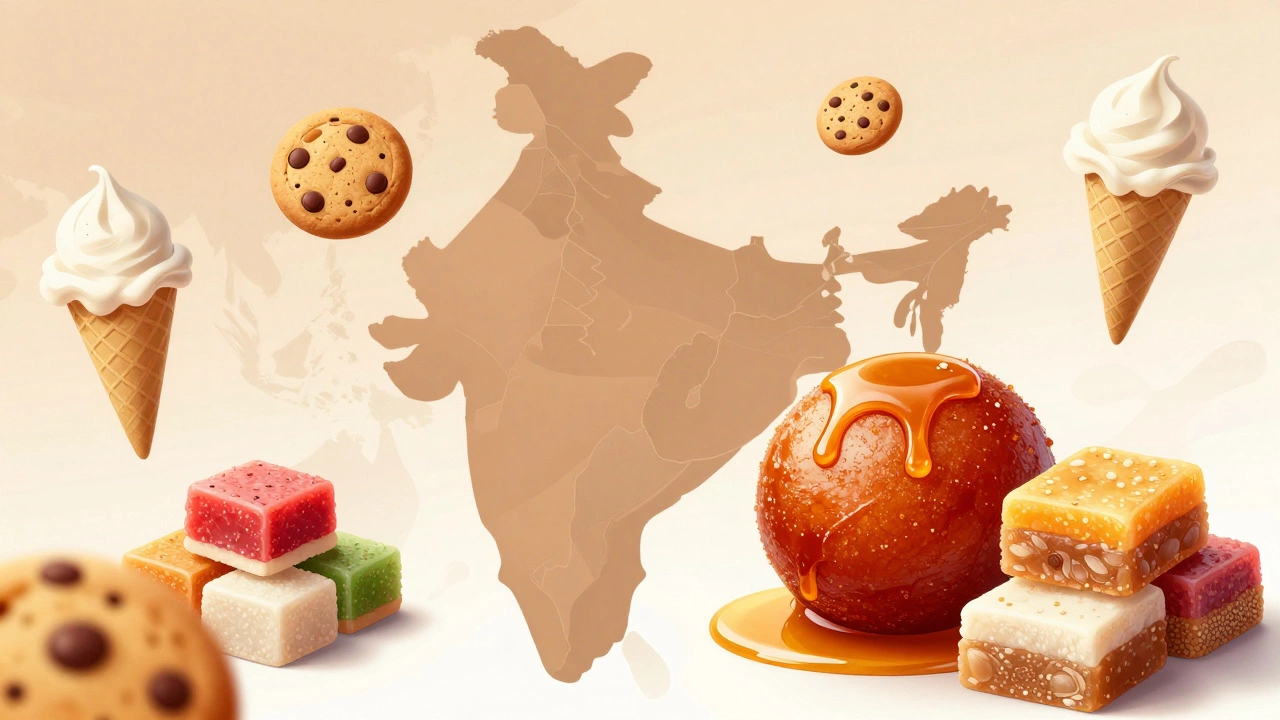
Then there are regional giants. In India, sweets like Gulab Jamun are consumed in staggering quantities during festivals and daily life. In Mexico, churros are a street-food staple eaten by millions daily. These desserts don't always show up in global Western-centric market reports, but locally, they dwarf tiramisu in popularity. If you define "world" strictly by Western retail data, cookies win. If you include informal street food economies across Asia, Africa, and Latin America, the gap narrows, but simple, flour-based sweets still reign supreme.
The Science of Mass Appeal
What makes a dessert globally consumable? It comes down to the "bliss point." Food scientists know that a specific ratio of sugar, fat, and salt triggers pleasure centers in the brain. Cookies hit this point perfectly. They are portable, shareable, and customizable. You can add nuts, white chocolate, oatmeal, or matcha. Tiramisu is less flexible. Change the coffee to tea, and it’s no longer traditional tiramisu. Swap mascarpone for cream cheese, and you get a cheesecake variant. Its rigidity limits its mass-market adaptability compared to the humble cookie.
Furthermore, cost plays a huge role. A batch of cookies can feed a family for days at a low cost per serving. Tiramisu relies on dairy products that vary wildly in price depending on the region. In countries where dairy is expensive or culturally less central, tiramisu remains a niche luxury item. Cookies, relying on wheat and sugar, are affordable staples almost everywhere.
Tiramisu’s Unique Position in the Market
This doesn’t mean tiramisu is failing. Far from it. It occupies a premium niche. It’s the dessert of choice for romantic dinners, celebratory meals, and upscale cafes. Its growth is steady, particularly in emerging markets where middle-class consumers are seeking European-style dining experiences. In cities like Mumbai, Shanghai, and São Paulo, tiramisu shops are popping up, catering to a demographic that values authenticity and experience over mere calorie intake.
For home bakers, tiramisu is also gaining traction. Social media platforms like TikTok and Instagram have simplified recipes, making it seem easier to make than it is. Many users post "no-bake tiramisu" tutorials, driving interest. However, the barrier to entry-finding good mascarpone and quality espresso-still keeps it out of the daily rotation for most households.
How to Choose Your Next Dessert
So, should you stop eating tiramisu? Absolutely not. The question of "most consumed" is about logistics, not quality. If you want a quick snack, grab a cookie. If you want an experience, make tiramisu. Here’s how to decide based on your needs:
- For Daily Snacking: Stick with cookies or brownies. They are convenient, non-perishable, and satisfy cravings quickly.
- For Entertaining Guests: Tiramisu wins. It looks elegant, serves well in portions, and sparks conversation.
- For Budget-Friendly Feeding: Homemade cakes or cookies allow you to stretch ingredients further than a multi-component dessert like tiramisu.
- For Dietary Restrictions: Cookies are easier to modify. Gluten-free, vegan, and nut-free cookies are widely available. Vegan tiramisu exists but requires careful substitution of eggs and dairy, often changing the texture significantly.
The Future of Global Sweets
Looking ahead, health trends might shift these numbers. As consumers become more health-conscious, demand for low-sugar alternatives is rising. We’re seeing a rise in protein cookies and keto-friendly brownies. Tiramisu, being inherently rich in sugar and fat, faces challenges here. However, its status as an "occasional treat" protects it. People are more likely to cut back on daily cookies than on a once-a-month tiramisu indulgence.
Innovation will also play a role. We might see ready-to-eat tiramisu cups in supermarkets, mimicking the convenience of cookies. If that happens, tiramisu’s consumption volume could jump. Until then, the cookie remains the undisputed king of global dessert consumption, while tiramisu reigns as the queen of sophistication.
Is tiramisu really the most popular dessert?
No, tiramisu is not the most consumed dessert globally by volume. Cookies, particularly chocolate chip cookies, hold that title due to their accessibility, low cost, and long shelf life. Tiramisu is highly popular but remains a premium, occasion-based dessert.
What is the most consumed dessert in Europe?
In Europe, cake slices and pastries compete closely with cookies. However, if looking at specific types, fruit tarts and sponge cakes are extremely common in daily bakeries. Tiramisu is very popular in Southern Europe but less so in Northern regions compared to simpler baked goods.
Why is tiramisu so expensive compared to cookies?
Tiramisu uses higher-cost ingredients like mascarpone cheese, fresh eggs, and quality coffee. It also requires labor-intensive assembly and refrigeration. Cookies use bulk commodities like flour and sugar, making them much cheaper to produce at scale.
Can you make tiramisu without alcohol?
Yes, traditional tiramisu does not always require alcohol. Marsala wine or rum is optional. You can substitute the alcohol with extra espresso, vanilla extract, or coffee liqueur alternatives to keep the flavor profile intact without the spirits.
How long does tiramisu last in the fridge?
Homemade tiramisu typically lasts 2 to 3 days in the refrigerator due to the raw eggs and fresh dairy. Store-bought versions may last longer if they use pasteurized ingredients and preservatives, but quality degrades after a few days.