Cookie Texture Simulator
How it works: Select a "Desired Outcome" below to see which ingredient adjustments are needed to achieve that specific cookie texture based on the article's science.
1. Choose Your Goal
2. Ingredient Adjustments
Here is the quick breakdown of what you need and why they matter.
- Flour: The structural backbone.
- Fat: For tenderness and flavor.
- Sugar: For sweetness and browning.
- Eggs: The binder and moisture source.
- Leavening Agents: For lift and air.
- Flavorings: Salt, vanilla, and extracts.
- Mix-ins: The stars like chocolate or nuts.
The Foundation: Flour and Structure
You can't have a cookie without a base, and that is where Flour is a finely ground powder made from grains, primarily wheat, used to provide the primary structure in baked goods. Think of it as the scaffolding of your cookie. Most recipes call for All-Purpose Flour because it has a balanced protein content. If you use too much, your cookies turn into bread; too little, and they melt into a puddle on the tray.
But not all flour is created equal. If you want a more tender, cake-like cookie, some bakers swap a portion of all-purpose for cake flour. Conversely, bread flour adds more chew-perfect for those thick, NYC-style cookies that stay soft in the middle. The protein in the flour forms gluten when mixed with liquids, which is why over-mixing your dough leads to tough, rubbery cookies instead of tender bites.
The Secret to Texture: Fats
Fat is what makes a cookie feel like a treat rather than a cracker. The most common choice is Butter is a dairy product made from churned cream that provides richness and a distinct flavor profile to cookies. But you can also use shortening, coconut oil, or lard.
The temperature of your fat changes everything. When you cream room-temperature butter with sugar, you trap tiny air bubbles. This leads to a fluffier cookie. If you use melted butter, those air bubbles disappear, and the fat blends more deeply into the flour, resulting in a denser, chewier, and often more caramelized cookie. If you've ever noticed your cookies spreading too much, your butter might have been too warm before it hit the oven.
The Sweetness and the Snap: Sugars
Sugar does more than just make things taste sweet. It affects the color, the texture, and how long the cookie stays moist. Most recipes use a combination of Granulated Sugar is a refined sucrose crystal used for crispness and sweetness and Brown Sugar is a sugar product with molasses content that adds moisture and a deep, caramel-like flavor.
White sugar helps the cookie spread and get those crisp, golden edges. Brown sugar, because of the molasses, holds onto moisture and creates a soft, chewy center. If you want a snap like a gingersnap, go heavy on the white sugar. If you want a fudge-like consistency, lean into the brown sugar. This balance is exactly why homemade cookies can vary so wildly in texture despite having the same basic ingredients.
The Glue: Eggs
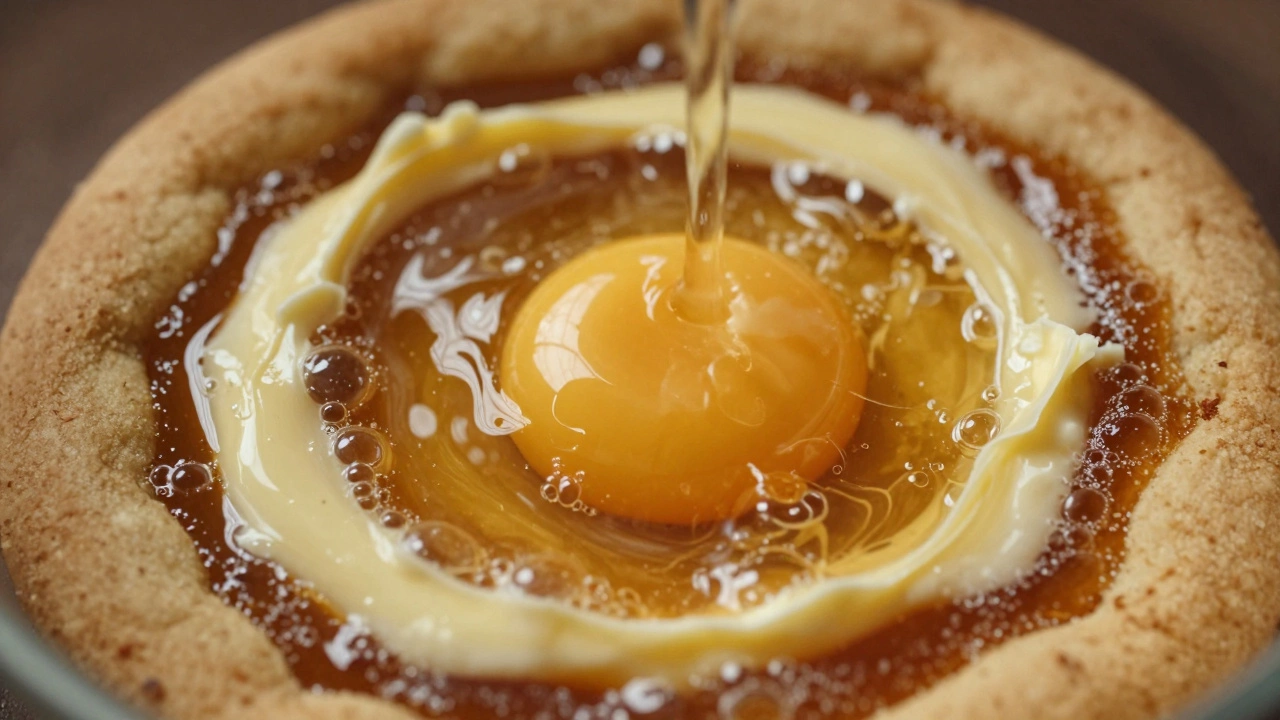
Without eggs, your cookies would likely crumble into a pile of sandy dust. Eggs are protein-rich binders that provide moisture, structure, and emulsification in baking. They act as the glue that holds the flour and fat together.
The white of the egg provides structure and a bit of lift, while the yolk adds richness and a creamy mouthfeel. Some pro tips suggest using just an extra egg yolk to make a cookie even richer and denser. If you need a lighter, more airy cookie, adding a splash of water or milk along with the egg can help, but the egg remains the undisputed heavyweight champion of binding.
The Lift: Leavening Agents
Nobody wants a cookie that feels like a hockey puck. To get that lightness, we use leavening agents. The two most common are Baking Soda is a chemical leavener that requires an acid to react, creating carbon dioxide gas for lift and Baking Powder is a complete leavening agent containing both an acid and a base, reacting when moistened and heated.
Baking soda makes cookies spread more and brown faster because it raises the pH level of the dough. Baking powder, on the other hand, helps cookies puff up and stay thicker. Many recipes use both to get a balance of a golden-brown exterior and a soft, lifted interior. If you forget these, your cookies will be flat and dense.

The Flavor Enhancers: Salt and Vanilla
It sounds strange to put salt in a sweet treat, but it is absolutely non-negotiable. Salt is a flavor enhancer; it cuts through the heaviness of the fat and the cloying sweetness of the sugar, making the other flavors pop. Without it, a cookie tastes one-dimensional and bland.
Then there is Vanilla Extract is a liquid flavoring derived from vanilla pods, used to add aromatic depth and sweetness to baked goods. Vanilla doesn't just add its own flavor; it rounds out the edges of the sugar and flour. It's the aromatic bridge that connects the richness of the butter with the sweetness of the sugar.
The Finishing Touch: Mix-ins
This is where you get to be creative. Mix-ins are the a-la-carte additions that define the type of cookie you are making. Whether it's semi-sweet chocolate chips, toasted walnuts, dried cranberries, or a swirl of peanut butter, these ingredients add texture and contrast.
The key to a good mix-in is the size and timing. Adding them at the very end prevents the dough from being over-worked. For example, adding huge chunks of chocolate creates "pools" of melted cocoa, whereas small chips give a consistent chocolate flavor in every single bite. The ratio of mix-ins to dough is also vital-too many, and the cookie falls apart; too few, and it's just a plain sugar cookie.
| Ingredient | Primary Role | Effect of Increasing | Effect of Decreasing |
|---|---|---|---|
| Flour | Structure | Thicker, drier cookie | More spread, thinner cookie |
| Butter | Tenderness | Richer, more spread | Tougher, cakey texture |
| Brown Sugar | Moisture/Color | Chewier, darker | Crispier, paler |
| Baking Soda | Lift/Browning | More browning, flatter | Less lift, pale color |
Common Pitfalls to Avoid
Even with the right seven ingredients, a few small mistakes can ruin a batch. The biggest culprit is usually over-mixing. Once you add the flour, mix only until the streaks disappear. Over-mixing develops too much gluten, turning your cookies into tough discs.
Another common issue is using ingredients at the wrong temperature. If a recipe says "creaming butter," it means room temperature-usually around 65°F to 68°F (18°C to 20°C). If the butter is too soft, your cookies will flatten into pancakes. If it's too cold, they won't spread at all and will stay in tight, hard lumps. Always check your egg temperature too; cold eggs can seize up your creamed butter, making the batter split.
Can I swap butter for oil in cookies?
Yes, but the texture will change. Butter provides a creamy, rich flavor and helps with air incorporation during creaming. Oil makes the cookie moister and often softer, but it lacks the characteristic "butter" taste and can lead to a flatter cookie because oil is liquid at room temperature.
Why do some recipes use both baking soda and baking powder?
They do different things. Baking soda needs an acid (like brown sugar or cocoa powder) to react and helps with browning and spreading. Baking powder provides a more consistent lift and makes the cookie fluffier. Using both gives you the best of both worlds: a beautiful color and a great height.
What happens if I forget the salt?
Your cookies will still taste sweet, but they will taste "flat." Salt suppresses bitterness and enhances the perception of sweetness and richness. Without it, the flavors of the chocolate or vanilla don't stand out as much, making the cookie feel boring.
How do I stop my cookies from spreading too much?
First, check your butter temperature. If it's too warm, chill your dough in the fridge for 30 minutes before baking. You can also try slightly increasing the flour or using a colder oven. Chilling the dough crystallizes the fat, so it takes longer to melt in the oven, giving the structure time to set.
Does the type of sugar really matter?
Absolutely. White sugar creates a crisp, crunchy texture. Brown sugar, which contains molasses, adds moisture and a chewy, caramel-like quality. Switching all your brown sugar for white sugar will result in a cookie that is much crispier and less moist.