Dessert Matchmaker: Find Your Perfect Treat
Not sure what to crave? Tell us what you're in the mood for, and we'll find the global favorite that matches your palate!
Why it fits:
Quick Summary: Global Dessert Heavyweights
- Chocolate Cake: The universal champion of celebrations and comfort.
- Tiramisu: Italy's coffee-soaked masterpiece that blends bitterness with cream.
- Cheesecake: A versatile treat found in various forms from New York to Japan.
- Baklava: The honey-drenched gold standard of Middle Eastern sweets.
- Mochi: Japan's chewy, rice-based delight that has taken the world by storm.
Why Chocolate Cake Takes the Crown
There is a scientific reason why Chocolate Cake is so addictive. It's not just about the sugar. Cocoa contains phenylethylamine, a compound that triggers the release of dopamine in the brain, mimicking the feeling of being in love. When you combine that with the fats from butter or cream, you get a high-calorie reward system that our brains are wired to crave.
Think about the last time you had a slice of a moist, dark chocolate cake. The way the frosting melts and the sponge gives way is a tactile experience. Because it's so adaptable, you can make it vegan, gluten-free, or infuse it with espresso to deepen the flavor. It's the go-to for birthdays, weddings, and "just because" cravings, which is why it consistently ranks at the top of global preference lists.
The Italian Elegance of Tiramisu
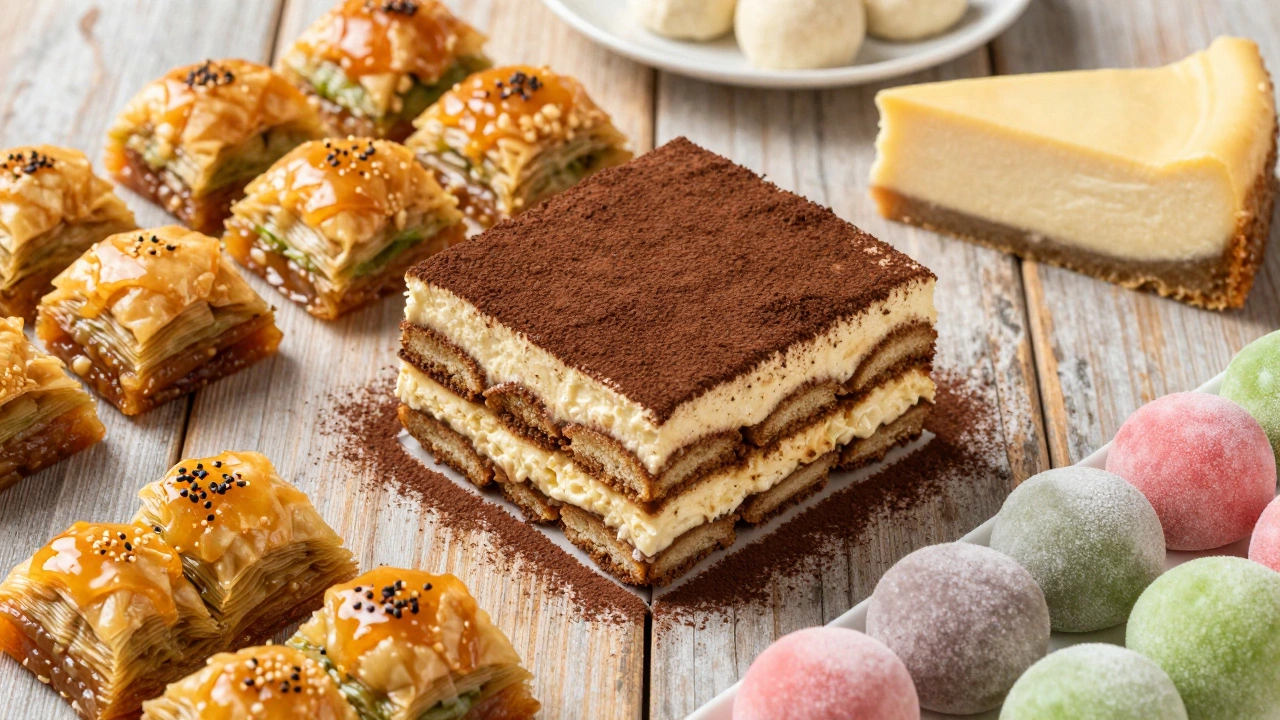
If chocolate cake is the loud, celebratory king, then Tiramisu is the sophisticated artist. This layered dessert made of espresso-soaked savoiardi and mascarpone cream originated in the Veneto region of Italy. Its name literally translates to "pick me up," which makes sense given the caffeine hit.
What makes Tiramisu so loved is the balance of contrast. You have the bitterness of the coffee clashing with the sweetness of the sugar and the richness of the cheese. Unlike a cake that can sometimes feel too heavy, Tiramisu feels airy. If you're making this at home, the secret is in the Mascarpone. Using a high-quality, creamy Italian cheese ensures the filling doesn't collapse and maintains that signature velvety mouthfeel.
| Dessert | Primary Flavor | Key Texture | Origin | Complexity to Make |
|---|---|---|---|---|
| Chocolate Cake | Cocoa/Sweet | Spongy/Creamy | Global/Europe | Medium |
| Tiramisu | Coffee/Cream | Soft/Layered | Italy | Medium |
| Cheesecake | Tangy/Sweet | Dense/Smooth | Ancient Greece/USA | Medium |
| Baklava | Honey/Nutty | Crispy/Syrupy | Ottoman Empire | High |
| Mochi | Rice/Sweet | Chewy/Elastic | Japan | Medium |
The Versatility of Cheesecake
Few desserts are as geographically flexible as Cheesecake. In the US, the New York style cheesecake is dense, rich, and usually baked. Meanwhile, in Japan, the Japanese Cotton Cheesecake is a jiggly, soufflé-like cloud that barely feels like it has calories. In Spain, you'll find the Basque burnt cheesecake, which is intentionally charred on top for a caramelized flavor.
The appeal of cheesecake lies in the salt-sweet-tangy triad. The cream cheese provides a tang that cuts through the sugar, preventing the dessert from becoming cloying. If you want to upgrade a standard recipe, try adding a pinch of lemon zest or a swirl of raspberry coulis. This adds a layer of acidity that makes the richness of the cheese pop.
Sweetness from the East: Baklava and Mochi
While Western cakes dominate the headlines, the East offers textures and flavors that are equally beloved. Baklava is a masterclass in patience. This layered pastry made of phyllo dough, chopped nuts, and honey requires dozens of paper-thin layers of dough. The result is a satisfying crunch followed by a syrupy, nutty center. It's a staple across the Mediterranean and Middle East, often served with strong tea to balance the intense sweetness.
On the other hand, Mochi represents a completely different sensory experience. Made from glutinous rice that is pounded into a paste, Mochi is all about the "chew" (or mochi-mochi texture). Whether it's filled with red bean paste or wrapped around an ice cream scoop, its elasticity is what makes it addictive. It's a testament to how different cultures define "dessert"-not always as a cake, but sometimes as a texture.
How to Bake the World's Most Loved Dessert
Since chocolate cake recipes are the most sought-after, let's talk about how to actually nail one. Many people fail because they overbake their cakes or use low-quality cocoa. To get a professional result, follow these specific rules of thumb:
- Use Room Temperature Ingredients: Your eggs and butter should be at room temperature. Cold eggs can curdle the batter, leading to a dense, uneven cake.
- Don't Overmix: Once you add the flour, mix only until combined. Overworking the gluten creates a tough, bread-like texture instead of a tender crumb.
- Bloom Your Cocoa: Mix your cocoa powder with hot water or coffee before adding it to the batter. This "blooms" the chocolate, releasing deeper flavor notes.
- The Toothpick Test: Insert a toothpick into the center. If it comes out with a few moist crumbs, stop baking. If it's completely clean, you've likely overbaked it.
The Psychology of Dessert Preferences
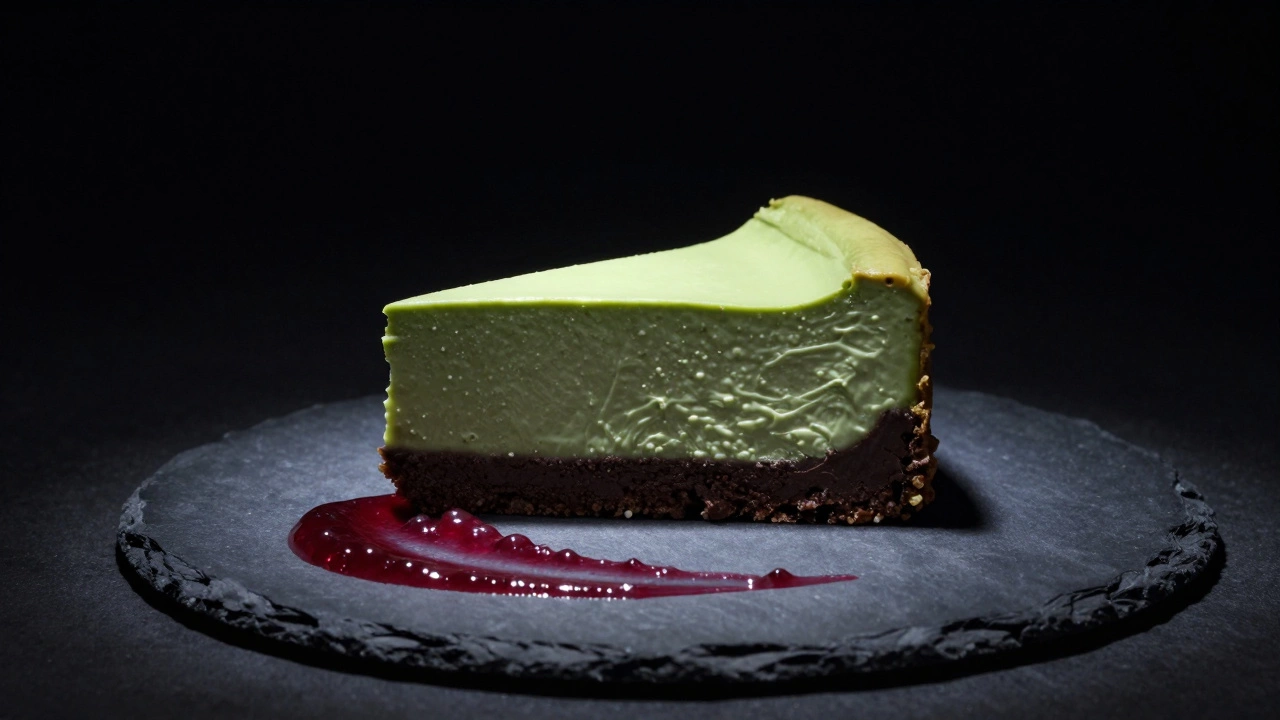
Why do some people prefer a tart lemon tart over a rich brownie? It often comes down to cultural conditioning and "flavor memories." For someone raised in Japan, the subtle sweetness of matcha might be the ultimate comfort, whereas someone from the US might crave the high-sugar hit of a glazed donut. However, the trend is shifting. We're seeing a global "fusion" era where people are mixing these styles-like a Matcha Cheesecake or a Miso Chocolate Cake.
The rise of Vegan Desserts has also changed the game. Using aquafaba (chickpea water) as an egg replacement or coconut cream for richness has allowed people with dietary restrictions to enjoy these global classics without sacrificing the mouthfeel. This inclusivity is why these desserts continue to be loved across all demographics.
Which dessert is actually the most popular globally?
While there is no single official census, Chocolate Cake consistently ranks as the most popular due to its presence in almost every culture and its association with celebrations. However, in terms of sheer consumption volume, simple sweets like cookies and donuts are very high, but as a "dessert dish," chocolate cake takes the lead.
Why is Tiramisu so popular in modern cafes?
Tiramisu's popularity stems from its balance of coffee and cream. Since coffee culture has exploded globally, a dessert that incorporates espresso naturally appeals to the same crowd. Its no-bake nature also makes it easier for cafes to prepare in large batches compared to complex pastries.
Can I make a world-class dessert without an oven?
Absolutely. Many of the most loved desserts, such as Tiramisu, No-Bake Cheesecakes, and Mochi, don't require an oven. These rely on refrigeration or steaming, making them accessible to anyone with a basic kitchen setup.
What is the secret to a moist chocolate cake?
The secret is often the addition of a liquid like sour cream, buttermilk, or even a bit of oil instead of just butter. These ingredients prevent the cake from drying out and create a tighter, moister crumb structure.
Is Baklava always this sweet?
Yes, traditionally Baklava is very sweet because the honey or sugar syrup acts as a preservative and gives it that signature glisten. To balance it, it is almost always served with something bitter, like black coffee or unsweetened tea.
Next Steps for Dessert Lovers
If you're feeling inspired to explore these global flavors, start with a "Dessert Tour" at home. Try a simple no-bake Tiramisu first since it requires minimal equipment. If you're feeling brave, tackle the layers of a Baklava. For those who want to perfect their baking, focus on mastering the temperature of your ingredients; it's the most common mistake home bakers make.
Whether you prefer the rich depths of cocoa or the chewy elasticity of rice cakes, the world of desserts is a reflection of human creativity. The "most loved" dessert isn't necessarily the one with the most sales, but the one that evokes the strongest memory of home, celebration, or pure joy.