King Cake Simulator
Instructions: Click on the cake below to slice it open and see if you find the baby!
The Colors of Mardi Gras
You slice into the purple, green, and gold swirl of your King Cake is a traditional pastry served during Carnival season, particularly in New Orleans, Louisiana, featuring cream cheese filling or custard and colored sugar toppings. and there it is: a tiny white figure nestled in the flaky dough. Your heart skips a beat. Is this a prank? A health hazard? Or something deeper? Finding the baby in a King Cake is not just a random event; it is a centuries-old ritual with specific social rules, historical roots, and modern safety considerations that every participant should understand before taking that first bite.
The Core Meaning: Royalty and Responsibility
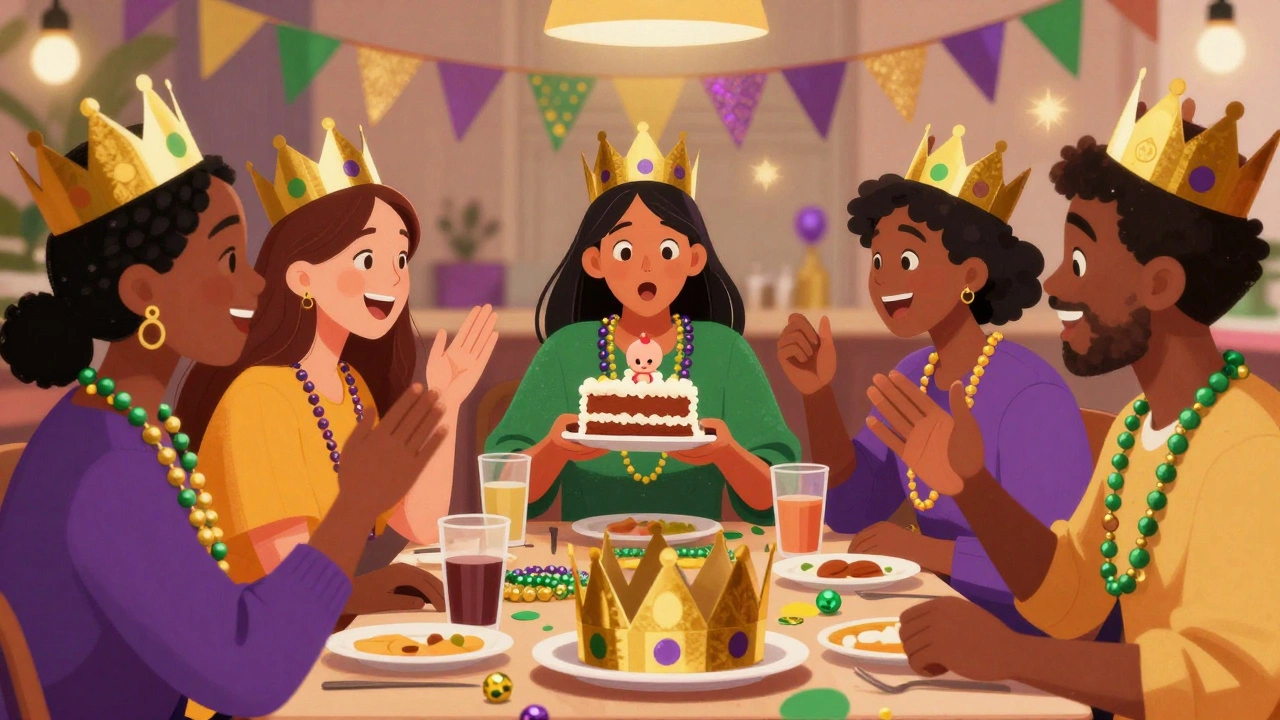
If you find the baby in your slice, congratulations-you are now the "king" or "queen" of the gathering. This isn't just a fun title; it comes with a specific obligation. In traditional Mardi Gras is the festive celebration preceding Lent, characterized by parades, costumes, and indulgence in food and drink, culminating on Ash Wednesday. culture, the person who finds the trinket is responsible for hosting the next King Cake party or purchasing the next cake for the group. It is a cycle of generosity and community bonding that keeps the tradition alive throughout the Carnival season, which runs from Twelfth Night (January 6) until Mardi Gras Day.
This role reversal has deep roots. Historically, finding the bean or figurine designated the "King of the Bean," granting the finder temporary authority over the festivities. Today, it translates to social capital. You become the center of attention, often wearing a paper crown provided at the table. The pressure is light, but the expectation is clear: you keep the chain of cakes going. If you refuse to buy the next cake, you break the social contract of the season, which can lead to gentle teasing from friends and family.
Historical Origins: From Medieval Beans to Modern Plastics
To understand why we hide a baby in a cake, we have to look back at medieval Europe. During the Twelve Days of Christmas, families would gather for a feast where a dried bean was hidden inside a special cake called Galette des Rois is a French almond-filled pastry traditionally eaten on Epiphany, containing a hidden fève or charm that designates the 'king' of the meal.. Whoever found the bean became the king or queen for the day. This tradition traveled to France and eventually to Louisiana through French colonists.
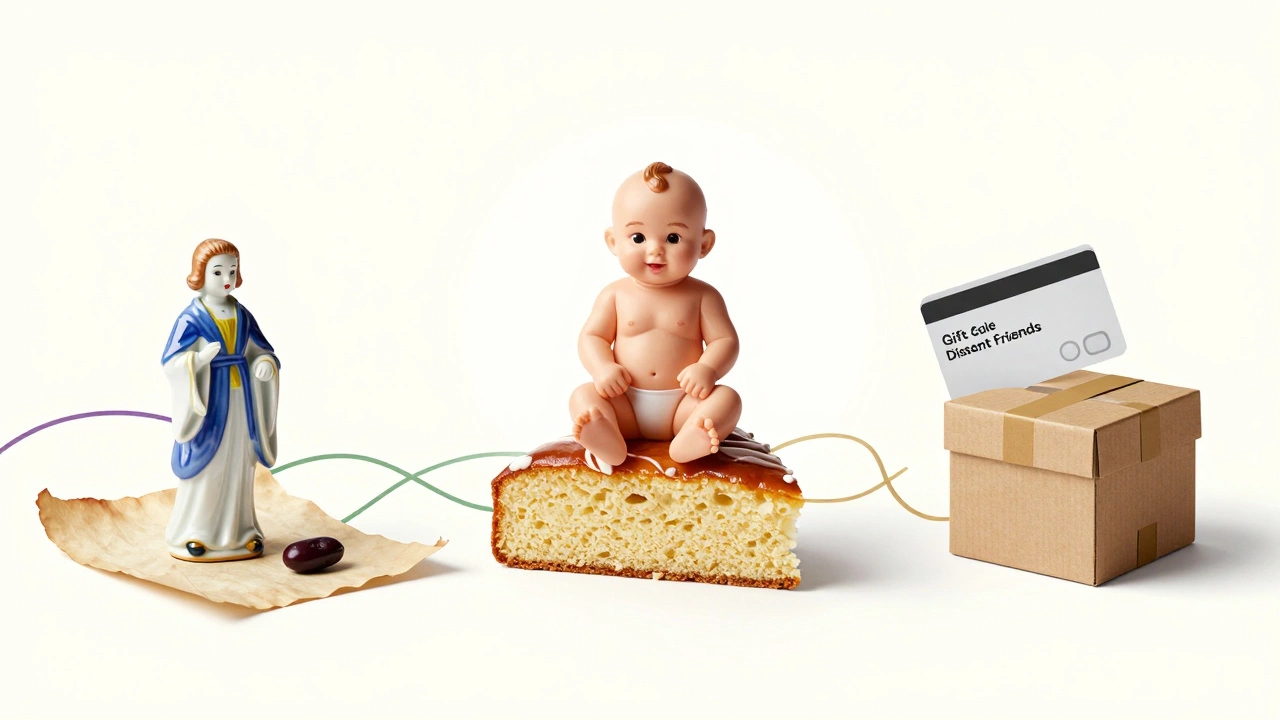
In the early days of American King Cakes, the hidden object was indeed a dried bean. However, beans pose a significant dental risk. Chewing on a hard bean can crack teeth, leading to expensive dental bills rather than festive joy. Over time, the bean was replaced by safer alternatives like porcelain figurines, and eventually, the small plastic baby we recognize today. The shift to a baby specifically ties the tradition to Epiphany is a Christian feast day celebrating the visit of the Magi to the infant Jesus, marking the end of the Christmas season and the start of Carnival., commemorating the discovery of the Christ child by the Three Wise Men. The baby symbolizes this religious narrative, blending faith with the secular fun of the Carnival season.
Safety First: The Plastic Baby Controversy
While the tradition is charming, the physical reality of hiding a hard plastic object in soft dough raises valid safety concerns. In recent years, several bakeries and restaurants have faced backlash or lawsuits after customers chipped teeth on the plastic baby. As a result, many establishments have changed their approach. Some use softer materials, while others provide a separate "baby" that is placed on the plate of the winner after the cake is cut, rather than baking it inside.
If you are buying a King Cake from a commercial bakery, check their policy. Many reputable bakeries in New Orleans is a city in Louisiana known for its unique Creole and Cajun culture, jazz music, and as the epicenter of Mardi Gras celebrations. will warn customers about the hardness of the figurine. When making King Cake at home, consider using a smaller, smoother plastic toy or even a large candy bead if children are present. Always inform your guests that a foreign object is inside the cake so they can chew carefully. Never assume everyone knows the tradition, especially if you are hosting out-of-towners or young children.
Who Pays? Navigating the Social Contract
The rule that the finder buys the next cake is the engine of the King Cake tradition. But what happens when the dynamics change? What if you are on a tight budget? What if you live far away? Here is how to handle these common scenarios gracefully:
- The Budget Constraint: If you cannot afford a full-sized King Cake (which can range from $30 to $100 depending on size and bakery), you can offer to bake one yourself. Homemade cakes are often appreciated more for the effort involved. Alternatively, you might contribute a smaller amount toward a group purchase or bring dessert plates and decorations instead.
- The Distance Factor: If you live in another state or country, you can mail a King Cake to the host. Several specialty bakeries ship frozen King Cakes nationwide. If shipping isn't an option, sending a digital gift card to a local bakery near the host is a widely accepted alternative.
- The Group Setting: In office parties or large gatherings, the "finder pays" rule sometimes gets waived. Instead, the company might cover the cost, or the responsibility rotates among a committee. Clarify the expectations before the cake is cut to avoid awkwardness later.
Variations in Tradition: Religious vs. Secular
Not all King Cakes contain a baby. In some strictly secular or non-Catholic households, the hidden object might be a coin, a ring, or a different trinket. In parts of Latin America, particularly Mexico, the equivalent tradition involves Rosca de Reyes is a sweet bread shaped like a crown, eaten on January 6th, containing a hidden plastic baby or figurine that obligates the finder to host a party on Candlemas.. The rules are similar, but the timeline extends to Candlemas (February 2), where tamales are shared. Understanding these variations helps you respect the diverse backgrounds of your guests. If you are hosting a multicultural group, explain your specific tradition beforehand. You might say, "We're doing the classic New Orleans style, so whoever gets the baby owes us a cake next month!" This sets clear expectations and adds to the fun.
Making Your Own King Cake: Tips for Success
If you decide to embrace your royal duty by baking your own cake, here are some practical tips to ensure success. King Cake dough is essentially a brioche, enriched with butter, eggs, and milk. It requires patience and proper kneading to develop gluten structure. Do not rush the rising process; the dough needs to double in size twice for a light, fluffy texture.
For the filling, cream cheese mixed with powdered sugar is the standard in New Orleans, though some prefer praline or custard. Spread the filling evenly, roll the dough tightly, and shape it into a crescent or circle. Before baking, brush the top with egg wash and sprinkle with purple, green, and gold sugars. These colors have symbolic meanings: purple represents justice, green represents faith, green represents hope, and gold represents power. Baking at 350°F (175°C) for about 25-30 minutes ensures a golden crust without burning the sugars. Let the cake cool completely before slicing to prevent the filling from oozing out.
| Aspect | New Orleans Style | Rosca de Reyes (Mexico) | Galette des Rois (France) |
|---|---|---|---|
| Hidden Object | Plastic Baby | Plastic Baby or Figurine | Fève (Bean or Charm) |
| Dough Type | Brioche/Crescent Roll | Sweet Bread | Puff Pastry |
| Filling | Cream Cheese, Praline, Custard | Candied Fruit, Cream | Frangipane (Almond Paste) |
| Obligation | Buy Next Cake | Host Tamale Party on Feb 2 | Wear Paper Crown |
| Season | Jan 6 - Mardi Gras | January 6 | January 6 |
Common Mistakes to Avoid
Even seasoned hosts make errors when dealing with King Cakes. One common mistake is cutting the cake unevenly. Because the baby is hidden randomly, ensuring equal slices is crucial for fairness. Use a serrated knife and saw gently to avoid crushing the delicate layers. Another error is forgetting to announce the presence of the baby. Always tell your guests before they eat. This prevents panic and potential injury. Finally, do not skip the crowns. Providing paper crowns for everyone, not just the winner, enhances the festive atmosphere and makes the experience inclusive. The winner's crown might be slightly larger or adorned with extra glitter, but everyone should feel part of the royalty.
Is it safe to eat the plastic baby?
No, you should never swallow the plastic baby. It is a choking hazard and can cause internal injuries. If you find it, remove it immediately from your slice. While the plastic used is generally food-safe and non-toxic if touched, it is not meant for consumption. Always chew carefully around the area where you suspect the baby might be.
What if I don't want to buy the next King Cake?
You can negotiate the terms. Perhaps you can bake the cake instead of buying it, or contribute a smaller monetary amount. In some groups, the obligation is waived if the finder is a child or financially constrained. Communication is key; simply explaining your situation to the host usually resolves any tension.
Can I substitute the baby with something else?
Yes, you can use other objects like a coin, a ring, or a large candy bead. However, ensure the substitute is food-safe and poses no choking hazard. If you use a coin, sanitize it thoroughly before placing it in the dough. Inform your guests about the substitution so they know what to look for.
Why are the colors purple, green, and gold?
These colors were officially adopted by the Krewe of Rex in 1872. Purple represents justice, green represents faith (or hope, depending on the source), and gold represents power. They have since become the official colors of Mardi Gras and are essential to the visual identity of the King Cake.
Do all King Cakes have a baby inside?
Traditionally, yes. However, some bakeries may omit the baby due to liability concerns or customer preference. Always ask the bakery or host if the cake contains a hidden trinket before eating. In some regions, the baby is placed on the winner's plate after the cake is cut, rather than baked inside.