Sugar Substitute Selector & Cookie Outcome Predictor
Recommended Choice:
Critical Adjustments Required:
Compare All Substitutes
Imagine pulling a tray of cookies out of the oven. They look golden, they smell heavenly, but when you take a bite, something feels... off. Maybe they're too dense, or perhaps they spread into flat discs that taste more like cracker than treat. Chances are, you forgot the sugar-or you intentionally left it out to cut calories. But sugar does far more than just make your dessert sweet. It is the structural engineer, the moisture manager, and the colorist of your baked goods.
When you remove sugar from a cookie recipe, you aren't just removing sweetness; you are fundamentally altering the chemistry of the dough. The result isn't always a disaster, but it is rarely what you expect if you haven't adjusted for its absence. So, what exactly happens when you skip the white granules? Let's break down the science behind the scoop.
The Structural Role of Sugar in Cookies
To understand why your cookies might fail without sugar, we need to look at how sugar interacts with other ingredients during baking. In a standard cookie recipe, sugar doesn't just sit there. It dissolves in the butter and eggs, creating a syrup-like mixture. This liquid structure holds air bubbles created during creaming (the process of beating butter and sugar together). Those air pockets are crucial because they allow the cookie to rise slightly and stay tender.
Without sugar, you lose that aeration capacity. Butter alone cannot trap as much air as a butter-sugar mixture can. Consequently, cookies made without sugar tend to be denser and flatter. They lack the lift that gives traditional cookies their signature chewy center and crisp edge. If you've ever tried making a "healthy" cookie by swapping sugar for mashed banana or applesauce, you know this density well. It’s not bad, but it’s definitely different from the light, airy texture of a classic chocolate chip cookie.
Furthermore, sugar interferes with gluten formation. Gluten is the protein network in flour that gives bread its elasticity. In cookies, we want *some* gluten for structure, but not too much, or the cookie becomes tough and rubbery. Sugar molecules get in the way of gluten strands connecting, keeping the final product tender. Remove the sugar, and those gluten bonds form more freely, leading to a tougher, harder bite.
Browning and Flavor: The Maillard Reaction
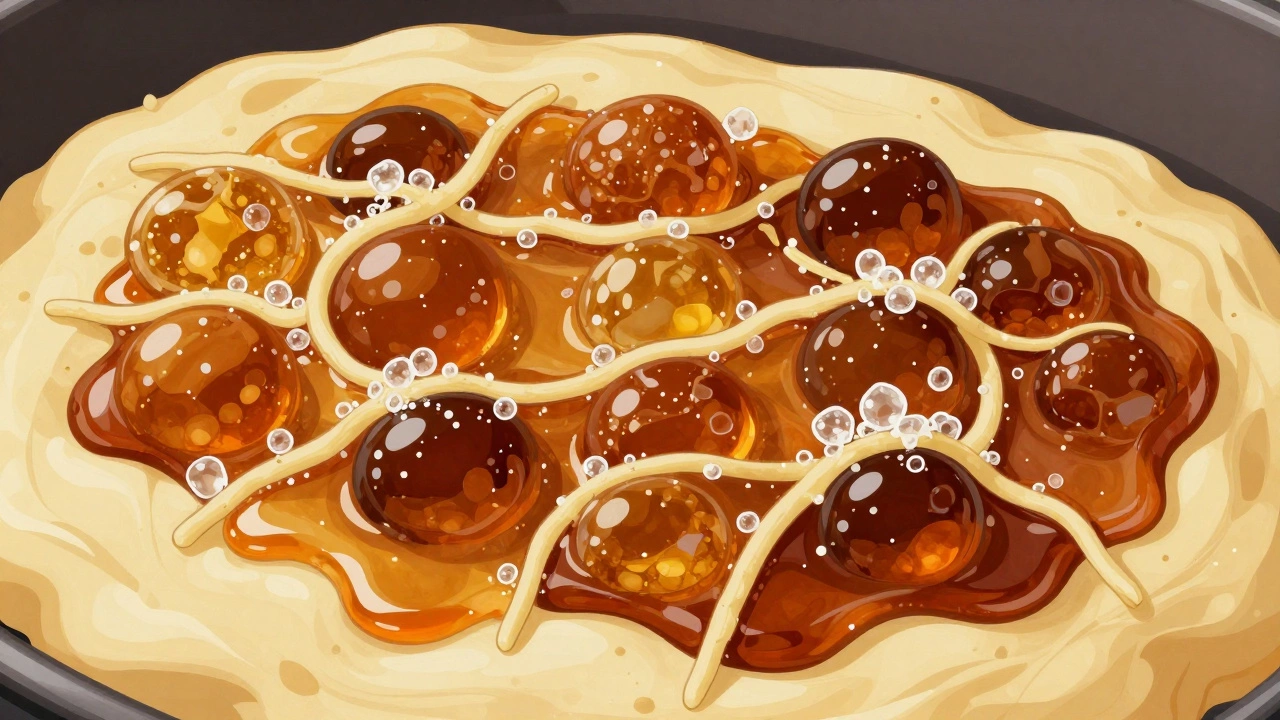
One of the most noticeable changes when baking without sugar is the appearance of the cookies. Have you noticed how commercial cookies have that deep, caramelized brown edge? That’s thanks to two chemical reactions: caramelization and the Maillard reaction.
Caramelization occurs when sugar heats up and breaks down into complex compounds, creating that nutty, toasted flavor and rich color. Without sugar, this reaction simply doesn’t happen. Your cookies will likely remain pale, almost beige, even if they are fully baked. They won’t have that appetizing contrast between the soft interior and the crispy, darkened edges.
The Maillard reaction is another browning process that involves amino acids (from proteins) and reducing sugars. While some proteins in flour and milk contribute to this, the abundance of sugar in a standard recipe accelerates it significantly. Less sugar means less browning. This isn't just an aesthetic issue; browning creates flavor. Pale cookies often taste bland or one-dimensional because they miss out on those roasted, caramel notes that balance the richness of the butter.
Mouthfeel and Moisture Retention
Sugar is hygroscopic, meaning it attracts and holds water. This property is vital for cookies, especially if you want them to stay soft for days after baking. Sugar acts like a sponge within the cookie matrix, trapping moisture released by the starches and fats during cooling.
When you bake without sugar, that moisture-retaining mechanism disappears. The result? Cookies that dry out quickly. They might feel moist straight out of the oven, but within hours, they can become brittle or hard. This is particularly problematic for recipes designed to be chewy. A sugar-free version of a chewy cookie will likely turn into a crunchy wafer unless you compensate with additional fats or humectants like honey or glycerin.
This also affects the "mouthfeel." Sugar provides a certain viscosity and smoothness that balances the grit of flour and the fat of butter. Without it, the texture can feel grainy or waxy, depending on what you use as a substitute. Pure fat-based cookies (like shortbread) rely on very little sugar, but they achieve their melt-in-your-mouth quality through high butter content and fine pastry flour, not sweetness.
How Substitutes Change the Game
If you’re avoiding sugar due to health concerns, diabetes, or dietary preferences, you’re probably using a substitute. But not all substitutes behave like sugar. Understanding the difference is key to getting decent results.
| Substitute | Sweetness Level | Browning Ability | Texture Impact | Best For |
|---|---|---|---|---|
| Erythritol | 70% as sweet as sugar | Poor (does not caramelize) | Can cause crumbling; cools mouth | Keto-friendly cookies |
| Allulose | 70% as sweet as sugar | Good (browns like sugar) | Similar to sugar; keeps moisture | Low-carb baking |
| Monk Fruit | 150-200x sweeter than sugar | No (needs bulking agent) | Depends on filler used | Zero-calorie options |
| Honey/Maple Syrup | Varies (often sweeter) | Excellent | Denser, moister, spreads more | Gourmet, rustic cookies |
| Stevia | 200-300x sweeter than sugar | No | None (pure extract); bitter aftertaste | Flavor enhancement only |
For example, erythritol is popular in keto baking because it has zero calories and doesn’t spike blood sugar. However, it doesn’t provide the bulk or browning that sugar does. Cookies made with pure erythritol often come out pale and crumbly. To fix this, bakers often blend it with almond flour or add extra egg yolks for binding.
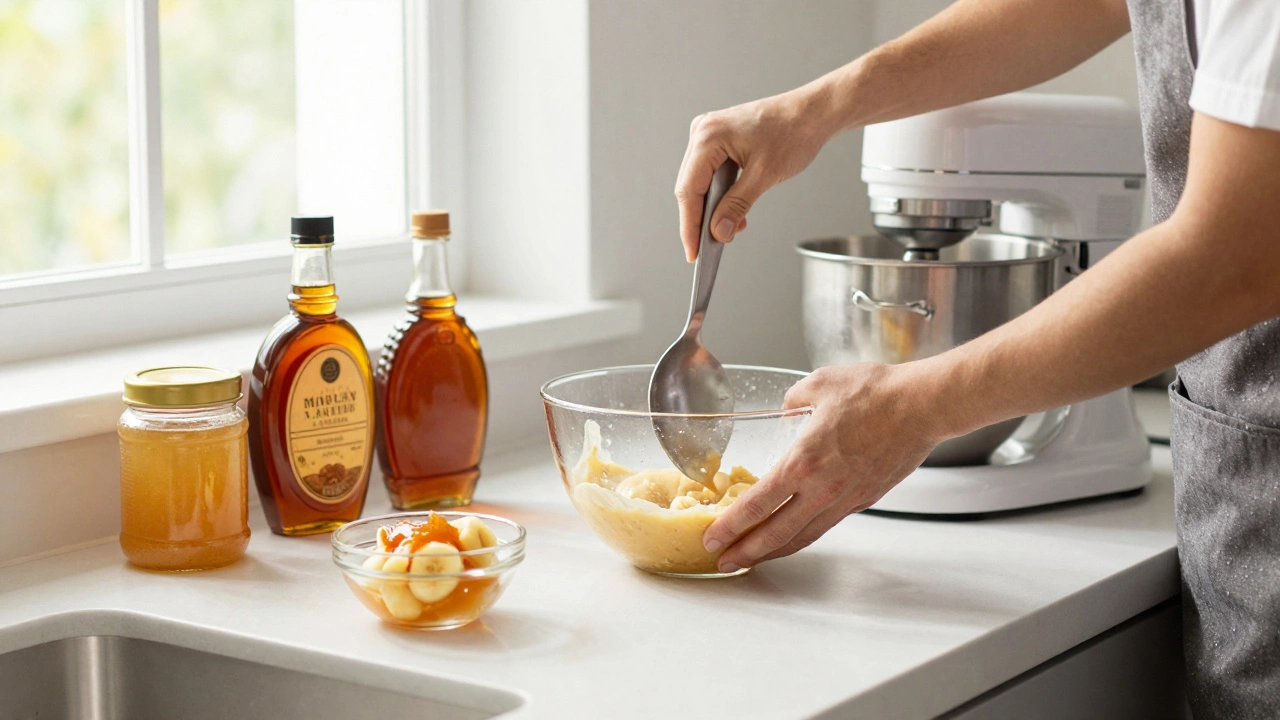
Allulose, on the other hand, is a newer player that actually browns and caramelizes similarly to regular sugar. It’s a better choice if you want your sugar-free cookies to look and feel traditional. Liquid sweeteners like honey or maple syrup add moisture and flavor but change the spread rate. Because they are liquids, you’ll need to reduce other wet ingredients in the recipe to prevent the dough from becoming too sticky and spreading into thin lace.
Practical Tips for Baking Without Sugar
If you decide to bake without traditional sugar, you can still achieve delicious results by adjusting your technique. Here are some actionable tips to keep your cookies from turning into hockey pucks:
- Boost the Fat: Since sugar provides tenderness, increase the butter or oil slightly. This helps mimic the mouthfeel and prevents toughness.
- Add Leavening: Without the air trapped by sugar, your cookies may need a helping hand. Add an extra pinch of baking soda or powder to encourage lift.
- Use Browned Butter: Browning your butter before mixing adds depth of flavor and color that compensates for the lack of caramelization from sugar.
- Incorporate Spices: Cinnamon, vanilla, cardamom, and nutmeg can trick the brain into perceiving more sweetness. They add complexity that makes the absence of sugar less noticeable.
- Chill the Dough: Cold dough spreads less in the oven. If your sugar-free dough seems loose, chill it for at least an hour to ensure thicker cookies.
- Don’t Overbake: Sugar-free cookies dry out faster. Pull them from the oven when they look slightly underdone in the center; they will firm up as they cool.
Remember, every substitution requires a tweak. There is no universal "swap 1 cup sugar for 1 cup stevia" rule. Stevia is a concentrate, so you’d use a teaspoon, not a cup. Always check the specific conversion charts for your chosen sweetener.
When Is It Okay to Skip Sugar?
Not all cookies rely heavily on sugar. Some styles actually benefit from lower sugar levels. Shortbread, for instance, is famous for its simplicity: flour, butter, and a small amount of sugar. The goal here is to highlight the buttery richness, not the sweetness. Reducing the sugar in a shortbread recipe can actually enhance the savory, creamy notes.
Similarly, spice cookies or ginger snaps often use molasses or brown sugar, which provide moisture and flavor beyond just sweetness. If you replace these with a neutral sweetener, you lose the distinctive taste profile. In these cases, it’s better to use a flavored alternative like coconut sugar or date paste, which bring their own character to the table.
However, for classic drop cookies-think chocolate chip, oatmeal raisin, or snickerdoodle-sugar is integral to the identity of the treat. Removing it entirely without proper substitution will yield a product that tastes more like a biscuit or a cracker. If you’re aiming for nostalgia, stick to the original ingredients. If you’re experimenting, embrace the new texture and flavor profile rather than trying to replicate the old one perfectly.
Will cookies still taste sweet without sugar?
Not necessarily. Regular sugar provides immediate sweetness. If you omit it completely without a substitute, the cookies will taste bland, primarily highlighting the flour and butter. If you use natural sweeteners like fruit purées or honey, they will retain some sweetness but with a different flavor profile.
Can I use artificial sweeteners in cookies?
Yes, but with caution. Artificial sweeteners like aspartame or saccharin do not provide bulk or browning. You must use them in combination with a bulking agent (like maltodextrin) to maintain texture. Also, many artificial sweeteners lose their sweetness at high temperatures, so your cookies might taste bitter instead of sweet.
Why did my sugar-free cookies spread too much?
Sugar helps stabilize the dough structure. Without it, the butter melts and flows more easily. To prevent excessive spreading, ensure your butter is cold, chill the dough before baking, and consider adding a tablespoon of cornstarch or extra flour to absorb excess moisture.
Is it healthy to bake cookies without sugar?
It depends on the substitutes. Replacing refined sugar with whole-food alternatives like dates or bananas adds fiber and nutrients. However, replacing sugar with large amounts of butter or heavy cream to compensate for texture can increase calorie and saturated fat content. Always consider the overall nutritional balance.
Do sugar-free cookies last longer?
Generally, no. Sugar acts as a preservative by binding water and inhibiting microbial growth. Sugar-free cookies tend to stale faster and dry out more quickly. Store them in an airtight container with a slice of bread to help retain moisture.