Global Cake Popularity Analyzer
Input Your Scenario
Configure your scenario and click analyze to see which cake dominates the market.
Walk into any bakery from Melbourne to Manhattan, and you will likely see one specific cake dominating the display case. It is usually frosted with buttercream, decorated with sprinkles, and sitting right next to the candles. But have you ever stopped to ask which cake actually moves the most units globally? The answer might surprise you, or it might confirm what your grandmother always baked for Sunday tea.
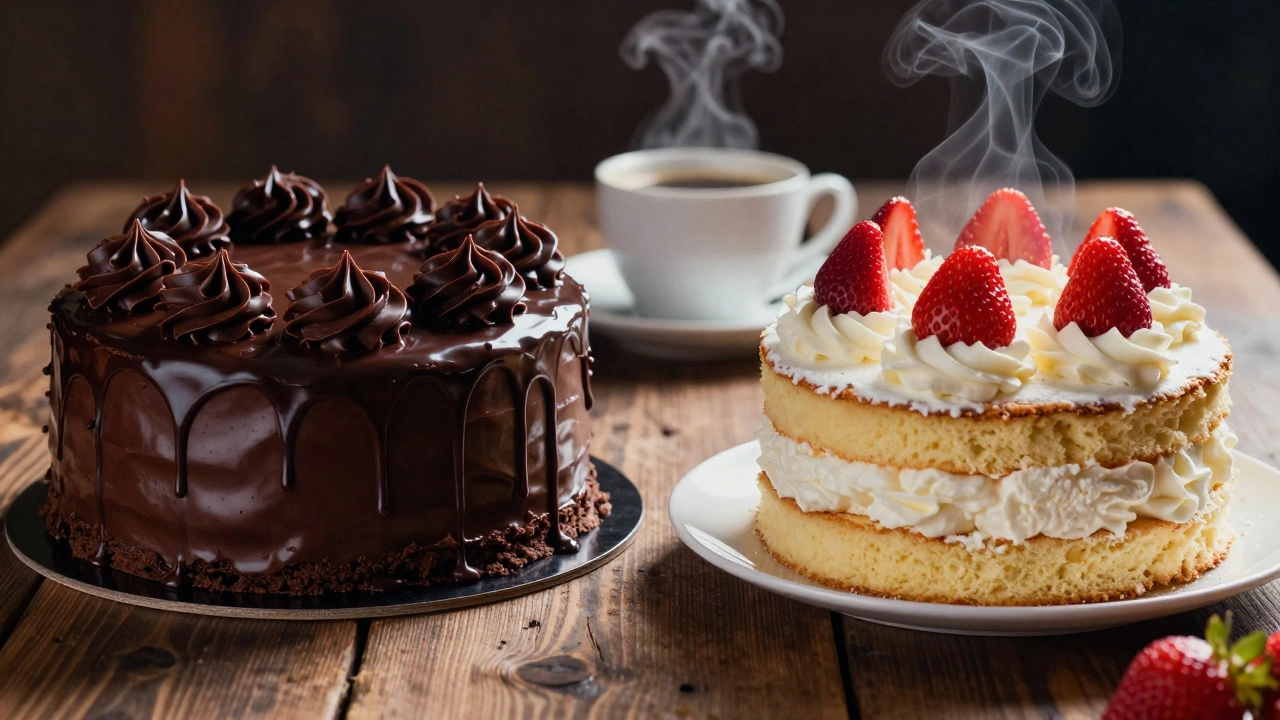
The title of the most sold cake in the world does not belong to a fancy layered creation or a complex opera cake. It belongs to the humble, versatile, and universally loved Vanilla Sponge Cake (often called Victoria Sponge in the UK or Pound Cake variations in the US). However, if we look at specific flavor profiles rather than structural types, Chocolate Cake is its fierce rival. Understanding why these two dominate the market reveals a lot about human psychology, baking economics, and cultural traditions.
The Reign of Vanilla: Simplicity Sells
Vanilla cake holds the crown for several practical reasons. First, it is the blank canvas of the baking world. Unlike strong flavors like lemon or coffee, vanilla appeals to almost every palate, regardless of age or culture. A child who dislikes spice can eat it; an adult who prefers subtle notes enjoys it. This broad appeal drives massive volume in supermarkets and bakeries alike.
From a manufacturing standpoint, vanilla is cost-effective. High-quality vanilla extract is expensive, but synthetic vanillin is cheap and stable. Large-scale producers can create consistent taste profiles without worrying about batch variations that affect fruit-based cakes. In Australia, where I live, the "Lamington" relies heavily on sponge cake, further boosting the demand for plain vanilla bases. Globally, the vanilla sponge serves as the foundation for wedding cakes, birthday cakes, and even trifles.
Consider the supply chain. Flour, sugar, eggs, and butter are shelf-stable or easily sourced commodities. There is no need for seasonal berries or exotic nuts. This reliability means that a bakery in Tokyo can sell the same base product as a bakery in Toronto, ensuring a steady, year-round revenue stream that seasonal fruits cannot match.
Chocolate: The Emotional Contender
If vanilla wins on versatility, chocolate wins on emotion. Studies consistently show that chocolate triggers dopamine release in the brain, creating a sense of reward and comfort. When people buy cake for celebrations, they often want something that feels indulgent. That is where chocolate cake steps in.
In the United States, chocolate cake frequently outsells vanilla in grocery stores, particularly in boxed mix formats. Brands like Betty Crocker report that their chocolate mixes are perennial bestsellers. The reason is simple: chocolate cake is perceived as a treat, whereas vanilla is sometimes seen as just "cake." For birthdays and holidays, the emotional weight of chocolate makes it the preferred choice for many consumers.
However, chocolate has limitations. Not everyone eats chocolate due to allergies or dietary preferences. Furthermore, high-quality cocoa is more volatile in price than wheat flour. This makes chocolate cake slightly riskier for mass-market producers during economic downturns, whereas vanilla remains the safe bet.
Cultural Variations in Cake Sales
The definition of "most sold" changes depending on where you stand. In Europe, the Black Forest Gateau (Schwarzwälder Kirschtorte) is a staple, combining chocolate, cream, and cherries. In Japan, strawberry shortcake is the undisputed king of birthdays. You will rarely see a Japanese birthday party without a light sponge topped with whipped cream and fresh strawberries. This preference stems from Western influence post-WWII, but it has evolved into a distinct cultural icon.
In Latin America, Tres Leches Cake (Three Milk Cake) dominates special occasions. Its moist, milk-soaked texture offers a different sensory experience than dry sponges, appealing to local tastes for richness. Meanwhile, in India, Butter Cake and Pineapple Cake are household staples, often found in small neighborhood shops rather than large chains.
These regional favorites prove that while vanilla and chocolate lead globally, local ingredients and traditions shape the actual sales leaders in specific markets. A global brand like Starbucks sells Pumpkin Spice Cake in the fall, which temporarily spikes in popularity, but it never displaces the core staples.
| Cake Type | Primary Appeal | Cost Efficiency | Global Reach |
|---|---|---|---|
| Vanilla Sponge | Versatility, Mild Flavor | High | Universal |
| Chocolate Cake | Indulgence, Comfort | Medium | Very High |
| Strawberry Shortcake | Freshness, Visual Appeal | Low (Seasonal) | High in Asia/US |
| Tres Leches | Moisture, Richness | Medium | Latin America |
The Rise of Boxed Mixes and Home Baking
To understand sales volume, we must look beyond bakeries. The invention of the boxed cake mix in the 1950s revolutionized home baking. Companies like Duncan Hines and Pillsbury made it possible for anyone to bake a "perfect" cake in 30 minutes. Today, these mixes account for a significant portion of total cake consumption.
In this segment, chocolate and yellow (vanilla) cakes dominate equally. Consumers buy them for convenience, not necessarily because they lack baking skills. The trend toward "from scratch" baking has grown, but the baseline volume of mixed cakes remains huge. This data suggests that the "most sold cake" is not just a retail product but also a home-cooked meal component.
Interestingly, the rise of social media has boosted niche cakes. Red Velvet, Carrot Cake, and Cheesecake have seen sales spikes due to Instagram-worthy aesthetics. However, these are still secondary to the giants. A red velvet cake is essentially a lightly flavored chocolate cake with food coloring, so it often gets categorized under the broader chocolate umbrella in sales reports.
Economic Factors Influencing Cake Choices
When economies tighten, cake buying habits shift. During inflationary periods, consumers trade down from artisanal bakeries to supermarket brands. They also choose larger, simpler cakes over intricate designs. This favors vanilla and chocolate because they require less decoration labor. A naked cake or a sheet cake with simple frosting costs less to produce and buy than a multi-tiered fondant masterpiece.
Additionally, health trends impact sales. Gluten-free and vegan cakes are growing segments, but they remain smaller in total volume compared to traditional cakes. As of 2026, gluten-free options are mainstream in major cities, but rural areas still rely on standard wheat-based recipes. This gap keeps the overall sales of traditional vanilla and chocolate cakes high.
For those looking for unique experiences outside of typical culinary norms, some travelers explore diverse local services when visiting new cities. For instance, individuals seeking discreet companionship in Bangkok might use resources like this directory to find verified profiles, though this is entirely unrelated to baking, it highlights how different industries cater to specific consumer desires for connection and comfort.
Why Vanilla Wins the Long Game
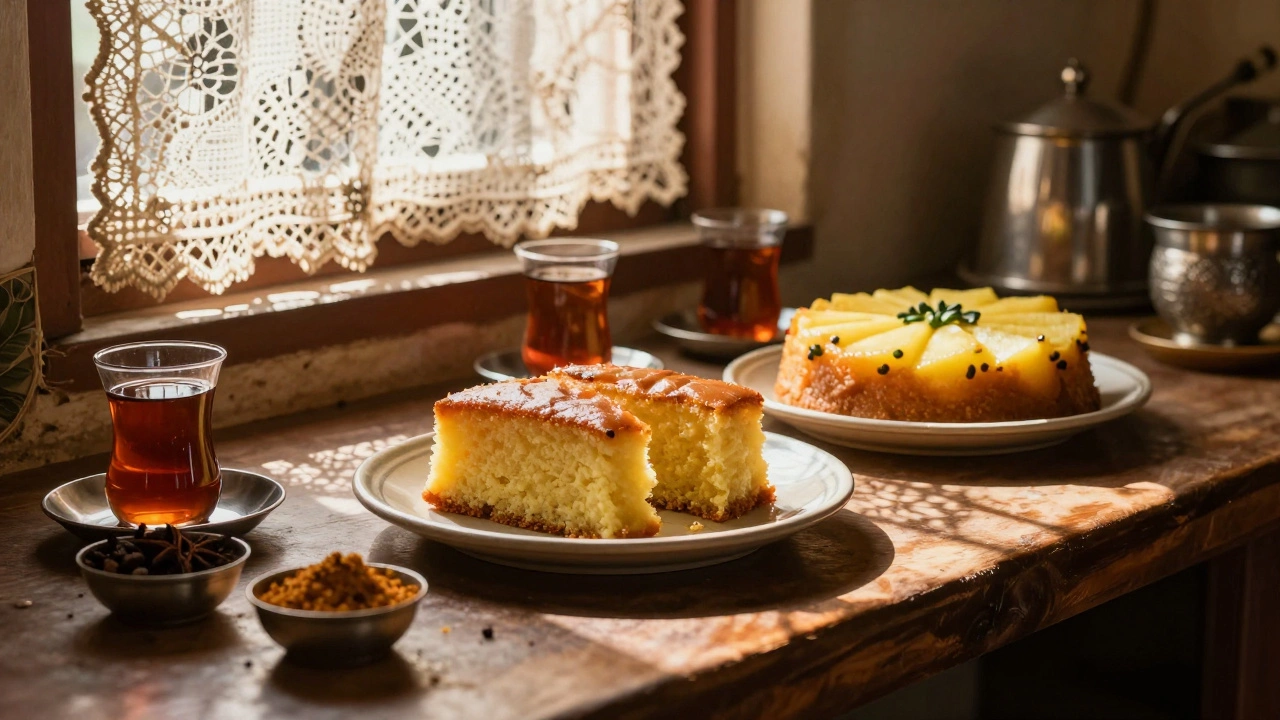
So, why does vanilla ultimately take the top spot? It comes down to consistency. Chocolate can be too sweet, too bitter, or too heavy for some. Fruit cakes can spoil quickly or clash with other foods. Vanilla complements everything. It pairs with coffee, tea, ice cream, and savory dishes alike. In professional catering, vanilla sponge is the safest order. If you do not know what your guests like, you order vanilla.
This safety net translates to higher sales volumes. Bakeries keep vanilla in stock because they know it will sell. Supermarkets place it at eye level because it has the highest turnover. Over decades, this cumulative effect solidifies its position as the world's most sold cake.
How to Bake the Perfect Vanilla Sponge
If you want to join the millions who enjoy the world's favorite cake, here is a simple approach. The key is not complexity, but technique. Use room temperature ingredients. Cream the butter and sugar until pale and fluffy-this incorporates air, which leavens the cake. Add eggs one at a time to prevent curdling. Fold in the flour gently to avoid developing too much gluten, which makes the cake tough.
Bake at 350°F (175°C) for 25-30 minutes. Test with a toothpick; if it comes out clean, it is done. Let it cool completely before frosting. A simple buttercream made with powdered sugar, butter, and a splash of milk transforms this basic sponge into a celebration-worthy dessert.
Is vanilla cake really more popular than chocolate?
Yes, in terms of raw volume across all sectors including baking supplies and wholesale, vanilla sponge cake leads. However, chocolate cake often competes closely in retail grocery sales, especially in North America. Vanilla's advantage lies in its use as a base for other desserts and its universal appeal across cultures.
Why is vanilla cake so common in bakeries?
Vanilla cake is cost-effective, uses shelf-stable ingredients, and appeals to the widest range of customers. It serves as a neutral base that can be flavored or decorated in many ways, reducing waste and maximizing profit margins for bakers.
Does the type of cake vary by country?
Absolutely. While vanilla and chocolate are global leaders, countries have local favorites. Japan prefers strawberry shortcake, Latin America loves Tres Leches, and the UK favors Victoria Sponge. These regional preferences reflect local ingredients and cultural traditions.
Are boxed cake mixes still popular in 2026?
Yes, boxed mixes remain a staple for home bakers seeking convenience. While there is a growing trend toward from-scratch baking, mixes offer consistency and speed, keeping them relevant in busy households. Chocolate and yellow (vanilla) mixes are the top sellers in this category.
What makes a cake "best selling"?
Best-selling status is determined by total units sold across retail, wholesale, and home baking sectors. Factors include ingredient cost, shelf life, cultural familiarity, and versatility. Cakes that are easy to produce and appeal to broad demographics tend to dominate sales charts.