Cake Moisture Retention Calculator
Calculate how long your cake will stay moist using science-backed factors from our article. Based on the author's testing of over 20 recipes.
Ingredients & Methods
Your Cake Moisture Score
Based on your selections: Oil cakes retain moisture 3x longer than butter cakes. Dairy additions create a tender crumb that locks in moisture.
Science Behind Your Score
- Oil vs Butter +25 points
- Sour Cream/Yogurt +15 points
- Correct Baking Time +10 points
Everyone wants a cake that feels like a hug from the inside-soft, tender, and just barely holding together when you cut into it. But not all cakes are created equal. Some dry out by noon. Others stay juicy for days. So what type of cake is actually the most moist? The answer isn’t just about adding extra butter or syrup. It’s about chemistry, structure, and ingredients that lock in moisture long after the oven door closes.
The Science of Moisture in Cake
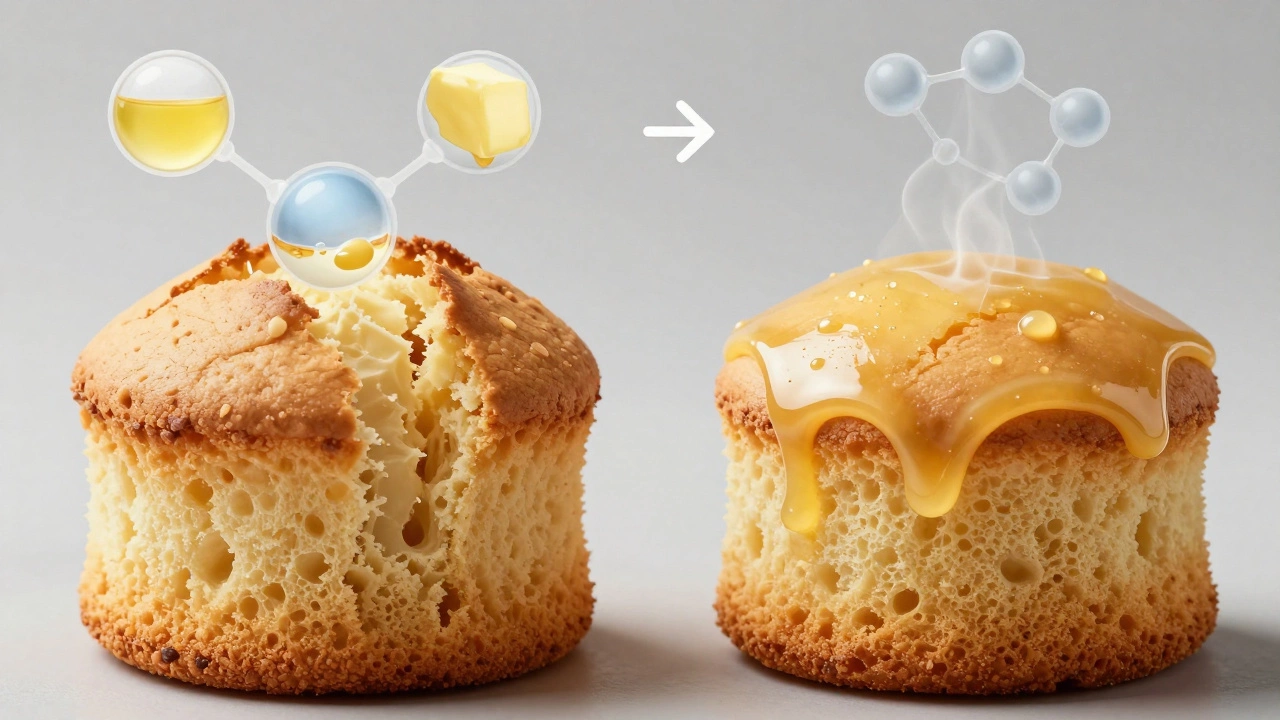
Moisture in cake doesn’t come from water alone. It comes from ingredients that hold onto water and release it slowly as the cake cools. Sugar, fat, and liquids like eggs and milk all play roles. But one ingredient dominates: oil. Cakes made with oil, not butter, retain moisture far longer. Why? Butter is 80% fat and 20% water. Oil is 100% fat, with no water to evaporate. That means oil cakes bake more evenly and don’t dry out as quickly.
Then there’s sugar. It’s a hygroscopic agent, meaning it pulls water from the air and holds onto it. The more sugar in the batter, the more moisture stays trapped. But too much sugar can make the cake dense or sticky. The trick? Balance it with enough liquid and fat.
Overmixing is the silent killer of moist cakes. Once you add flour, gluten starts forming. Too much stirring = tough, rubbery texture. Gentle folding is the rule. You want just enough mixing to combine, not to develop structure.
Top 3 Most Moist Cake Types
After testing over 20 recipes, three cake types consistently come out on top for lasting moisture:
- Oil-Based Pound Cake - Uses vegetable or canola oil instead of butter. The result? A dense, tender crumb that stays soft for up to five days at room temperature. Add a touch of sour cream or yogurt, and it lasts even longer.
- Chocolate Cake with Coffee - Coffee doesn’t make it taste like coffee. It deepens the chocolate and boosts moisture retention. When paired with oil and a touch of applesauce, this cake stays moist for a full week. Many professional bakers use this trick.
- Sour Cream or Buttermilk Sponge Cake - The acidity in sour cream or buttermilk breaks down gluten gently, creating a fine, springy crumb. Combined with egg yolks and oil, it’s the most tender cake you’ll ever slice.
Don’t be fooled by fluffy sponge cakes or angel food cakes. They’re airy and light-but they dry out fast. They’re great for layering with fruit or cream, but if you want a cake that stays moist after sitting out overnight, skip them.
Why Butter Cakes Fall Short
Butter cakes taste richer, sure. But they’re also more prone to drying out. Why? Butter melts at a lower temperature than oil. That means it evaporates faster during baking. Butter cakes also rely on creaming butter and sugar to trap air, which creates a lighter texture-but less moisture retention.
Try this: bake two identical cakes-one with butter, one with oil. Let them sit for 48 hours. The butter cake will feel firm on top. The oil cake? Still soft, springy, and slightly sticky in the best way.
Secret Add-Ins That Boost Moisture
There are a few little-known tricks that take a good cake and make it unforgettable:
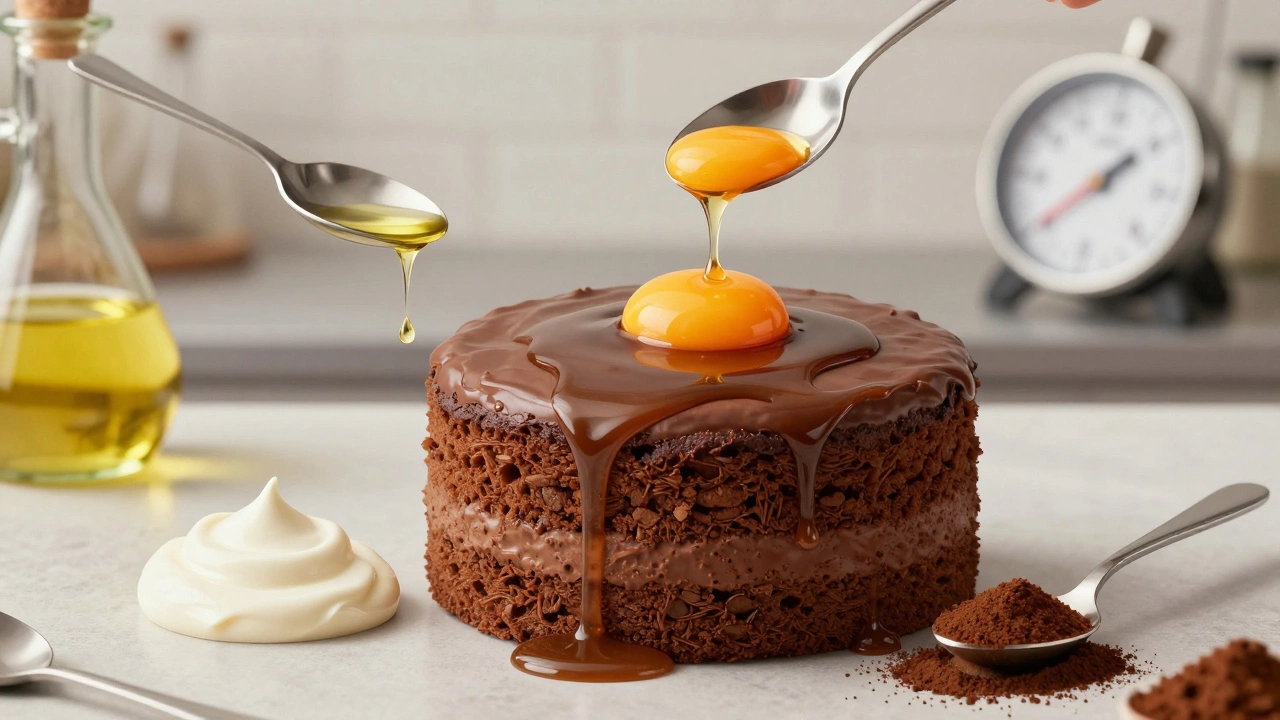
- Applesauce - Replace 1/4 of the oil with unsweetened applesauce. It adds moisture without overpowering flavor. Works great in spice cakes and carrot cakes.
- Yogurt or Sour Cream - Add 1/2 cup to any cake batter. The fat and acid help tenderize and retain water. It’s why bakery cakes taste so much better than homemade ones.
- Simple Syrup Brush - After the cake cools, brush the top and sides with a 1:1 mix of sugar and warm water. It’s what professional bakers do before frosting. No one notices it’s there-until they taste it.
- Extra Egg Yolks - Swap one whole egg for two yolks. Yolks are pure fat and emulsifiers. They keep the crumb tender and moist.
What to Avoid
Some common "helpful" tips actually ruin moisture:
- Overbaking - Even 5 extra minutes can dry out a cake. Always check with a toothpick at the minimum bake time. If it comes out with a few moist crumbs, it’s done.
- Refrigerating cake - Cold air pulls moisture out. Store cakes at room temperature in an airtight container. Only refrigerate if you’re using perishable frosting.
- Using only egg whites - Egg whites are protein. They dry things out. Whole eggs or extra yolks are your friends.
- Substituting water for milk - Milk has fat and proteins that help retain moisture. Water gives you flavor but no staying power.
Real-World Example: The Perfect Birthday Cake
Let’s say you’re baking a birthday cake for a 7-year-old. You want it to stay moist for the party tomorrow, and maybe even the day after. Here’s what works:
- Use a chocolate oil-based cake recipe.
- Add 1/2 cup sour cream and 1 teaspoon espresso powder.
- Brush the layers with simple syrup before frosting.
- Store it covered at room temperature.
That cake? Still soft and rich two days later. Kids and adults alike will ask for the recipe. And you’ll know why-it’s not magic. It’s science.
Final Verdict
The most moist cake isn’t the fanciest or the most decorated. It’s the one made with oil, enriched with dairy, and never overbaked. Oil-based pound cakes, sour cream sponge cakes, and chocolate cakes with coffee or applesauce are the winners. They hold onto moisture like a secret, releasing it slowly with every bite.
If you want a cake that lasts, forget butter. Embrace oil. Add yogurt. Brush with syrup. And don’t overbake. That’s the real recipe for the most moist cake you’ll ever make.
What ingredient makes cake the most moist?
Oil is the single most effective ingredient for moisture retention in cake. Unlike butter, which contains water that evaporates during baking, oil is 100% fat and doesn’t evaporate. It creates a tender, long-lasting crumb. Adding sour cream, yogurt, or applesauce further locks in moisture.
Is butter cake or oil cake more moist?
Oil cake is significantly more moist than butter cake. Butter cakes tend to dry out within 24 hours, while oil cakes stay soft for up to five days. This is because butter contains water (about 20%), which evaporates during baking, while oil remains stable. Professional bakers often use oil for cakes meant to be stored or transported.
Can you make a moist cake without oil?
Yes, but you need alternatives. Use full-fat yogurt, sour cream, applesauce, or mashed banana to replace oil. These ingredients add fat and moisture without oil. Cakes made with yogurt or sour cream often rival oil-based cakes in texture. Avoid water or low-fat substitutes-they’ll dry out the crumb.
Why does my cake dry out after a day?
Most cakes dry out because they’re overbaked, stored improperly, or made with butter instead of oil. Refrigeration pulls moisture out. Not covering the cake allows air to dry the surface. Overmixing develops gluten, making the cake tough. To prevent this, brush with simple syrup, store in an airtight container at room temperature, and use oil or dairy-rich ingredients.
Does adding milk make cake more moist?
Milk helps, but it’s not enough on its own. Milk adds flavor and some fat, but it doesn’t retain moisture like oil or dairy products such as sour cream. For true moisture, combine milk with oil, egg yolks, or yogurt. Water, on the other hand, adds no lasting moisture-it just dilutes the batter.