Cheese Freezer Suitability Checker
Select a cheese type below to see if it survives the freezer and how best to use it after thawing.
Click on a cheese card above to view details.
You just bought a premium block of Brie or a tub of fresh Ricotta for that weekend project, but life got busy. Now you’re staring at the fridge, wondering if you should toss it in the freezer to save it for later. It’s a common dilemma, but here is the harsh truth: freezing cheese isn’t a universal fix. In fact, doing it wrong can turn your creamy delight into a crumbly, watery mess that ruins the dish you planned.
The issue isn’t safety-frozen cheese is perfectly safe to eat-it’s about physics. Cheese is an emulsion of fat, water, and protein. When you freeze it, ice crystals form inside the structure. These crystals act like tiny knives, slicing through the delicate protein matrix. When you thaw the cheese, those broken structures can’t hold the moisture back in, leading to separation. You end up with a product that tastes okay but feels gritty, grainy, or slimy. For some cheeses, this change is acceptable for cooking; for others, it’s a disaster.
The General Rule: Moisture Content Matters Most
If you remember one thing, make it this: the higher the moisture content, the worse the cheese handles freezing. Hard cheeses are dense and dry, meaning there is less water to form large, damaging ice crystals. Soft, fresh cheeses are packed with water, making them highly susceptible to structural collapse. Think of it like freezing lettuce versus freezing a carrot. The lettuce turns to mush; the carrot stays crunchy. Cheese follows similar logic.
This distinction dictates whether you should reach for the freezer bag or the trash bin. If you are planning to melt the cheese later, you have more flexibility. If you plan to eat it raw on a board, you need to be much stricter. Let’s break down the specific types so you never ruin another batch of ingredients.
Soft Cheeses That Should Never Freeze
These are the heavy hitters of the dairy world when it comes to texture sensitivity. If you value the creamy, spreadable nature of these items, keep them out of the freezer.
| Cheese Type | Moisture Level | Freezing Result | Best Use After Thawing |
|---|---|---|---|
| Mascarpone | Very High | Separates into liquid and solids; loses creaminess | None (discard) |
| Ricotta | High | Becomes grainy and watery | Cooked dishes only (lasagna) |
| Cream Cheese | High | Crumbly and difficult to spread | Baked goods (cheesecake) |
| Feta | Medium-High | Brittle and salty-tasting | Crumbling over salads |
| Brie/Camembert | High | Rind separates from paste; texture becomes chalky | Baked brie only |
Mascarpone is the prime example of what not to freeze. This Italian cream cheese is essential for Tiramisu. Its structure relies entirely on high-fat cream that has been gently curdled. Freezing mascarpone causes the fat to separate from the whey. Once thawed, it looks like scrambled eggs mixed with water. No amount of whisking will bring it back to its silky state. If you made too much Tiramisu filling, store it in the fridge, not the freezer.
Ricotta faces a similar fate. While you can technically freeze it, the texture shifts from smooth and fluffy to grainy and wet. If you are using ricotta for a no-bake cheesecake or eating it with honey and fruit, freezing ruins it. However, if you are stuffing ravioli or mixing it into a lasagna where it will be cooked and blended with other ingredients, the texture change matters less. The heat helps re-emulsify the fats slightly, masking the graininess.
Cream Cheese is tricky. Many people freeze blocks of cream cheese for baking. This works because baking involves high heat and mixing, which can hide the crumbly texture. But if you want to frost a cake or make a dip, frozen-then-thawed cream cheese will feel gritty between your teeth. It simply won’t whip up smoothly again.
Hard Cheeses That Handle Freezing Well
On the other end of the spectrum, we have the aged, low-moisture champions. These cheeses have had most of their water removed during the aging process. Less water means fewer ice crystals, which means less structural damage.
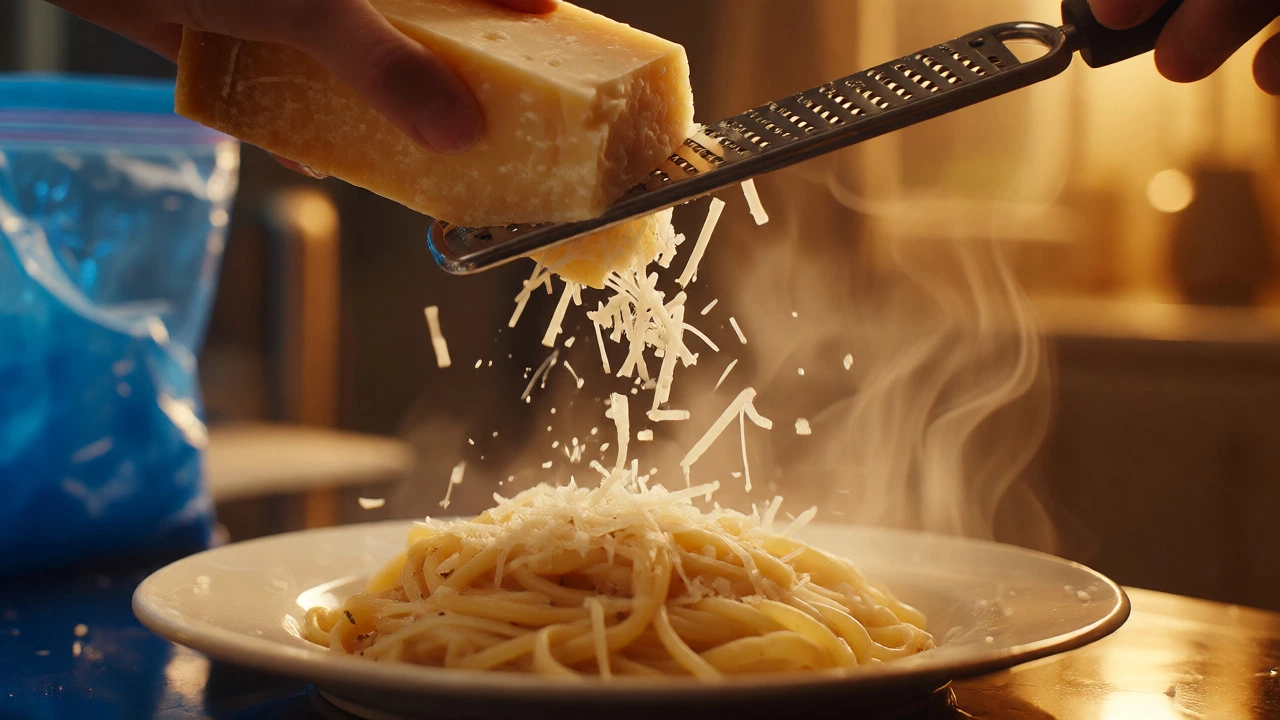
Cheddar, Gouda, and Parmesan are excellent candidates for the freezer. If you buy a large block of Parmigiano-Reggiano and know you won’t finish it before it molds, grate it first. Grating increases the surface area, allowing it to freeze quickly and evenly. Store the grated cheese in an airtight container. When you need it, sprinkle it directly onto hot pasta or pizza. The residual heat melts it instantly, and you’ll barely notice the difference in texture compared to fresh-grated cheese.
Block cheddar also survives well, though it may become slightly more crumbly. This makes it perfect for melting in grilled cheese sandwiches or mac and cheese. Just avoid trying to slice it thinly for a charcuterie board after thawing. It tends to shatter rather than slice cleanly. Pre-slicing it before freezing can help, as you can grab exactly what you need without thawing the whole block.
The Semi-Hard Gray Area
Some cheeses fall in the middle, like Mozzarella and Swiss. Fresh mozzarella balls stored in brine do not freeze well. They release too much water and become rubbery. However, low-moisture mozzarella-the kind sold in logs for pizza-freezes surprisingly well. Slice or shred it before freezing. When baked on a pizza, it melts almost identically to fresh cheese. The key is ensuring it is fully thawed and patted dry before putting it in the oven, otherwise, you get a soggy crust.
Swiss and Provolone behave similarly. They are dense enough to withstand the freezing process better than soft cheeses, but they lose some elasticity. Use them for melting purposes, such as in paninis or casseroles. Do not expect them to retain the smooth, pliable texture required for rolling up cold cuts.
How to Freeze Cheese Correctly
If you decide a cheese is worth saving, technique matters. Improper wrapping leads to freezer burn, which dries out the exterior and introduces off-flavors. Here is the step-by-step method to minimize damage:
- Portion it out: Don’t freeze a massive block if you only use small amounts. Cut it into usable sizes. For hard cheeses, grating or slicing beforehand saves time later.
- Wrap tightly: Use plastic wrap or wax paper to hug the cheese closely. Squeeze out as much air as possible. Air is the enemy here.
- Add a second layer: Place the wrapped cheese in a heavy-duty freezer bag or vacuum-seal it. Removing all oxygen prevents oxidation and freezer burn.
- Label clearly: Write the date and type of cheese. Most frozen cheeses maintain quality for 2-3 months. Beyond that, flavor degradation sets in.
- Thaw slowly: Move the cheese to the refrigerator 24 hours before you plan to use it. Rapid thawing in the microwave or on the counter causes uneven temperature changes, exacerbating texture issues.
What To Do With Thawed Cheese
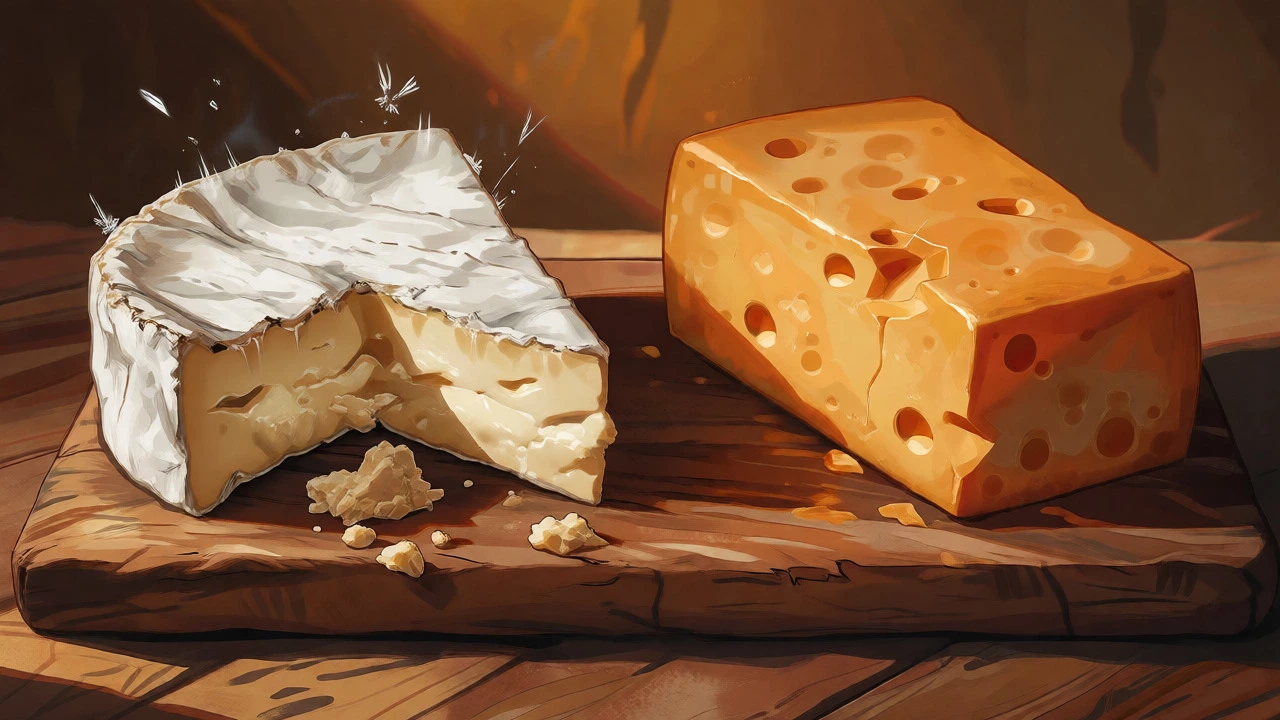
Once your cheese has thawed, inspect it. If liquid has pooled around it, drain it off. You might find the texture is different than expected. Don’t force it into a role it can’t play. If your frozen Cheddar is crumbly, don’t try to make a fancy cheese ball. Instead, throw it into a pot of soup, a stir-fry, or a quiche. Heat is your friend when dealing with compromised textures. Cooking breaks down the damaged proteins and integrates the fat back into the sauce or batter.
For soft cheeses that didn’t survive well, consider repurposing them. Grainy Ricotta can still work in sweet pancakes or muffins. Separated Mascarpone might salvage itself in a coffee drink if blended thoroughly, though it’s risky. Honestly, if the texture is bad, compost it or feed it to pets if safe. Sometimes, paying $5 for fresh cheese is cheaper than ruining a $20 dessert.
Special Note: Tiramisu and Dairy Stability
Since you mentioned Tiramisu, let’s address the elephant in the room. Traditional Tiramisu uses raw eggs and Mascarpone. Neither freezes well individually. The egg yolks can curdle upon reheating or thawing, and the Mascarpone separates. While some modern recipes suggest freezing individual portions of assembled Tiramisu, the result is often icy and lacks the airy lightness of the original. If you must prep ahead, assemble the layers with soaked ladyfingers and refrigerate for up to 48 hours. Add the dusting of cocoa powder right before serving. Freezing assembled Tiramisu is generally discouraged by pastry chefs for the best sensory experience.
Can I freeze shredded cheese?
Yes, shredded cheese freezes very well. The small size allows it to freeze quickly, minimizing ice crystal formation. Store it in an airtight bag or container. You can use it straight from the freezer in cooked dishes like pizzas, casseroles, or mac and cheese. There is no need to thaw it completely before cooking.
Does freezing change the taste of cheese?
Freezing primarily affects texture rather than flavor. However, prolonged freezing can lead to subtle flavor changes due to oxidation or absorption of odors from the freezer. Strong-smelling foods nearby can permeate the cheese if not wrapped properly. Always use double-layer protection to preserve the original taste profile.
Why did my frozen cream cheese become watery?
This happens because ice crystals rupture the protein network holding the water in place. When the cheese thaws, the water leaks out, separating from the fat and solids. This is known as syneresis. It is a natural physical reaction, not a sign of spoilage. Draining the excess liquid can help, but the texture will remain grainy.
Is it safe to eat cheese that was frozen twice?
From a safety standpoint, yes, provided it was kept at proper temperatures. However, each freeze-thaw cycle degrades the texture further. A cheese frozen twice will likely be significantly more crumbly and watery than one frozen once. It is best reserved for heavily cooked applications where texture is masked.
Can I freeze yogurt-based cheeses?
Yogurt-based cheeses like Labneh or strained Greek yogurt suffer greatly from freezing. They tend to separate severely and develop a sour, metallic taste after thawing. Their delicate probiotic cultures may also die off during the freezing process. It is best to consume these fresh within their refrigerated shelf life.