Vegan Wine Fining Agent Checker
Click on the cards below to learn about specific fining agents used in winemaking. This tool helps you distinguish between traditional animal-derived clarifiers and modern vegan-friendly alternatives.
Egg Whites
Non-VeganTraditional red wine softener
Isinglass
Non-VeganFish bladder for white wines
Gelatin
Non-VeganAnimal bone/skin derivative
Casein
Non-VeganMilk protein for browning
Bentonite Clay
Vegan-FriendlyVolcanic ash mineral
Pea Protein
Vegan-FriendlyPlant-based alternative
Select an Agent Above
Click on any card to see detailed information about how this substance affects wine clarity and its suitability for vegans.
You’re at a dinner party, the bottle is open, and you pour yourself a generous glass of red. It looks clear, it smells like grapes, and logically, it should be plant-based. But here’s the twist: that beautiful Cabernet Sauvignon might have been filtered through fish bladder or egg whites. If you’ve ever stared at a wine label wondering why it doesn’t say "suitable for vegans," you aren’t alone. The process of making wine is surprisingly industrial, and while the juice comes from vines, the path to clarity often involves animal byproducts.
The Problem with Cloudy Wine
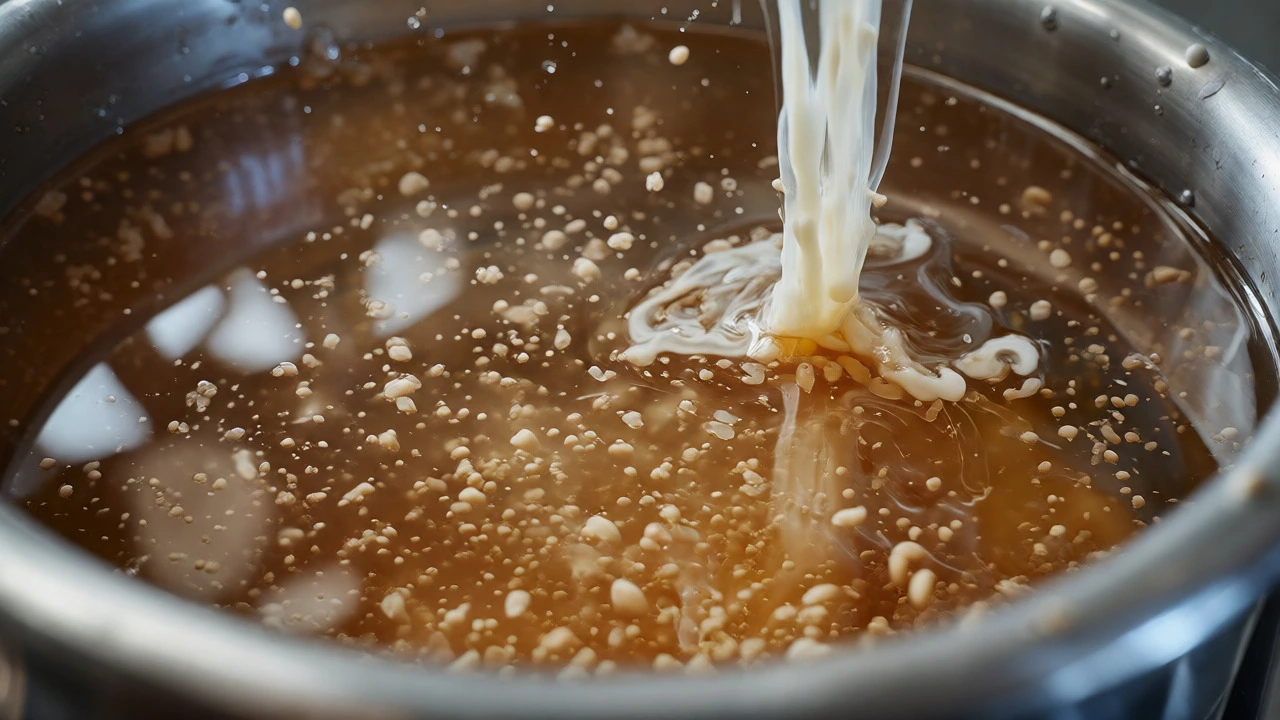
Freshly fermented wine isn’t crystal clear. It’s full of suspended solids-yeast cells, proteins, tannins, and tartrate crystals. To the winemaker, this cloudiness is a defect. Consumers expect bright, sparkling clarity. If you leave wine alone long enough, these particles will settle naturally, a process called "racking." But waiting takes time, and time costs money. So, most commercial producers speed up the process using fining agents. Think of it like adding a magnet to iron filings; the agent grabs the floating debris and pulls it down.
This is where the animal connection happens. Many of the most effective fining agents are derived from animals. They aren’t added for flavor; they are processing aids. The law in many countries, including Australia and the US, doesn’t always require them to be listed on the label because they are considered removed during filtration. But "removed" doesn’t always mean "gone." Microscopic residues can linger, which matters if you are strictly vegan or have allergies.
The Usual Suspects: Animal-Derived Fining Agents
If you want to avoid animal products in your wine, you need to know what’s hiding in the filtration tank. Here are the four big offenders you’ll encounter most often.
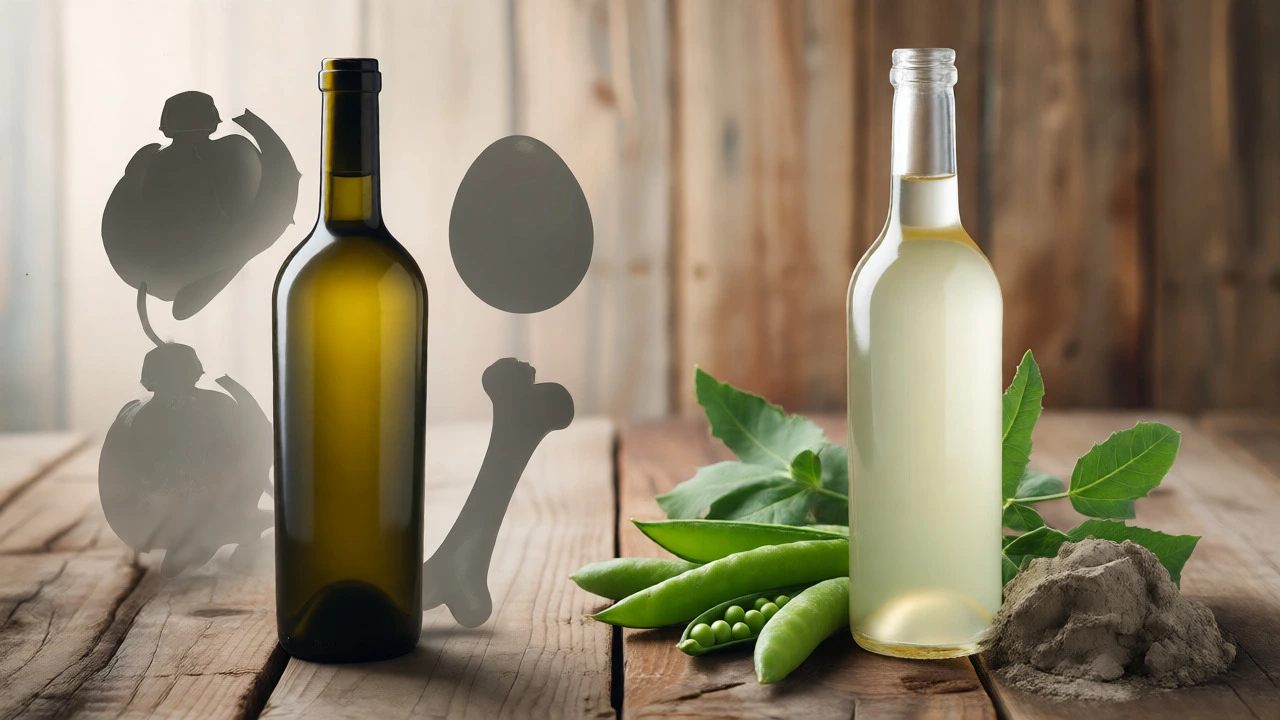
- Egg Whites (Albumen): This is the traditional method for fine-tuning red wines. Egg whites are rich in protein, which binds aggressively to harsh tannins. It softens the mouthfeel, making the wine smoother. You’ll often see terms like "egg white fining" in premium Bordeaux-style blends. While the eggs themselves don’t end up in the glass, the residue does.
- Isinglass: Don’t let the fancy name fool you-it’s essentially dried swim bladders of fish, usually sturgeon. Isinglass is incredibly efficient at clearing white wines quickly without stripping away delicate aromas. Because it works fast and cheap, it’s ubiquitous in mass-market whites and rosés.
- Gelatin: Made from boiling animal bones and skin (usually pork or beef), gelatin is a powerful clarifier. It’s less common than egg whites or isinglass in high-end wines because it can strip too much color and flavor if not handled carefully. However, it’s still widely used in budget-friendly bottles.
- Casein: A milk protein, casein is often used to remove browning in white wines. If you see a white wine that has turned slightly brownish due to oxidation, a splash of casein can fix it. For those avoiding dairy, this is a hidden trap.
Plant-Based and Mineral Alternatives
So, how do you get clear wine without killing a cow or gutting a fish? Winemakers have options. In fact, the rise of veganism has pushed the industry toward mineral and plant-based solutions. Bentonite clay is one of the most popular alternatives. It’s a type of volcanic ash that swells when wet, trapping proteins and yeast. It’s completely inert, meaning it doesn’t add flavor, and it’s easy to filter out.
Pea protein is another rising star. It functions similarly to egg whites but comes from legumes. It’s gaining traction because it’s sustainable and allergen-friendly compared to nuts or gluten. Some producers also use activated charcoal or silica gel. These methods are more hands-on and can alter the wine’s texture, so they require skilled winemaking. That’s why you’ll often find these techniques in smaller, artisanal vineyards rather than massive industrial plants.
Natural Wine and the "Unfined" Movement
There’s a growing segment of the market called "Natural Wine." These producers reject interventionism. They don’t add yeasts, acids, or sugar, and crucially, they often skip fining altogether. Their wines are labeled "unfined and unfiltered." When you buy an unfined wine, you’re guaranteed it’s vegan because no animal agents were introduced. However, there’s a catch: these wines can look cloudy. If you’re used to supermarket clarity, a hazy orange wine might shock you. But taste-wise, many enthusiasts argue that skipping fining preserves more of the grape’s character.
In Melbourne, we’ve seen a surge in low-intervention wineries embracing this approach. Places in the Yarra Valley and Mornington Peninsula are increasingly labeling their bottles with clear vegan certifications. It’s a sign that transparency is becoming a selling point, not just a niche feature.
How to Spot Vegan Wine on the Label
Reading wine labels can feel like deciphering ancient runes. There is no universal legal requirement to state "vegan" on a wine bottle globally. However, several cues can help you make safer choices.
| Label Term | Likely Status | Why? |
|---|---|---|
| Certified Vegan Logo | Safe | Third-party audited (e.g., Vegan Society, Barnivore). |
| Unfined / Unfiltered | Usually Safe | No fining agents were used, so no animal products entered the process. |
| Natural / Biodynamic | Likely Safe | Philosophy often excludes animal inputs, but check specific producer notes. |
| Traditional Method | Risky | Classic regions (Bordeaux, Burgundy) historically rely on egg/isinglass. |
| No Label Indication | Unknown | Assume non-vegan unless the brand explicitly states otherwise. |
Your best friend in this hunt is digital tools. Websites like Barnivore allow you to search thousands of brands to see their current fining practices. Producers change methods frequently, so a wine that was vegan last year might switch to egg whites this vintage to handle a particularly tannic harvest. Always double-check if you’re buying in bulk.
Does Fining Change the Taste?
This is the million-dollar question for sommeliers. Purists argue that fining strips wine of its soul. By removing proteins and tannins, you also remove texture and complexity. A heavily fined wine might taste cleaner but flatter. An unfined wine retains more grip and depth. From a sensory perspective, many blind tastings show that consumers prefer the fuller body of unfined wines, even if they initially hesitate at the haze.
For the vegan consumer, the choice is ethical first, gustatory second. But happily, modern alternatives like bentonite and pea protein minimize flavor impact. You don’t have to sacrifice quality for ethics anymore. The gap between "vegan-safe" and "delicious" has closed significantly in the last decade.
Pairing Vegan Wine with Desserts
Since you’re interested in vegan desserts, let’s talk pairing. Sweet wines often use different fining protocols. Sauternes, for example, traditionally uses egg whites. But if you’re serving a rich coconut cream panna cotta or a dark chocolate avocado mousse, you need a wine that won’t clash. Look for late-harvest Rieslings or Moscato d’Asti that specify vegan certification. The acidity cuts through the fat of vegan butter or coconut oil, creating a balance similar to traditional pairings.
Remember, dessert wine isn’t just about sweetness; it’s about intensity. If your wine has been over-fined, it might lack the structure to stand up to a dense fudge brownie. Choose wines with some residual tannin or high acidity. A lightly chilled red Beaujolais Nouveau (check the label!) can actually work wonders with berry-based vegan crumbles.
Frequently Asked Questions
Are all wines vegan?
No, most conventional wines are not vegan. While the base ingredient is grapes, the clarification process often uses animal-derived fining agents like egg whites, isinglass (fish bladder), gelatin, or casein (milk protein). Unless a bottle is explicitly labeled vegan or unfined, assume it may contain trace animal products.
What is isinglass and why is it used in wine?
Isinglass is a substance obtained from the dried swim bladders of fish, primarily sturgeon. It is used as a fining agent because it is highly effective at clarifying white wines and champagne quickly. It binds to suspended yeast and bacteria, causing them to clump together and settle to the bottom, where they are removed before bottling.
Does vegan wine taste different from regular wine?
It depends on the method used. Wines fined with mineral alternatives like bentonite clay taste virtually identical to traditionally fined wines. However, unfined and unfiltered natural wines may appear cloudy and have a slightly fuller, more textured mouthfeel because the natural proteins and tannins haven't been stripped away. Most drinkers cannot distinguish between vegan and non-vegan wines in blind tests if both are properly made.
How can I tell if a wine is vegan without calling the winery?
Look for third-party certification logos such as the Vegan Society sunflower symbol or the Certified Vegan logo. Additionally, search databases like Barnivore, which track the vegan status of thousands of alcohol brands. Terms like "unfined" or "unfiltered" on the back label are strong indicators that no animal products were used in the production process.
Why isn't the fining agent listed on the wine label?
In many jurisdictions, including Australia and the EU, fining agents are considered processing aids rather than ingredients. Since the majority of the agent is removed during filtration, regulations often do not require them to be declared on the label. This is why checking for explicit vegan claims or using external verification tools is necessary for strict vegans.