Brownie Perfection Calculator
Ready to Analyze
Enter details above
Analysis & Recommendations
You’ve just pulled a pan of brownies is a dense, fudgy chocolate bar cookie that relies on the balance of fat, sugar, and flour for its texture. out of the oven. They smell incredible. You cut one, it’s warm, gooey, and looks perfect. But then you take a bite, and something feels... off. Maybe it’s too cakey, maybe the chocolate flavor hasn’t fully hit yet, or perhaps the texture isn’t quite right. You shrug it off, cover the rest, and forget about them. The next morning, you grab one of those leftover bars, and suddenly-magic. The chocolate is deeper, the texture is richer, and every bite is better than the first. It’s not your imagination. There is actual food science happening in that Tupperware container while you sleep.
The Moisture Migration Effect
The primary reason brownies improve overnight has to do with water movement. When you bake brownies, the heat causes the water in the batter to turn into steam. This steam escapes through the top, creating that characteristic cracked crust, but a significant amount of moisture remains trapped inside the crumb structure. Immediately after baking, this moisture distribution is uneven. The center might be wetter than the edges, and the air pockets created by leavening agents (or lack thereof) are still expanding as they cool.
As the brownies sit at room temperature, a process called moisture migration is the physical movement of water molecules from areas of high concentration to low concentration within food products. takes place. Water moves from the wetter parts of the brownie to the drier parts. This equalization creates a more uniform texture throughout the entire bar. Instead of having dry edges and a soggy middle, you get a consistent, dense chewiness. This is why day-old brownies often feel "fudgier" even if they were slightly under-baked initially. The moisture redistributes, binding the ingredients together more tightly.
Starch Retrogradation and Texture Changes
Another critical factor is what happens to the starches in the flour. When you bake brownies, the heat gelatinizes the starch granules, absorbing water and swelling up. This gives the fresh brownie its initial structure. However, as the brownie cools and sits, these starch molecules begin to reassociate and form crystalline structures. This process is known as starch retrogradation is the recrystallization of amylose and amylopectin chains in cooked starches as they cool and age.. While retrogradation is usually associated with staling bread (making it hard), in brownies, it contributes to a denser, more cohesive texture. Because brownies have a high ratio of fat and sugar to flour, this retrogradation happens slowly and subtly, enhancing the chew rather than making the product tough.
This textural shift is why many professional bakers recommend letting brownies cool completely before cutting, and ideally waiting until the next day. The structural integrity improves, allowing you to get cleaner cuts without crumbling. If you try to slice hot brownies, they often fall apart because the starch network hasn’t set firmly enough to hold the shape against the knife.
Flavor Compound Development
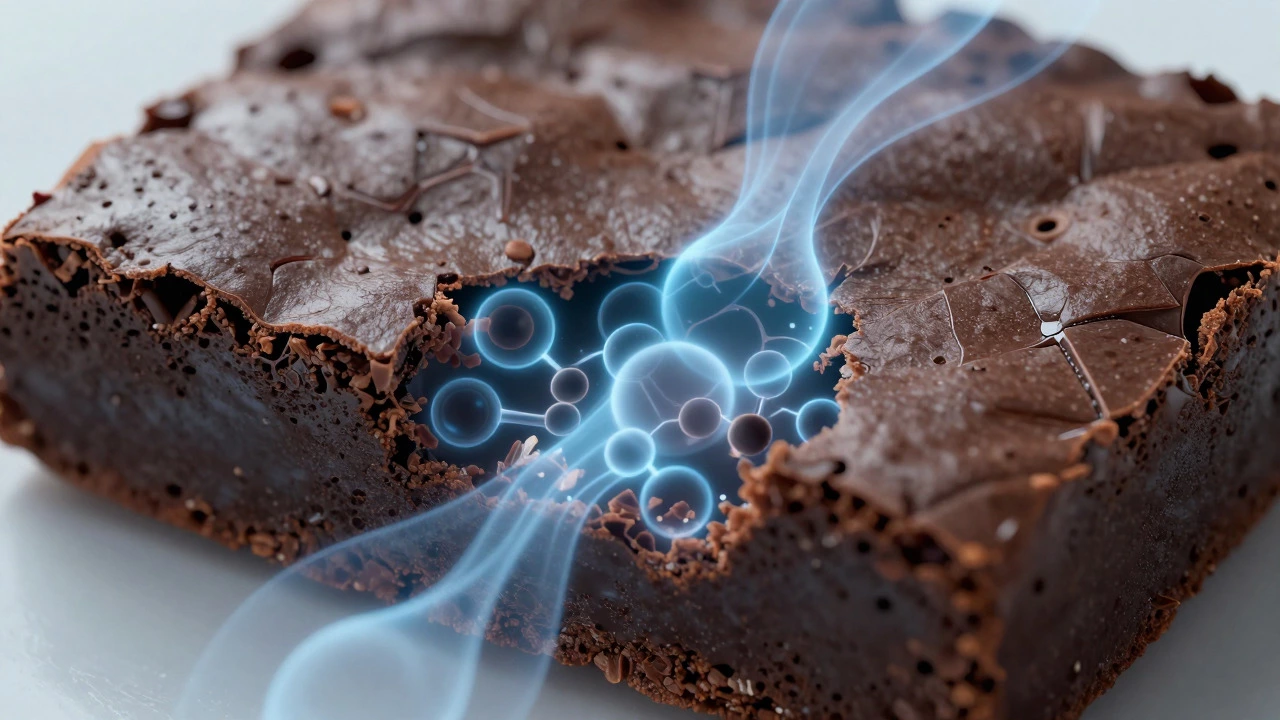
Texture is only half the story; flavor plays an equally important role. Chocolate contains hundreds of volatile aromatic compounds. When you first bake brownies, many of these compounds are still locked within the cocoa butter matrix or masked by the strong aroma of vanilla and other added flavors. As the brownies rest, these volatile compounds have time to diffuse and interact with each other. This allows the complex notes of the chocolate-fruity, nutty, or earthy undertones-to emerge more clearly.
Furthermore, the Maillard reaction, which occurs during baking and creates browned flavors, continues to develop subtly as the sugars and proteins interact over time. The sharp, sometimes bitter edge of freshly melted chocolate mellows out. The sweetness becomes more integrated rather than hitting your taste buds all at once. This is similar to how soups and stews often taste better the next day; the flavors need time to marry. In brownies, this "marrying" period allows the cocoa powder and chocolate chunks to infuse the surrounding batter with their full depth of flavor.
Fat Crystallization and Mouthfeel
Brownies rely heavily on fat, typically butter or oil, for their richness. When hot, fats are liquid and coat the mouth differently than when solidified. As brownies cool to room temperature and then sit overnight, the fats undergo crystallization. Butter, in particular, forms specific crystal structures that affect how the brownie melts in your mouth. Properly crystallized fats provide a smoother, creamier mouthfeel compared to the greasy sensation that can sometimes occur with very warm, high-fat baked goods.
If you use chocolate chunks instead of chips, the difference is even more pronounced. Freshly baked, the chocolate might still be slightly soft or melted. Overnight, it firms up, providing distinct pockets of rich chocolate that contrast with the softer fudge-like base. This textural contrast is a key element of a high-quality brownie experience.
| Attribute | Freshly Baked | Day-Old (Overnight) |
|---|---|---|
| Texture | Can be cakey or crumbly; uneven moisture | Dense, fudgy, uniform chewiness |
| Moisture Distribution | Uneven; center may be wetter than edges | Equalized; consistent throughout |
| Chocolate Flavor | Sharp, intense, sometimes bitter | Mellow, deep, complex notes emerge |
| Cutting Quality | Prone to crumbling; messy slices | Clean cuts; holds shape well |
| Mouthfeel | Potentially greasy if too warm | Smooth, creamy, rich |
Storage Methods That Preserve Quality
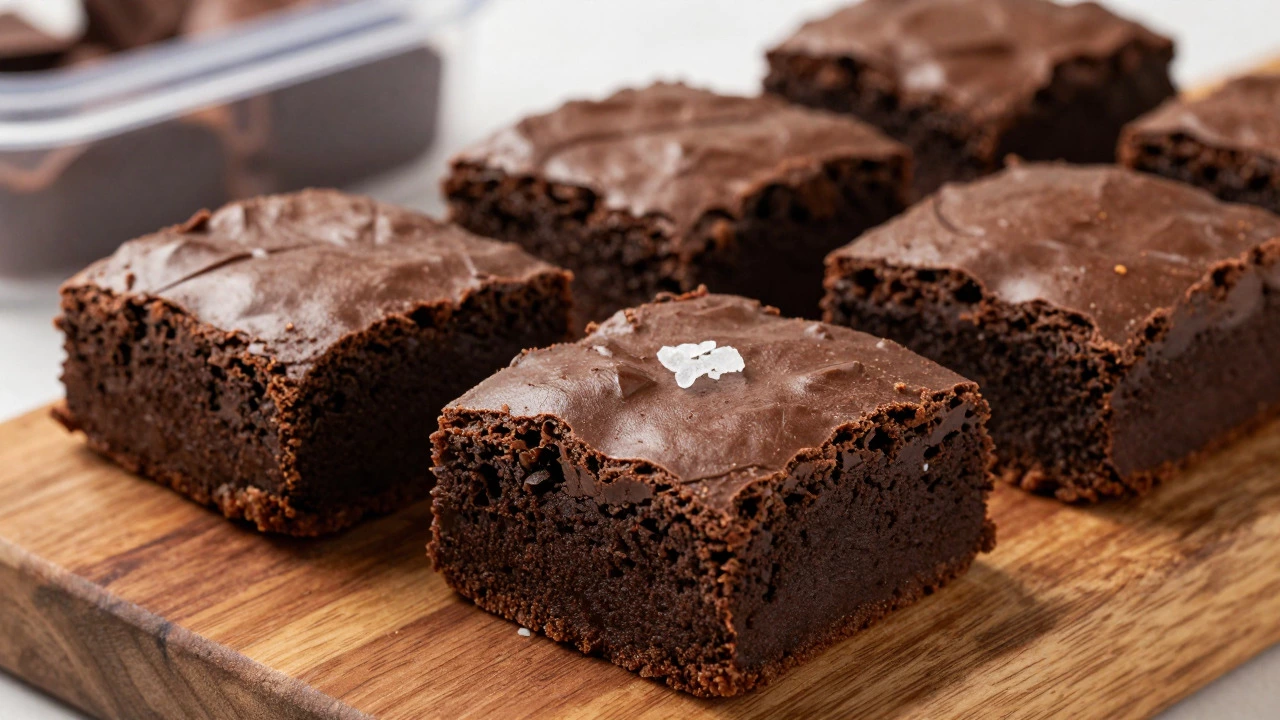
To achieve this improved taste and texture, proper storage is essential. Leaving brownies uncovered on the counter will lead to drying out, negating the benefits of moisture migration. You need to create a sealed environment. Plastic wrap directly against the surface of the brownies is effective, but an airtight container is generally preferred for ease of use and hygiene.
Room temperature storage is ideal for most brownies. Refrigeration can actually accelerate starch retrogradation, potentially making the brownies harder and dulling the flavor perception since cold temperatures numb our taste buds. If you must refrigerate them due to perishable ingredients like cream cheese frosting, let them come to room temperature before eating to restore the optimal texture and flavor release.
Pro Tips for Maximizing Overnight Improvement
- Under-bake slightly: If you know you’re going to eat them the next day, pull the brownies out of the oven when the center is just set but still jiggly. The residual heat will finish cooking them, and the resting period will firm them up perfectly.
- Add salt: A pinch of flaky sea salt on top before baking enhances the chocolate flavor and helps balance the sweetness, which becomes more apparent as the flavors meld.
- Use quality chocolate: Since the chocolate flavor will deepen, using high-cocoa-percentage chocolate or high-quality cocoa powder ensures the final result is rich, not bland.
- Cool completely before storing: Trapping steam by covering warm brownies can lead to condensation, which makes the top soggy. Let them reach room temperature first.
When Do Brownies Go Bad?
While brownies taste better the next day, they don’t last forever. At room temperature, properly stored brownies will stay fresh for about 3 to 4 days. After that, the risk of mold increases, especially in humid environments. If you want to extend their life, freezing is the best option. Brownies freeze exceptionally well because of their low water activity relative to their fat and sugar content. Wrap individual squares tightly in plastic wrap, then place them in a freezer bag. Thaw at room temperature for about an hour, and they will regain much of their fresh-baked texture.
Do brownies really taste better the next day?
Yes, most people find that brownies taste better the next day. The moisture redistributes evenly, creating a fudgier texture, and the chocolate flavors have time to deepen and mellow, resulting in a more complex and satisfying taste.
Should I store brownies in the fridge or at room temperature?
Store brownies at room temperature in an airtight container. Refrigeration can make them hard and dull the flavor. Only refrigerate if they contain perishable toppings like cream cheese frosting.
How long do brownies stay fresh?
Brownies stay fresh at room temperature for 3 to 4 days. For longer storage, freeze them for up to 3 months. Thaw at room temperature before serving.
Why are my brownies dry the next day?
If your brownies are dry the next day, they were likely overbaked initially or not stored in an airtight container. Overbaking removes too much moisture, leaving nothing to redistribute. Ensure you use a tight seal to prevent evaporation.
Can I microwave brownies to soften them?
Yes, microwaving a brownie for 10-15 seconds can soften it and melt the chocolate slightly, mimicking the fresh-out-of-the-oven texture. However, this doesn't replicate the flavor development that happens overnight.