Fudge Storage Decision Tool
Select your current situation below to get personalized advice on how to store your homemade fudge to maintain its creamy texture.
Recommended Method:
Why this matters?
You’ve just finished stirring that pot of sugar and cream until your arm ached. You poured it into the pan, waited for it to set, and now you’re staring at your refrigerator wondering if it’s the safest place to keep your hard work. It feels logical, right? Cold things stay fresh longer. But with fudge is a dense, creamy confection made from sugar, butter, milk or cream, and often chocolate or flavorings, logic takes a backseat to chemistry. If you put fudge in the fridge, you aren’t preserving it; you are ruining its texture.
The short answer is that refrigeration causes moisture migration and fat crystallization, turning your smooth treat into a grainy, dry mess. But why does this happen? And more importantly, how do you store it so it stays soft and delicious for weeks?
The Chemistry of Smoothness: Why Texture Matters
To understand why the fridge is the enemy, we have to look at what makes good fudge, good. Unlike hard candy is a brittle confection made by boiling sugar syrup to the hard-crack stage (300°F-310°F), which relies on large sugar crystals shattering, fudge relies on microscopic ones. The goal of any serious candy maker is to create millions of tiny sugar crystals that are too small for your tongue to detect individually. This creates that signature melt-in-your-mouth sensation.
When you cool fudge at room temperature, these crystals form slowly and uniformly. The fats from the butter and cream coat these crystals, acting as a lubricant. This coating prevents the crystals from clumping together into large, gritty chunks. It is a delicate balance of thermodynamics and colloid science. Your kitchen becomes a laboratory where temperature control dictates the final mouthfeel.
If you disrupt this cooling process by introducing rapid, uneven cold, you shock the system. The outside of the fudge cools faster than the inside, creating stress points. More critically, the sudden drop in temperature can cause the fats to solidify too quickly, squeezing out moisture and leading to a phenomenon known as "weeping" or surface condensation.
The Refrigerator Effect: Graininess and Dryness
So, what exactly happens when you slide that tray into the fridge? Two main things go wrong: graininess and dryness.
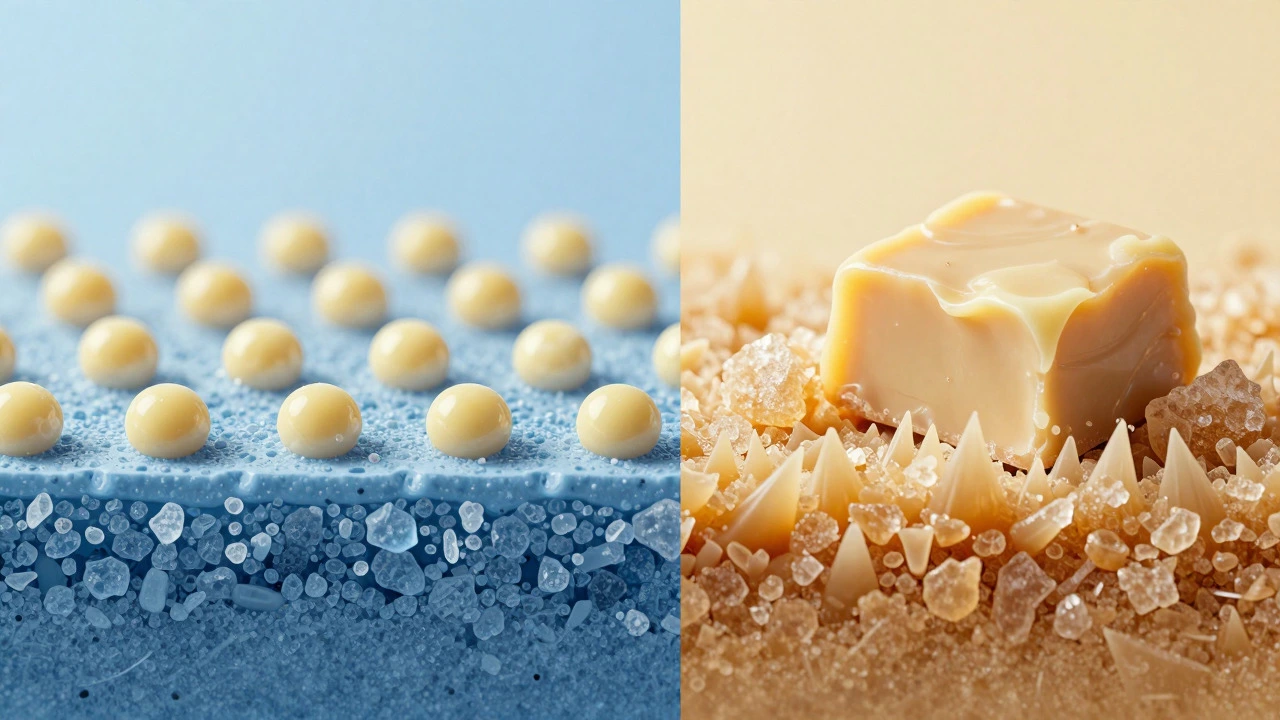
Graininess: Sugar loves water. In a sealed environment like a fridge, humidity levels fluctuate. When warm fudge hits cold air, condensation forms on the surface. This water then gets absorbed into the sugar matrix. As the fudge sits, this extra moisture dissolves some of the existing sugar crystals. When those dissolved sugars re-crystallize, they don’t reform into tiny, smooth grains. Instead, they grow into large, jagged structures. You bite down, and instead of a smooth snap, you get grit. It’s the same reason why old cake tastes sandy-it’s all about crystal size.
Dryness: Refrigerators are essentially dehumidifiers. They pull moisture out of the air to prevent frost buildup on the coils. Your fudge has a high water activity level compared to the air in your fridge. Over time, the fridge will draw moisture out of the confection, leaving it hard and crumbly. You might find yourself chewing through a piece of fudge that feels more like a stale biscuit than a sweet treat.
| Storage Method | Texture Impact | Shelf Life | Risk Factors |
|---|---|---|---|
| Room Temperature (Airtight) | Maintains smooth, creamy consistency | 2-3 weeks | Heat sensitivity above 75°F (24°C) |
| Refrigeration | Becomes grainy, dry, and potentially weepy | Up to 6 weeks (but quality drops) | Condensation, moisture loss, fat hardening |
| Freezing | Preserved well if wrapped tightly | Up to 3 months | Frostbite if not double-wrapped |
The Exception: Hot Climates and Summer Safety
Now, I know what you’re thinking. "But Estella, I live in Melbourne, and sometimes our summers hit 40°C (104°F). My fudge is melting on the counter!" You are right to be concerned. There is a limit to how much heat fudge can take before the fats separate and the structure collapses.
If your kitchen consistently stays above 75°F (24°C), you have no choice but to use the fridge. However, you must mitigate the risks mentioned earlier. Here is how to do it without destroying your batch:
- Cool Completely First: Never put warm fudge in the fridge. Let it reach room temperature completely. This minimizes the thermal shock and reduces condensation formation.
- Airtight is Non-Negotiable: Wrap the fudge tightly in plastic wrap, then place it in an airtight container. You want to create a micro-environment around the fudge that retains its own moisture and blocks the dry fridge air.
- Acclimate Before Eating: Take the fudge out of the fridge 30 minutes before serving. This allows the fats to soften slightly and the temperature to equalize, restoring some of that creamy texture. If you eat it straight from the cold, it will taste waxy and dull.
Think of the fridge as a last resort, not a standard procedure. If you can keep your pantry cool and dark, stick to it. A cupboard away from the stove and direct sunlight is ideal.
How to Store Fudge Properly: Step-by-Step
Proper storage isn’t just about avoiding the fridge; it’s about creating the right conditions for preservation. Follow these steps to ensure your fudge stays perfect for up to three weeks.
- Wait for Full Set: Allow the fudge to set completely in the pan before cutting. Cutting too early can crush the delicate crystal structure.
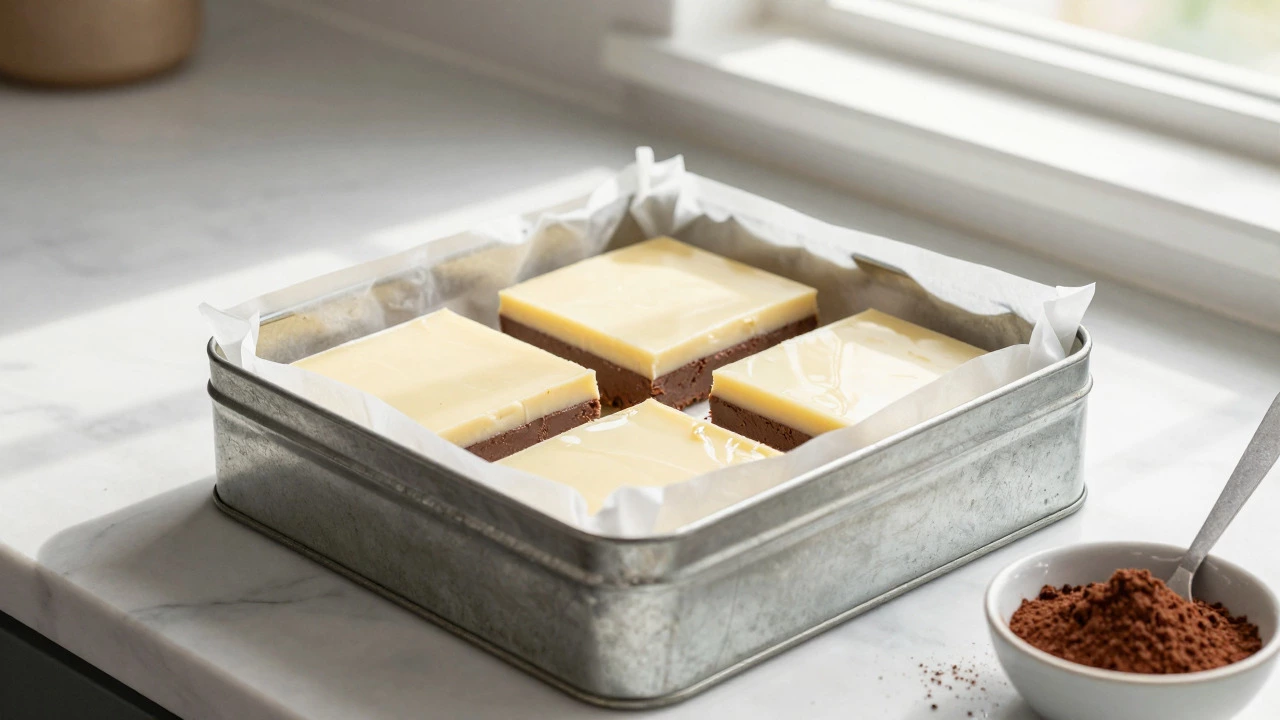
- Wax Paper Layers: Cut the fudge into squares. Place a square of wax paper or parchment paper between each layer. This prevents them from sticking together and protects the cut surfaces from drying out.
- Tin Box or Airtight Container: Transfer the layered fudge into a tin box or a rigid plastic container with a tight-sealing lid. Tins are traditional for a reason-they block light and air effectively.
- Desiccant Packets (Optional): If you are storing fudge in a humid climate, consider adding a food-safe silica gel packet to the container. This absorbs excess ambient moisture without touching the fudge directly.
- Keep it Dark: Light can degrade the flavors, especially in chocolate or caramel-based fudges. Keep your container in a dark cupboard.
Reviving Hard or Grainy Fudge
Did you accidentally leave your fudge out in the sun? Or maybe you stored it improperly and it turned rock-hard? Don’t toss it yet. You can often rescue fudge using gentle heat.
If the fudge is simply hard due to age or dryness, try this method:
- Place the fudge pieces in a microwave-safe bowl.
- Heat in 15-second intervals, stirring gently between each burst.
- Stop once the fudge is just soft enough to spread or reshape. Be careful not to melt it completely into a liquid, or you’ll have to re-boil it.
- Let it cool again at room temperature. The reintroduction of slight moisture from the steam during microwaving can help rehydrate the sugar crystals.
If the fudge is grainy, it’s harder to fix. You can try blending it into a frosting for cakes or mixing it into hot coffee. The graininess becomes less noticeable when diluted in other ingredients.
Freezing Fudge: The Long-Term Solution
If you’ve made a massive batch for Christmas or a wedding and won’t eat it all within three weeks, freezing is your best friend. Unlike refrigerating, freezing pauses the chemical reactions almost entirely.
To freeze fudge correctly:
- Wrap individual squares tightly in plastic wrap.
- Place them in a freezer-safe bag or container.
- Squeeze out as much air as possible to prevent freezer burn.
- Label with the date. Fudge can last up to three months in the freezer.
When you’re ready to eat, thaw the fudge in the refrigerator overnight, then bring it to room temperature before unwrapping. This slow transition prevents condensation from forming on the surface of the fudge itself.
Common Mistakes to Avoid
Even with the best intentions, storage errors happen. Here are the most common pitfalls:
- Using Glass Jars Without Lids: Glass doesn’t seal out air unless you have a specific locking mechanism. Air exposure leads to staleness.
- Storing Near Strong Odors: Fudge is porous and absorbs odors easily. Don’t store it next to onions, garlic, or strong cheeses. It will taste like dinner, not dessert.
- Ignoring Humidity: In coastal areas like Melbourne, humidity swings can be drastic. Always check the seal on your container. If the wax paper feels damp, replace it immediately.
Understanding the science behind your sweets empowers you to make better decisions in the kitchen. Fudge is a temperamental treat, but with the right storage strategy, you can enjoy its creamy perfection long after it leaves the stove.
Can you put fudge in the fridge if it's very hot outside?
Yes, if your kitchen temperature exceeds 75°F (24°C), you should refrigerate fudge to prevent melting. However, you must wrap it tightly in plastic and place it in an airtight container to prevent moisture loss and graininess. Let it come to room temperature before eating for the best texture.
Why did my fudge become grainy after storing it?
Graininess usually results from large sugar crystals forming. This can happen if the fudge was cooled too quickly, stirred excessively during cooling, or exposed to moisture fluctuations in the fridge. Condensation on the surface can dissolve and re-crystallize sugar into larger, gritty structures.
How long does homemade fudge last at room temperature?
Homemade fudge typically lasts 2 to 3 weeks at room temperature if stored in an airtight container in a cool, dark place. The high sugar content acts as a preservative, inhibiting bacterial growth, but the fats can eventually turn rancid over longer periods.
Can you freeze fudge to extend its shelf life?
Yes, freezing is an excellent way to store fudge for up to 3 months. Wrap individual pieces tightly in plastic wrap, place them in a freezer-safe bag, and remove excess air. Thaw in the refrigerator overnight and bring to room temperature before serving.
What causes fudge to become hard and dry?
Fudge becomes hard and dry primarily due to moisture loss. Refrigerators dehumidify the air, pulling water out of the confection. Additionally, if the fudge was cooked to a higher temperature than required, it may start off drier and become harder over time as it loses remaining moisture.