Gluten-Free Cake Flour Blend Calculator
Enter your desired total flour weight to generate a professional-grade gluten-free blend based on the article's recommended ratios.
Your Custom Blend
Rule: 1 tsp per cup of flour. Adjust based on cake density preference.
You pull a dry, crumbly sponge out of the oven and wonder what went wrong. You followed the recipe to the gram, but the texture feels like sandpaper instead of silk. The culprit usually isn't your technique-it's the flour blend. Most people grab a single bag of gluten-free flour from the supermarket aisle and expect it to behave exactly like wheat flour. It doesn't. Wheat flour contains gluten, a protein network that traps air and gives cakes their structure. Remove that protein, and you need a different strategy to keep your cake from collapsing or turning into a dense brick.
So, which gluten-free flour actually works best for cakes? There is no single magic powder. The secret lies in understanding how different flours interact with moisture and fat. Some absorb too much liquid, making the batter thick and heavy. Others lack structure, causing the cake to sink in the middle. This guide breaks down the top contenders, explains why they work (or don't), and gives you a foolproof formula for fluffy, moist gluten-free cakes every time.
The Role of Starches vs. Nut Flours
To bake a great cake, you need two things: structure and tenderness. In traditional baking, wheat flour provides both. In gluten-free baking, you have to split these jobs between different ingredients. Think of your flour blend as a team where each member has a specific role.
Rice Flour is a fine powder made from milled white or brown rice grains, commonly used as the base for most gluten-free blends due to its neutral flavor and light texture. It provides bulk but lacks binding power. If you use only rice flour, your cake will be gritty and fall apart when you slice it.
This is where starches come in. They add moisture retention and chewiness without adding graininess. Tapioca Starch is a pure starch extracted from cassava roots, known for creating a chewy, elastic texture in baked goods. It helps mimic the stretchiness of gluten. However, too much tapioca starch can make a cake gummy.
On the other end of the spectrum are nut flours. Almond Flour is a finely ground powder made from blanched almonds, rich in fats and proteins that add moisture and density to cakes. Unlike grain-based flours, almond flour doesn't need hydration to soften because it already contains oil. This makes it excellent for tender, moist cakes, but it doesn't provide the same airy lift as starch-heavy blends.
Top Contenders for Cake Baking
Not all gluten-free flours are created equal. Here’s a breakdown of the most popular options and how they perform specifically in cake recipes.
| Flour Type | Texture Impact | Moisture Retention | Best For |
|---|---|---|---|
| White Rice Flour | Light, slightly gritty if not sifted | Low - requires added liquids | Vanilla or chocolate sponge cakes |
| Almond Flour | Dense, tender, crumbly | High - naturally oily | Rich butter cakes, pound cakes |
| Coconut Flour | Very dry, absorbs 4x its weight in liquid | Extremely High absorption | Low-carb cakes (use sparingly) |
| Tapioca Starch | Chewy, elastic, smooth | Moderate | Blending agent for structure |
| Potato Starch | Soft, delicate, crisp crust | Moderate | Airier, lighter cake textures |
Notice that coconut flour is a troublemaker. It is highly absorbent. If you swap wheat flour for coconut flour one-for-one, you’ll end up with a hockey puck. You typically need to use about 1/4 cup of coconut flour for every cup of wheat flour, and add extra eggs or liquid. For beginners, avoid using coconut flour as the primary ingredient unless the recipe is specifically designed for it.
Why Single-Flour Recipes Fail
You might see a blog post claiming "just use oat flour." While oats are technically gluten-free (if certified), they don’t have enough structural integrity on their own. Oat flour produces a dense, moist loaf-like texture rather than a light, airy cake. It works well for banana bread or carrot cake, but for a delicate vanilla layer cake, it’s often too heavy.
The reason professional bakers use blends is simple: balance. You need the neutrality of rice flour, the elasticity of tapioca, and the tenderness of potato starch or almond meal. When you mix them, you cover each other’s weaknesses. Rice flour is bland? Add almond flour for flavor. Tapioca is gummy? Balance it with potato starch for lightness.
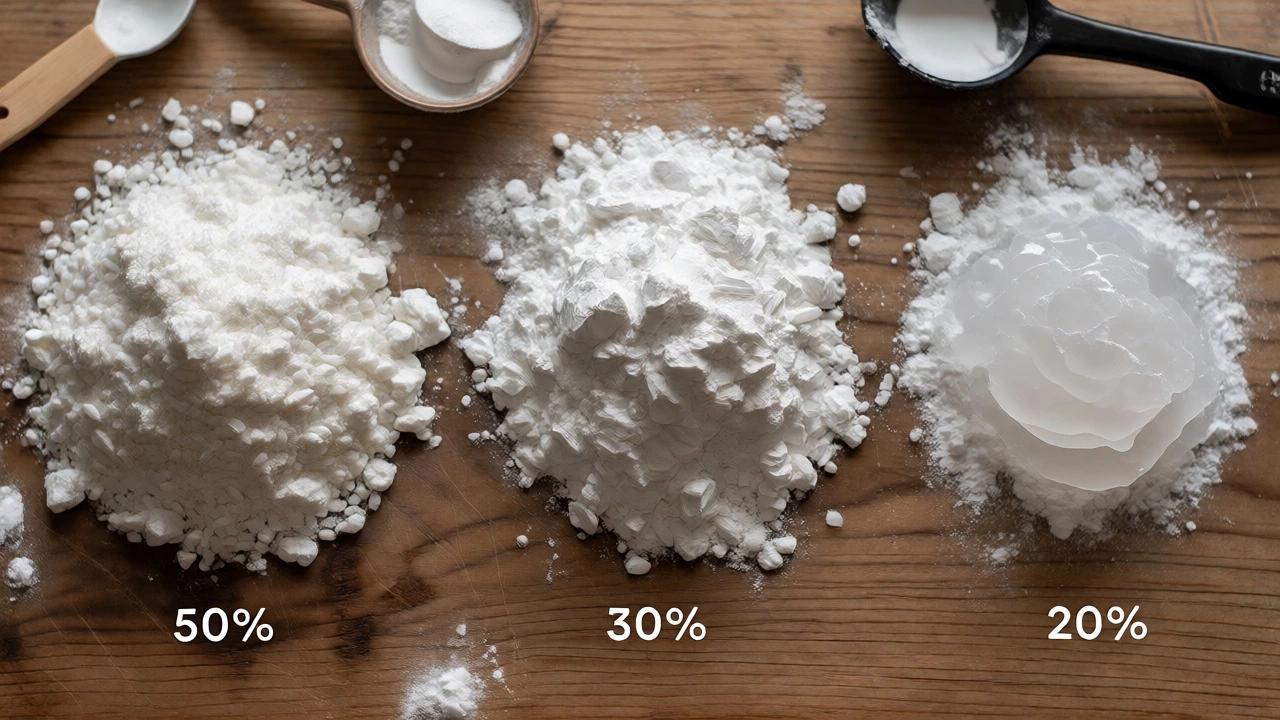
The Golden Ratio for Homemade Blends
Buying pre-mixed "measure-for-measure" flour is convenient, but store-bought blends often contain xanthan gum or guar gum, which can sometimes give baked goods a slimy aftertaste if overused. Making your own blend gives you control. Here is a reliable starting point for a versatile cake flour substitute:
- 50% White Rice Flour: Provides the base volume and neutral taste.
- 30% Potato Starch: Adds lightness and prevents the cake from becoming too dense.
- 20% Tapioca Starch: Improves elasticity so the cake holds together when sliced.
If you want a richer, moister cake, swap half of the rice flour for almond flour. But remember, almond flour adds weight. You may need to increase your leavening agents (baking powder) by about 10% to compensate for the heavier batter.
The Secret Ingredient: Xanthan Gum
Without gluten, your cake has no internal scaffolding. Eggs help, but they aren't always enough. This is where hydrocolloids like xanthan gum step in. Xanthan gum acts as a binder, trapping gas bubbles produced by baking powder or whipped egg whites. It keeps the cake structure intact as it cools.
How much do you need? Too little, and the cake crumbles. Too much, and it becomes rubbery. The general rule of thumb is 1 teaspoon of xanthan gum per cup of gluten-free flour blend. If you are making a very light angel food cake, you might skip it entirely and rely solely on whipped egg whites for structure. For standard butter cakes, include it.
Baking Techniques That Make or Break Your Cake
Even with the perfect flour blend, poor technique can ruin your results. Gluten-free batters behave differently than wheat-based ones. Here are three critical adjustments:
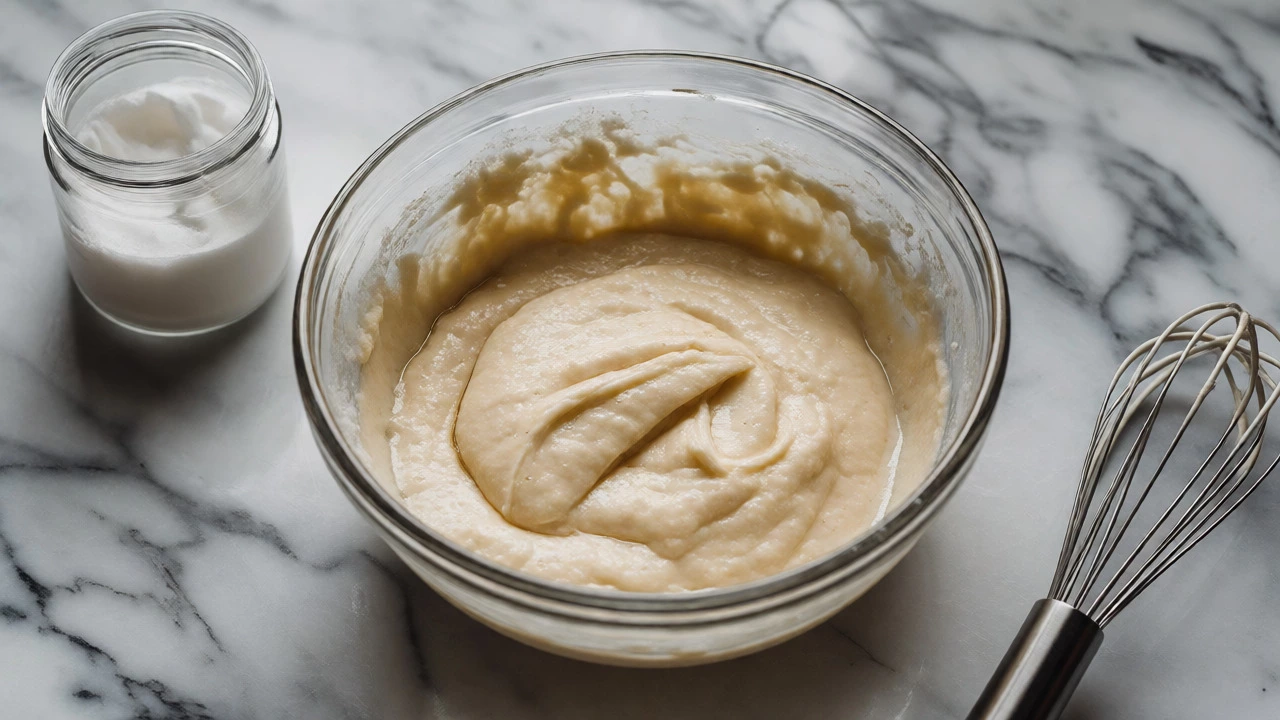
- Rest the Batter: Unlike wheat batter, gluten-free batter benefits from sitting for 15-30 minutes before baking. This allows the rice and starch particles to fully hydrate. If you bake immediately, the starches won't absorb enough water, leading to a gritty texture.
- Don't Overmix: Once the wet and dry ingredients are combined, stop mixing. There is no gluten to develop, so overmixing just incorporates too many air bubbles that will collapse during baking, causing the center to sink.
- Cool Completely Before Slicing: Gluten-free cakes are fragile when warm. The starches need time to set as they cool. Cutting into a hot cake almost guarantees it will fall apart. Let it cool in the pan for 10 minutes, then transfer to a wire rack for at least an hour.
Common Pitfalls and How to Fix Them
Did your cake turn out dry? You likely didn't add enough fat or moisture. Gluten-free flours absorb more liquid than wheat flour. Try adding an extra tablespoon of oil, yogurt, or applesauce to your next batch. Did it sink in the middle? Your oven temperature might have been too high, causing the outside to set before the inside cooked, or you opened the oven door too early.
Gritty texture is another common complaint. This usually happens with rice flour. To fix this, ensure you are using superfine rice flour, not coarse milling. Sifting your dry ingredients twice also helps break up clumps and aerates the blend, resulting in a smoother crumb.
Can I use almond flour alone for cakes?
Yes, but the result will be denser and more like a pound cake or financiers than a light sponge. Almond flour lacks starch, so it doesn't create the same airy structure. It works best in recipes with high egg or fat content.
Is coconut flour good for gluten-free cakes?
Coconut flour is very absorbent and difficult to substitute directly. It is rarely used as the sole flour in cakes unless the recipe is specifically formulated for it. It is better used as a small percentage of a blend to add fiber and moisture retention.
Do I need xanthan gum in my gluten-free cake?
For most butter-based cakes, yes. Xanthan gum replaces the binding properties of gluten, preventing the cake from crumbling. For foam-based cakes like angel food or chiffon, you can often omit it if you whip the egg whites properly.
Why is my gluten-free cake gritty?
Grittiness usually comes from coarse rice flour or insufficient resting time. Use superfine rice flour and let the batter rest for 20 minutes before baking to allow the grains to soften and hydrate fully.
Can I use self-rising gluten-free flour?
You can, but check the label. Many commercial self-rising GF flours contain baking powder and salt, but the ratios vary. It is safer to use plain gluten-free flour and add your own baking powder (usually 1.5 teaspoons per cup) to control the rise.