Soft Cookie Texture Calculator
Enter your recipe details below to see how likely your cookies are to stay soft and chewy. We'll score your technique based on the science of moisture retention and protein development.
Recipe Inputs
Enter your details and click Analyze to see your Softness Score.
You pull a tray of golden-brown treats from the oven, expecting a tender bite, but one week later they’re hard enough to chip a tooth. It’s frustrating, right? You followed the recipe, measured the flour, and set the timer correctly. Yet, your cookies are still crisp instead of soft. The difference between a crunchy snap and a soft, yielding center isn’t just luck-it’s chemistry. Specifically, it’s about managing moisture retention and protein development during the baking process.
Most home bakers think temperature is the only variable that matters. But if you want consistently soft cookies, you need to look at ingredient ratios, mixing techniques, and storage methods. This guide breaks down exactly how to manipulate these factors to get that bakery-style softness every single time.
The Sugar Switch: Why Brown Sugar Wins
If you take away only one tip from this article, let it be this: swap white granulated sugar for brown sugar. White sugar encourages spreading and crisping because it has less moisture and promotes caramelization at higher temperatures. Brown sugar, on the other hand, contains molasses. Molasses is hygroscopic, meaning it attracts and holds onto water molecules.
When you use more brown sugar than white, your dough retains moisture longer. This keeps the crumb structure tender even as the edges firm up. A good rule of thumb for soft cookies is a 2:1 ratio of brown sugar to white sugar. If you prefer a milder sweetness, you can go 50/50, but avoid using exclusively white sugar if texture is your priority.
| Sugar Type | Molasses Content | Moisture Retention | Final Texture |
|---|---|---|---|
| White Granulated | None | Low | Crispy, Crumbly |
| Light Brown | ~3.5% | Medium-High | Chewy, Soft |
| Dark Brown | ~6.5% | High | Dense, Very Soft |
Fat Matters: Butter vs. Oil
Butter is delicious, but it’s tricky when you want softness. Butter contains about 15-20% water. During baking, that water turns to steam, which helps lift the cookie, but once the steam escapes, the fat solidifies again as it cools. If you over-mix butter with sugar, you incorporate too much air, leading to a cake-like rise that collapses into something dry.
For ultra-soft cookies, consider replacing some or all of the butter with vegetable oil or melted coconut oil. Oil remains liquid at room temperature, ensuring the interior stays moist and pliable. If you must use butter (and who doesn’t?), melt it first rather than creaming it cold. Melted butter creates a denser, fudgier texture because it coats the flour proteins more effectively, inhibiting gluten formation.
Stop Mixing Early: Controlling Gluten
Gluten is the enemy of tenderness. When flour meets water and gets agitated, gluten strands form. Think of bread dough-you knead it to build strong gluten networks for chewiness. With cookies, you want minimal gluten development. Over-mixing after adding flour makes cookies tough and hard.
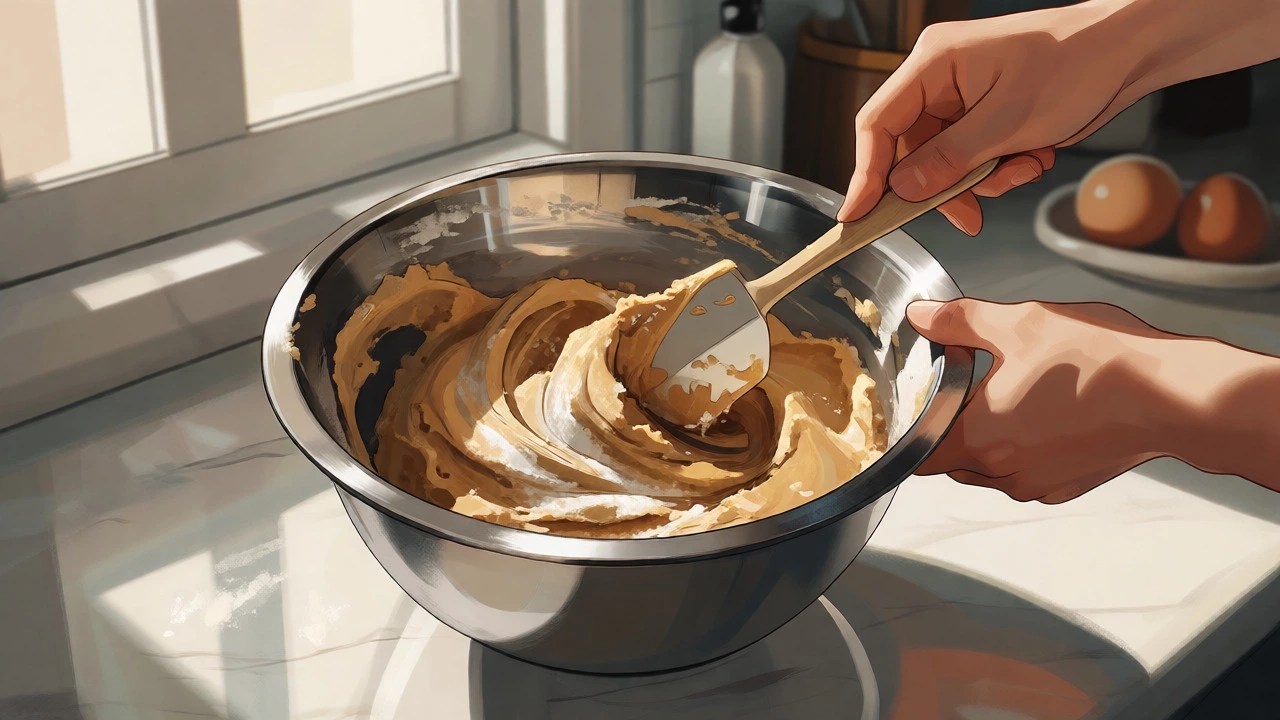
Add your dry ingredients to the wet mixture and stir until just combined. Stop when you see no more streaks of dry flour. It might look slightly uneven, but residual flour will hydrate during resting and baking. Using a spatula instead of an electric mixer gives you better control here. Electric mixers are great for aerating eggs, but they can over-develop gluten in cookie dough quickly.
The Art of Underbaking
This is where most people fail. They wait for the cookies to look fully cooked before pulling them out. By the time a cookie looks done in the oven, it’s already overdone. Residual heat continues cooking the cookies on the hot baking sheet for several minutes after removal.
Pull your cookies when the edges are set and lightly golden, but the centers still look slightly underdone and puffy. They should jiggle slightly if you shake the pan. On average, reduce your baking time by 1-2 minutes compared to standard recipes. For a standard 350°F (175°C) oven, check them at the 8-minute mark. Let them cool on the baking sheet for 5-10 minutes; this allows them to set without drying out completely.
Storage Strategies to Lock In Moisture
Baking correctly is half the battle. Storing them incorrectly undoes all your hard work. Air is the primary cause of staleness. As cookies sit exposed, moisture evaporates, leaving behind a hard, dry structure.
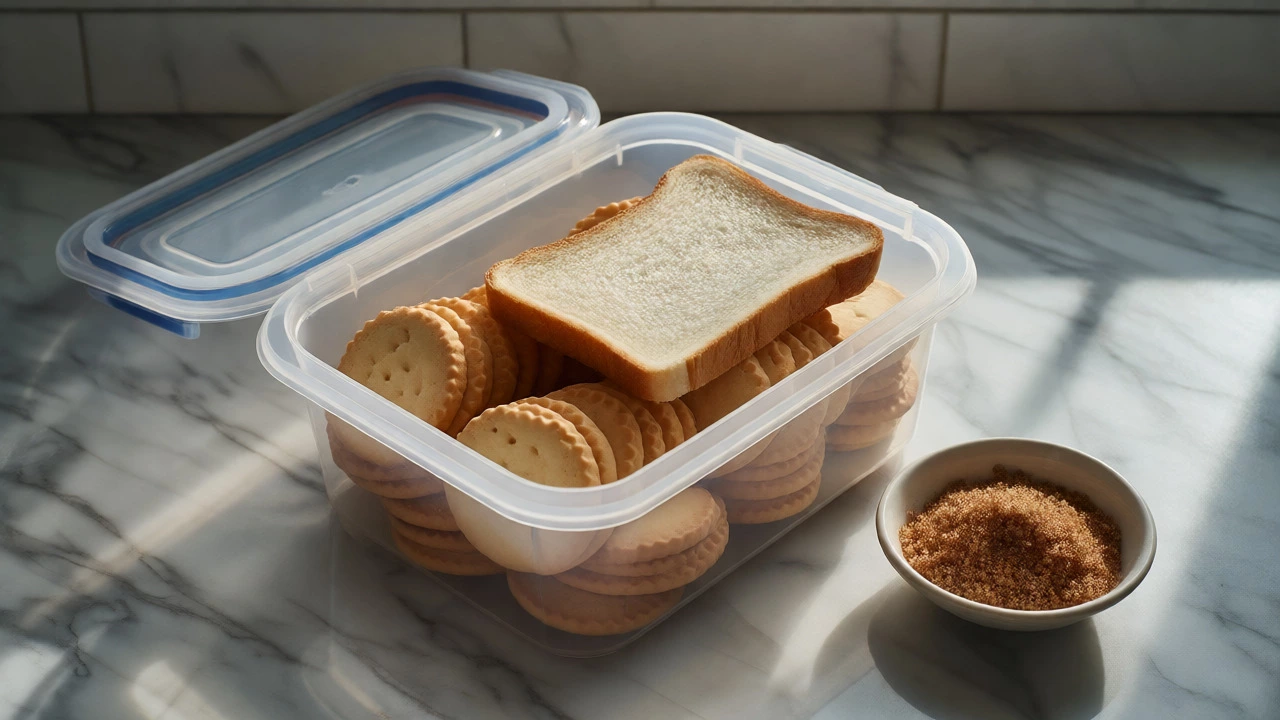
- The Bread Trick: Place a slice of white sandwich bread in the container with your cookies. The cookies will absorb moisture from the bread, staying soft for days. Replace the bread slice every two days.
- Airtight Containers: Use containers with rubber seals. Plastic tubs often seal better than glass jars with metal lids.
- Freezing Dough: If you bake in batches, freeze the unbaked dough balls. Baking from frozen adds a minute or two to the cook time but ensures fresh, soft cookies whenever you want them.
Egg Yolks vs. Whole Eggs
Eggs act as binders and leavening agents. Egg whites contain protein and water, which promote structure and drying. Egg yolks contain fat and emulsifiers (lecithin), which promote richness and tenderness.
To make softer cookies, use an extra egg yolk instead of a whole egg. For example, if a recipe calls for two eggs, try using one whole egg and one additional yolk. This increases the fat content without adding excess water, resulting in a richer, softer crumb. Whisk the yolks thoroughly into the batter to ensure even distribution.
Flour Selection and Measurement
Not all flour is created equal. All-purpose flour typically has a protein content of 10-12%. Higher protein means more gluten potential. Cake flour has lower protein (around 8%), producing a finer, more tender crumb. If your cookies are consistently hard, try substituting half of your all-purpose flour with cake flour.
Also, check how you measure flour. Scooping directly from the bag with a measuring cup compresses the flour, leading to too much flour in the dough. Too much flour absorbs all the moisture, creating dry, hard cookies. Instead, spoon flour into the cup and level it off with a knife. This method yields lighter, fluffier dough.
Troubleshooting Common Issues
Even with perfect technique, things can go wrong. Here’s how to diagnose common problems:
- Cookies are flat and hard: Your butter was likely too warm, causing excessive spread before the structure set. Chill your dough for 30 minutes before baking.
- Cookies are tough/chewy like leather: You overmixed the dough or used too much white sugar. Reduce mixing time and increase brown sugar ratio.
- Cookies burn on bottom but stay raw inside: Your oven rack position is too low, or your baking sheet is too dark. Dark pans absorb more heat. Switch to light-colored aluminum sheets or place a second empty rack below to diffuse heat.
Quick Checklist for Soft Cookies
Can I make vegan cookies soft?
Yes. Substitute eggs with applesauce or mashed banana, both of which add moisture. Use plant-based butter or coconut oil. Ensure you use brown sugar for its molasses content, which aids in softness regardless of dietary restrictions.
Why do my soft cookies turn hard overnight?
Starch retrogradation occurs as baked goods cool. Starch molecules recrystallize and squeeze out moisture. To slow this, store cookies in an airtight container with a piece of bread or apple slice to maintain humidity levels.
Does chilling dough help keep cookies soft?
Indirectly, yes. Chilling solidifies the fat, preventing excessive spread. Thicker cookies retain more internal moisture than thin, crispy ones. Aim for thicker dough balls to maximize the soft center-to-crispy edge ratio.
Is cornstarch useful for soft cookies?
Absolutely. Adding 1-2 tablespoons of cornstarch to your dry ingredients interferes with gluten formation and creates a velvety, tender texture. It’s a secret weapon in many professional bakery recipes.
How long do homemade soft cookies last?
Properly stored in an airtight container, soft cookies remain fresh for 3-5 days. After that, they begin to stale despite best efforts. Freezing extends their life to 2-3 months with minimal quality loss.