Apple Vegan Status Checker
Determine if your apple meets strict vegan standards based on coating, farming method, and sourcing.
You pick up a shiny red apple at the grocery store. It looks perfect. You’re vegan, so you assume it’s safe to eat. But then you read somewhere that apples might not be vegan. Suddenly, that innocent piece of fruit feels suspicious. Is there animal product hiding under that skin? Do bees die for your snack? The short answer is: usually, yes, apples are vegan. But if you follow a strict or "whole food" vegan lifestyle, there are some gray areas worth knowing about.
Apples themselves are plants. They grow on trees without needing animals. However, the journey from the orchard to your kitchen often involves processes and coatings that involve animal derivatives. This isn’t about conspiracy; it’s about modern agriculture and food preservation. Let’s break down exactly what makes an apple potentially non-vegan, so you can decide how strict you want to be with your diet.
The Shiny Coat: Why Apples Get Waxed
Have you ever noticed that supermarket apples look like they’ve been polished? That shine isn’t natural. In fact, most apples have their natural wax layer removed during commercial washing and cleaning. To replace it-and to prevent moisture loss and bruising-packers apply a new coat of food-grade wax. This is where things get tricky for vegans.
However, not all waxes are created equal. Some manufacturers mix carnauba with other substances to improve durability or cost-efficiency. This leads us to the next big concern: shellac.
Shellac: The Hidden Animal Product
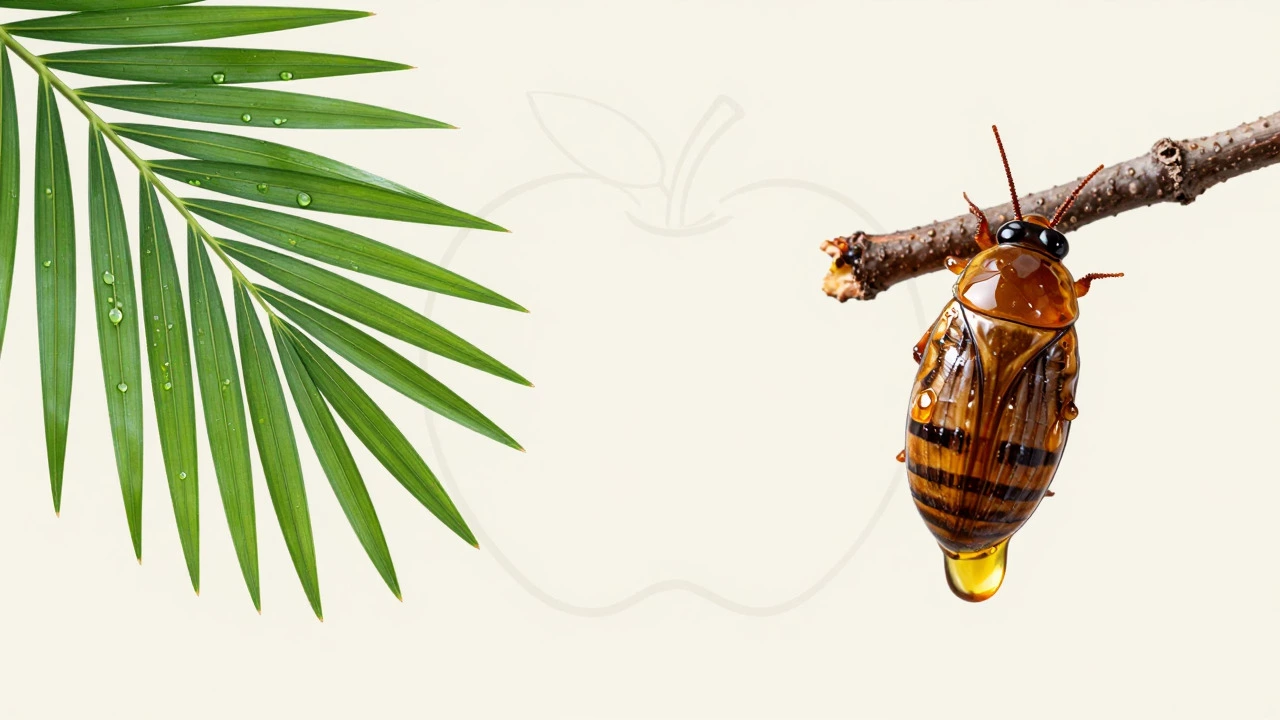
If you’re wondering why apples aren’t vegan, Shellac is likely the culprit. Shellac is a resin secreted by the female lac insect (Kerria lacca) found primarily in India and Thailand. These insects cover themselves in the resin, which humans harvest, purify, and use as a glazing agent (E904) in foods. It gives apples that ultra-shiny, long-lasting look.
Is using shellac cruel? That depends on your definition of veganism. Traditional harvesting involves scraping the resin off branches, which kills the insects living there. While some argue this is incidental rather than intentional slaughter, strict vegans avoid shellac because it is an animal-derived ingredient. If you buy conventional, highly polished apples from major supermarkets, there is a decent chance they contain shellac or a blend including it.
| Coating Type | Source | Vegan Status | Notes |
|---|---|---|---|
| Natural Apple Wax | The apple itself | Vegan | Often washed off before sale |
| Carnauba Wax | Palm tree leaves | Vegan | Most common commercial replacement |
| Shellac (Lac) | Lac insects | Not Vegan | Used for high-gloss finish; controversial due to insect death |
| Beeswax | Honeybees | Not Vegan | Rarely used on apples, more common on cheese/produce wraps |
| Mineral Oil | Petroleum | Vegan (Debatable) | Plant-free but not eco-friendly; sometimes mixed with waxes |
The Pollination Problem: Bees and Vegan Ethics
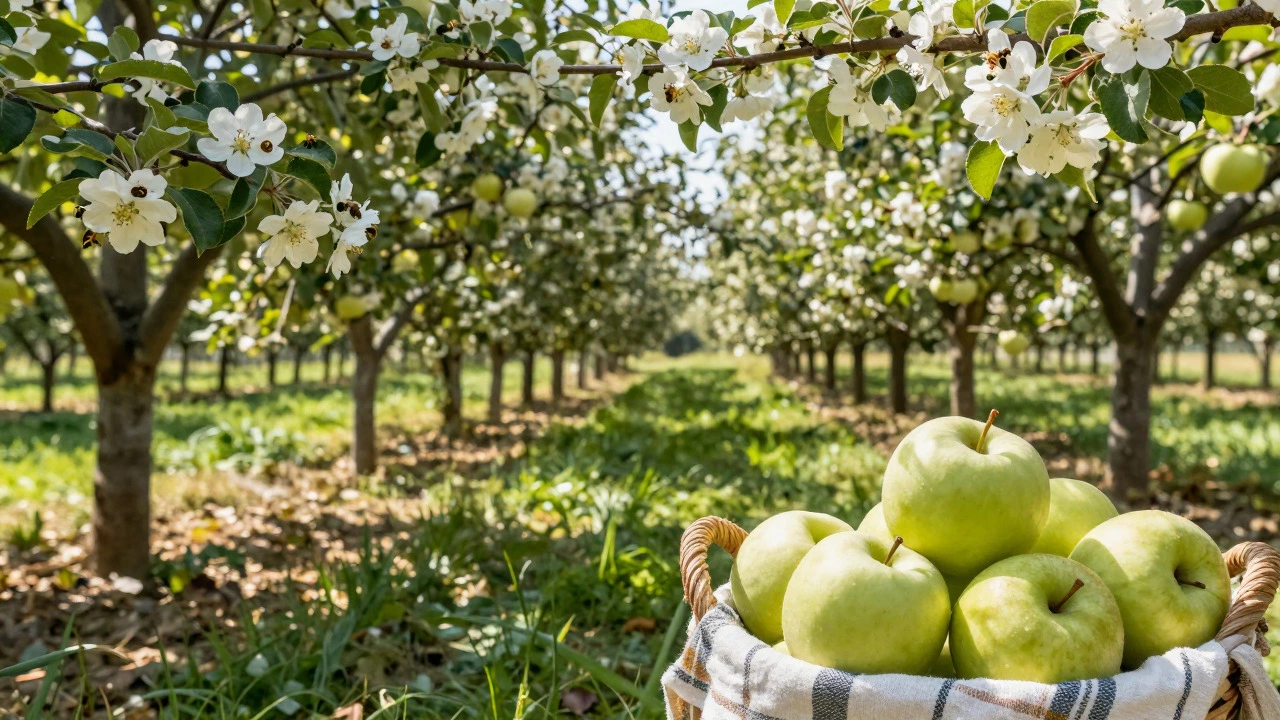
Beyond the wax, there’s a deeper philosophical debate in the vegan community: pollination. Most apples require cross-pollination to set fruit. Commercial orchards rely heavily on managed honeybee hives brought in specifically for this purpose. Critics argue that beekeeping exploits insects, leading to stress, disease spread, and eventual culling of colonies. Therefore, some strict vegans avoid crops dependent on commercial bee pollination, such as almonds, avocados, and apples.
However, many vegans distinguish between *direct exploitation* (like dairy or eggs) and *agricultural reliance*. Wild bees, butterflies, and wind also pollinate apples. Unless you are following a "bug-free" or ultra-strict ethical vegan diet, most people consider apples vegan despite the bee connection. After all, avoiding every crop touched by an insect would leave very little on the menu.
Pesticides and Traces: The Invisible Ingredients
Even if the wax is plant-based and you don’t mind the bees, there’s another layer: pesticides. Conventional apple farming uses significant amounts of synthetic chemicals to kill pests, fungi, and weeds. Some older pesticides were derived from fish oil or other animal sources, though this is rare today. More commonly, the issue is indirect: these chemicals harm beneficial insects, soil life, and birds.
If your veganism is rooted in minimizing harm to all sentient beings, conventionally grown apples carry a higher "ethical cost" than organic ones. Organic apples still use pesticides (like sulfur or copper), but they generally avoid the most harmful synthetics. Washing your apples thoroughly can remove surface residues, but it won’t remove systemic pesticides absorbed into the fruit.
How to Ensure Your Apples Are Strictly Vegan
If you want to enjoy apples without guilt, here are practical steps to take:
- Buy Organic: Organic certification prohibits synthetic waxes and most harsh pesticides. While organic apples may still be waxed, they are more likely to use plant-based carnauba wax rather than shellac. Plus, organic farming supports healthier ecosystems for wildlife.
- Look for "Unwaxed" Labels: Some specialty stores and farmers' markets sell unwaxed apples. These will look duller and feel slightly fuzzy or matte. They are naturally vegan and free from artificial coatings.
- Wash Thoroughly: Use a brush and warm water to scrub the skin. Baking soda solutions have been shown to be effective at removing pesticide residues. This doesn’t change the vegan status, but it reduces chemical intake.
- Check Local Farms: Small-scale orchards often skip industrial waxing altogether because they sell directly to consumers who value freshness over shelf-life. Ask the farmer about their practices.
- Peel Them: If you’re unsure about the coating or pesticides, peeling the apple removes the outer layer entirely. You lose some fiber and nutrients, but you gain peace of mind.
Does It Matter for Vegan Desserts?
Since we’re talking about vegan desserts, apples are a star ingredient. Think apple crumble, tarte tatin, cinnamon baked apples, or apple pie. If you’re baking for a strictly vegan friend, does the wax matter? For most people, no. The amount of shellac on an apple is microscopic. It’s not like eating a piece of meat. However, if you’re making a dessert labeled "100% Plant-Based" or catering to someone with severe ethical convictions, opting for organic or unwaxed apples shows respect for their values. Plus, organic apples often taste better because they’re picked riper and handled with less industrial processing.
In recipes, the wax doesn’t affect texture or flavor significantly. But psychologically, knowing your ingredients are clean can enhance the enjoyment of your baking. When you make a vegan apple crisp, you want the focus to be on the sweet, spiced fruit, not hidden animal derivatives.
Conclusion: Are Apples Vegan?
So, are apples vegan? Technically, yes. Biologically, they are fruits. Ethically, it’s complicated. For the average vegan, apples are perfectly fine. For the strict vegan who avoids all animal exploitation, including insect-derived waxes and commercial beekeeping, apples require careful sourcing. By choosing organic, unwaxed, or locally grown apples, you can keep this delicious fruit in your diet while staying true to your values. Next time you reach for that shiny red apple, remember: a little knowledge goes a long way in making mindful choices.
Are supermarket apples coated with animal products?
Yes, many supermarket apples are coated with shellac, a resin derived from lac insects. This is done to preserve freshness and add shine. However, some brands use plant-based carnauba wax instead. Check labels or buy organic to avoid animal-derived coatings.
Is carnauba wax vegan?
Yes, carnauba wax is vegan. It is extracted from the leaves of the Copernicia prunifera palm tree native to Brazil. It is a popular plant-based alternative to shellac for coating fruits and candies.
Do bees die when pollinating apple trees?
While individual bees may die during natural pollination, commercial beekeeping involves managing hives which can lead to stress and culling. Strict vegans sometimes avoid crops reliant on commercial bees, but most vegans consider apples acceptable since wild pollinators also contribute.
How can I tell if an apple has been waxed?
Waxed apples have a uniform, high-gloss shine and feel smooth to the touch. Unwaxed apples appear duller, may have a matte finish, and can feel slightly rough or fuzzy. Organic apples are less likely to be heavily waxed, but not always.
Are organic apples guaranteed to be vegan?
Organic apples are more likely to be vegan because they prohibit synthetic waxes and harsh pesticides. However, organic standards still allow some natural waxes, and bees are used for pollination. For strict vegans, organic is a safer bet but not a 100% guarantee without checking specific farm practices.
Can I remove the wax from apples at home?
Yes, you can reduce wax and pesticide residue by scrubbing apples with a vegetable brush under warm water. A solution of baking soda and water is particularly effective. Peeling the apple removes the wax entirely but also removes dietary fiber and nutrients found in the skin.