Global Dessert Dominance Calculator
Select your region and priority metric to discover which dessert truly reigns supreme according to the article's data.
The dominant dessert is:
- Consumption Estimate
- Key Factor
Runners Up in this Category
Did you know?
Picture this: you walk into a café in Tokyo, then one in New York, and finally one in São Paulo. In all three places, there is a high chance you will see a slice of tiramisu, an Italian coffee-flavored dessert made with ladyfingers, mascarpone cheese, eggs, sugar, cocoa, and coffee sitting behind the glass counter. It looks elegant, tastes rich, and seems to be everywhere. But does that make it the most consumed dessert in the world?
The short answer is no. The long answer is complicated, delicious, and depends entirely on how you define "consumed." If we count every bite of ice cream eaten at a park bench or every spoonful of chocolate pudding stirred from a box, tiramisu doesn't even come close to the top spot. However, if we look at prestige, restaurant menus, and global recognition as a specific prepared dish, tiramisu is a heavyweight champion. Let’s unpack what people are actually eating around the globe and where this Italian classic fits in.
The Ice Cream Giant: Why It Actually Wins
If you want the undisputed king of global desserts, you have to look at ice cream, a frozen dairy dessert made by churning cream, milk, and sugar while freezing it to incorporate air. According to data from the International Dairy Federation, the world consumes over 19 billion liters of ice cream annually. That number dwarfs any other single dessert category.
Why is ice cream so dominant? Accessibility. You can buy it in a gas station in rural America, a street cart in Bangkok, or a high-end gelateria in Rome. It requires no special equipment to eat-just a cone or a bowl. Tiramisu, by contrast, is a constructed dish. It needs layers, soaking time, and usually a plate and fork. Ice cream is a snack; tiramisu is an event. This distinction matters when measuring consumption volume.
In countries like the United States, per capita ice cream consumption hovers around 23 pounds (about 10 kilograms) per person per year. In Italy, despite being the birthplace of tiramisu, ice cream (or gelato) consumption is even higher, often exceeding 25 pounds per person. Gelato is denser and lower in fat than American-style ice cream, but it occupies the same semantic space in our minds: cold, sweet, and ubiquitous.
Tiramisu: The Global Ambassador of Italian Sweets
So, why do we feel like tiramisu is everywhere? Because it is the most recognizable plated dessert globally. Unlike fruit salad or yogurt, which are ingredients rather than defined dishes, tiramisu has a strict identity. It must have coffee, it must have mascarpone, and it must have ladyfingers (savoiardi). Deviate too much, and it’s just a coffee mousse cake.
Mascarpone cheese, a fresh Italian cream cheese known for its high fat content and creamy texture is the secret weapon here. Before the 1980s, mascarpone was largely unknown outside Northern Italy. Today, it is produced in France, the US, and Australia specifically to meet the demand for tiramisu. This supply chain expansion proves the dessert’s reach.
The name itself helps. "Tiramisu" translates roughly to "pick me up" or "cheer me up," referring to the caffeine kick from the espresso and the energy boost from the sugar. It’s a functional promise wrapped in a sweet package. When travelers return home from Italy, they don’t just miss pizza; they miss that specific combination of bitter coffee and sweet cream. Tiramisu became the vehicle for that nostalgia.
Regional Champions: Who Else Is Eating What?
To understand global dessert habits, we have to look beyond the West. Different cultures have their own titans of sweetness that outsell tiramisu locally by massive margins.
| Region | Top Dessert | Key Ingredients | Why It Dominates |
|---|---|---|---|
| North America | Ice Cream / Cake | Cream, Flour, Sugar | Birthday culture and convenience store availability |
| East Asia (China/Japan) | Mochi / Mousse Cakes | Rice flour, Bean paste, Whipped cream | Festival traditions and modern café culture |
| Southeast Asia | Tropical Fruit Salads / Pandan Cakes | Durian, Mango, Coconut | Climate suitability and local agriculture |
| Middle East | Kunafa / Baklava | Pistachios, Syrup, Phyllo dough | Hospitality rituals and religious celebrations |
| Latin America | Churros / Tres Leches Cake | Fried dough, Condensed milk | Street food accessibility and dairy abundance |
Take Baklava, a layered pastry made of filo dough filled with chopped nuts and sweetened with syrup or honey. In Turkey and Greece, baklava isn’t just a dessert; it’s a social currency. You bring it to weddings, funerals, and holidays. Its consumption rate per capita in these regions likely exceeds tiramisu significantly. Similarly, in Mexico, Churros, fried dough pastries coated in sugar, often served with chocolate sauce are eaten daily as breakfast or late-night snacks. They are cheap, filling, and deeply embedded in the culture.
In Japan, the rise of Matcha desserts, sweet treats flavored with powdered green tea, including mochi, cakes, and ice cream has created a massive market. Matcha lattes and matcha parfaits are staples in convenience stores nationwide. While tiramisu is available in Japanese supermarkets, it competes with a fiercely loyal local tradition of wagashi (traditional sweets) and modern fusion desserts.

The Data Problem: How Do We Count Desserts?
Here is the catch: there is no global agency tracking "dessert consumption" in real-time. Food statistics organizations track broad categories like "dairy products," "sugar intake," or "bakery goods." They do not track individual recipes. So, when someone claims tiramisu is the most consumed, they are usually relying on proxy metrics:
- Menu Presence: A survey by a major travel platform might show tiramisu appears on 40% of restaurant menus worldwide. That measures visibility, not volume.
- Search Volume: Google Trends shows spikes in "tiramisu recipe" searches during winter months globally. This indicates interest, not necessarily consumption.
- Ingredient Sales: If sales of mascarpone and ladyfingers correlate strongly with tiramisu production, we can estimate output. But homemade versions skew this data heavily.
Homemade tiramisu is a weekend project for many home cooks. It takes effort. Compare that to opening a pint of Ben & Jerry’s. The barrier to entry for ice cream is zero. For tiramisu, it’s moderate. This friction limits total consumption volume, even if cultural prestige is high.
Why Tiramisu Feels More Popular Than It Is
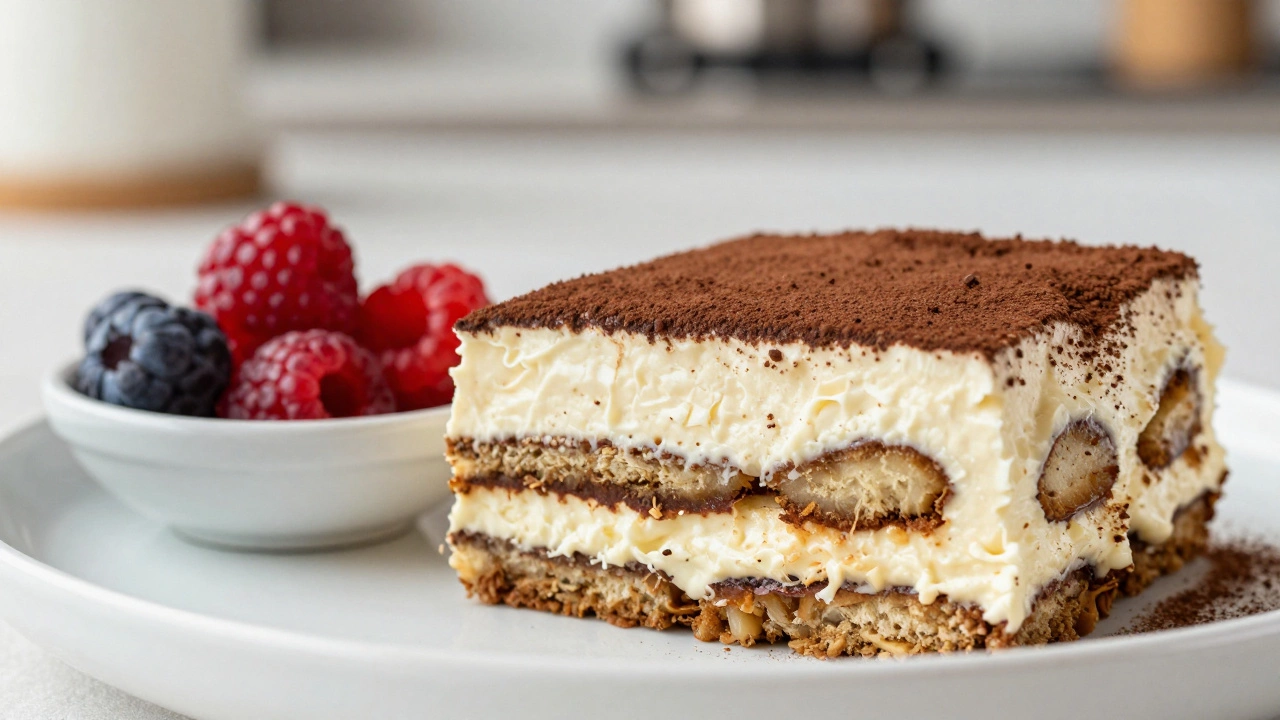
There is a psychological factor at play. Tiramisu is visually striking. The dusting of cocoa powder creates a high-contrast image that performs exceptionally well on social media platforms like Instagram and Pinterest. In the age of visual food marketing, desserts that "photograph well" gain disproportionate attention.
Furthermore, tiramisu is associated with sophistication. Ordering tiramisu signals a certain level of culinary appreciation. Ordering ice cream signals hunger. This association makes tiramisu more memorable. You remember the tiramisu you had at a fancy dinner in Paris. You forget the ice cream you ate after lunch. Memory bias inflates our perception of its prevalence.
Also, consider the exportability of the concept. Tiramisu travels well. It can be made in bulk for catering events, weddings, and hotels. It holds its shape better than a soufflé and doesn’t melt like ice cream (if kept refrigerated). This makes it a favorite for commercial food service, increasing its exposure in professional settings where people pay attention to what they are eating.
The Rise of Health-Conscious Alternatives
In 2026, the dessert landscape is shifting. Consumers are increasingly aware of sugar intake and dairy allergies. This threatens traditional heavy desserts like tiramisu. We are seeing a surge in vegan tiramisu recipes using cashew cream instead of mascarpone and aquafaba instead of egg whites. These variations keep the spirit of the dessert alive while adapting to new dietary norms.
However, this adaptation also fragments the market. A vegan tiramisu is not the same as the original. Does it count toward the same statistic? Probably not. Meanwhile, simple fruits like berries or apples remain consistent favorites because they require no processing. If we include whole fruits as desserts, they would likely rank #1 globally due to low cost and health benefits. But culturally, we rarely classify an apple as a "dessert" in the same way we classify a layered cake.
Conclusion: Prestige vs. Volume
So, is tiramisu the most consumed dessert in the world? No. Ice cream, followed closely by simple cakes and cookies, holds that title due to sheer volume and accessibility. Tiramisu, however, might be the most recognized plated dessert. It bridges cultural gaps, travels well, and offers a complex flavor profile that appeals to adults across continents.
If you are looking for the sweet treat that defines global comfort food, it’s ice cream. If you are looking for the dessert that defines global culinary elegance, it’s tiramisu. Both have their place, but they serve different jobs. One satisfies a craving quickly; the other celebrates an occasion.
What is the most popular dessert in the world by sales?
By pure sales volume and revenue, ice cream is widely considered the most popular dessert globally. It generates billions in annual sales across retail, restaurants, and specialty shops. Cookies and chocolate bars also compete closely in terms of total units sold, especially when considering packaged goods.
Where did tiramisu originate?
Tiramisu originated in Italy, specifically in the Veneto region (around Treviso and Venice) in the 1960s or early 1970s. There is debate between two restaurants: Alle Beccherie in Treviso and Hotel Roma in Torri di Quartesolo, both claiming to have invented the recipe first. It was added to the Slow Food Ark of Taste in 2010 to protect its traditional preparation.
Is tiramisu gluten-free?
Traditional tiramisu is not gluten-free because it uses ladyfingers (savoiardi), which are made from wheat flour. However, it is easy to make a gluten-free version by substituting regular ladyfingers with certified gluten-free ones or using sponge cake made from almond flour.
What are the main ingredients in authentic tiramisu?
Authentic Italian tiramisu consists of six key ingredients: Savoiardi (ladyfingers), strong espresso coffee, mascarpone cheese, eggs (separated yolks and whites), sugar, and unsweetened cocoa powder. Some variations add Marsala wine or rum, but purists argue these dilute the classic flavor profile.
Why is tiramisu so popular internationally?
Tiramisu’s popularity stems from its balance of flavors (bitter coffee and sweet cream), its visual appeal, and its association with Italian cuisine, which is beloved worldwide. It is also versatile enough to be adapted for various dietary needs (vegan, gluten-free) while maintaining its core identity, allowing it to cross cultural boundaries easily.