The Ultimate Cake Taste Test Calculator
Select the characteristics of your cake to calculate its potential "Tastiness Score" based on professional baking standards.
Ask ten people what the tastiest cake in the world is, and you’ll get ten different answers. Some will swear by a dense, fudgy New York cheesecake. Others will defend their grandmother’s vanilla sponge with buttercream. But if we strip away nostalgia and look at flavor intensity, texture, and global popularity, one contender consistently rises to the top: the German Chocolate Torte.
This isn’t just about sweetness. It’s about balance. The perfect cake hits every note-bitter, sweet, salty, creamy, and crunchy-all in one bite. Today, we’re breaking down why certain cakes dominate taste tests, how humidity affects your birthday cake experience, and which specific recipe might just change your mind forever.
The Science Behind "Tasty"
Before we crown a winner, let’s talk about why some cakes taste better than others. Taste isn’t just sugar hitting your tongue. It’s a combination of aroma, texture, and mouthfeel. When you eat a dry cake, your brain registers it as unpleasant because the fat content is too low to coat your palate. Fat carries flavor. Without enough butter or oil, even the best spices get lost.
Consider the Maillard reaction. This chemical process happens when proteins and sugars cook under heat, creating those complex, nutty flavors in browned crusts. A properly baked pound cake has a golden crust that adds depth. A pale, under-baked center lacks this complexity. That’s why professional bakers obsess over oven temperature. If your oven runs hot, the outside burns before the inside sets. If it’s too cool, the cake dries out while trying to rise.
Then there’s acidity. Lemon cakes taste brighter not just because of lemon juice, but because the acid cuts through the richness of the butter. Without that contrast, a rich cake feels heavy and cloying. The tastiest cakes usually have an acidic component-citrus, vinegar, buttermilk, or dark chocolate-to balance the sweetness.
The Top Contenders for Best Cake Ever
So, which cakes actually compete for the title? We’ve narrowed it down to three styles that consistently win blind taste tests and cultural reverence.
| Cake Type | Key Flavor Profile | Texture | Best For |
|---|---|---|---|
| German Chocolate Torte | Rich cocoa, toasted coconut, pecans | Dense, moist crumb | Chocolate lovers, special occasions |
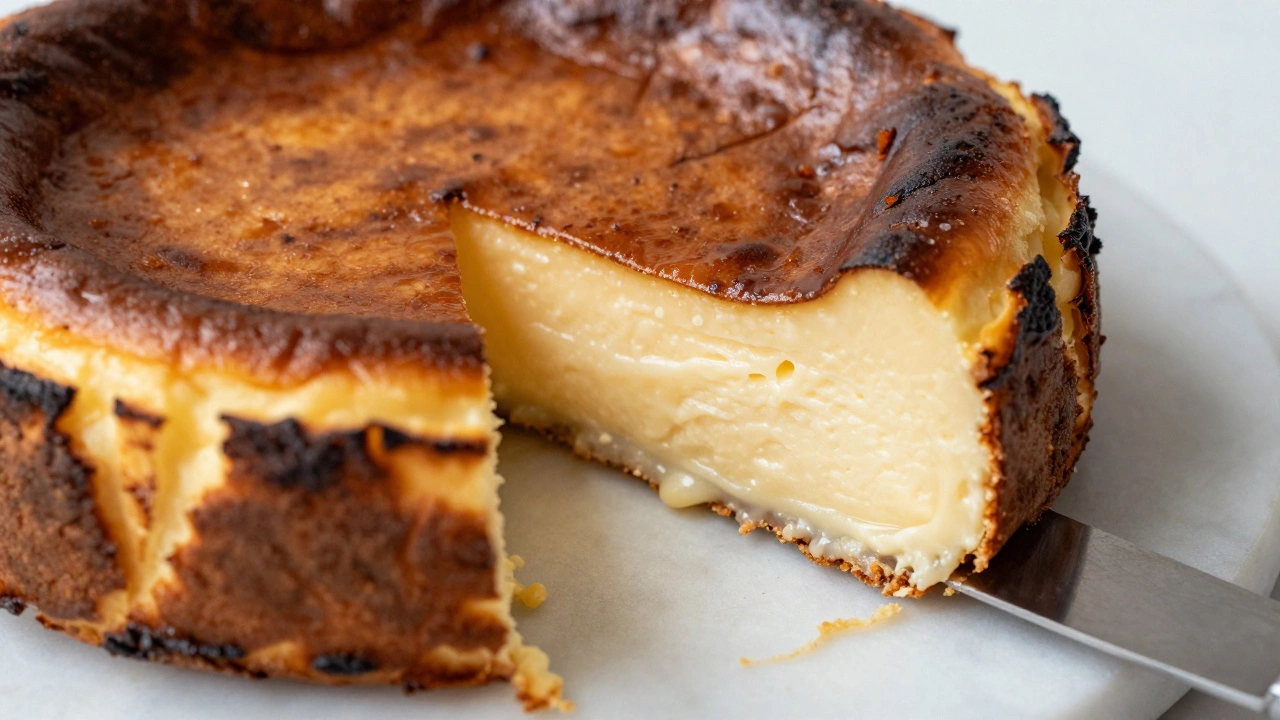
| Basque Burnt Cheesecake | Tangy cream cheese, caramelized top | Custard-like, creamy | Simplicity, elegant desserts |
| Sour Cream Coffee Cake | Brown sugar, cinnamon, tender crumb | Soft, slightly sticky | Morning coffee, casual gatherings |
The German Chocolate Torte often takes the crown because it combines multiple textures. You have the dense, almost brownie-like cake layer, topped with a thick, gooey frosting made from evaporated milk, egg yolks, and shredded coconut. The addition of toasted pecans provides a necessary crunch. This variety of textures keeps the eating experience interesting. Each bite offers something new.
The Basque Burnt Cheesecake has surged in popularity since its introduction in San Sebastian, Spain. Unlike traditional cheesecakes that require water baths and careful mixing to avoid cracks, this style embraces imperfection. The top is deeply caramelized, almost black, providing a bitter contrast to the ultra-creamy interior. It’s less sweet than American-style cheesecakes, making it more sophisticated for adult palates.
The Sour Cream Coffee Cake is the unsung hero. It’s not fancy, but it’s incredibly comforting. The sour cream ensures the crumb stays moist for days. The streusel topping adds buttery crunch. It pairs perfectly with strong coffee, making it a staple in households across Europe and North America.
Why Chocolate Torte Wins the Title
If we had to pick one, the German Chocolate Torte wins on versatility and depth. Dark chocolate contains compounds called flavonoids that can enhance mood. The bitterness of high-cocoa chocolate (70% or higher) balances the sweetness of the frosting. Many home bakers use semi-sweet chips, which are too sugary. Using real chocolate bars makes a huge difference.
The frosting is key. Traditional recipes call for cooking the mixture until it coats the back of a spoon. This creates a stable emulsion. If you skip this step, the frosting separates and becomes greasy. Adding a pinch of salt enhances the chocolate flavor. Salt suppresses bitterness and amplifies sweetness, allowing you to use less sugar without sacrificing taste.
Toasted coconut and pecans add essential fats. These nuts contain oils that carry aromatic compounds. Toasting them releases these aromas, making the cake smell irresistible before you even take a bite. Smell accounts for up to 80% of what we perceive as taste. A cake that smells amazing will always taste better than one that doesn’t.
The Birthday Cake Factor: Moisture Matters
You mentioned birthday cakes. Most store-bought birthday cakes fail because they prioritize shelf life over freshness. They use preservatives and stabilizers that keep them soft for weeks but make them taste waxy. Homemade birthday cakes shine because of moisture control.
A common mistake is overmixing the batter. Gluten forms when flour meets liquid and is agitated. Too much gluten makes the cake tough and chewy, like bread. Mix only until combined. Lumps are okay. They’ll disappear during baking.
Another secret ingredient? Mayonnaise or yogurt. Sounds weird, right? But both contain oil and acid. Replacing half the butter with mayonnaise keeps the cake incredibly moist. The acid tenderizes the gluten strands. The result is a crumb that melts in your mouth. Try it with a vanilla or chocolate base. You won’t taste the mayo; you’ll just taste a superior cake.
For birthday cakes, simplicity often wins. A layered vanilla sponge with fresh berries and whipped cream lets the fruit shine. Berries provide natural sweetness and acidity. Whipped cream is light and airy, contrasting with the dense cake. This combination feels celebratory without being overwhelming.
Regional Variations and Cultural Preferences
Taste is subjective, heavily influenced by culture. In Japan, matcha green tea cakes are prized for their earthy, slightly bitter flavor. Matcha contains L-theanine, which promotes relaxation. This makes the eating experience calming. In Mexico, tres leches cake (three milk cake) soaks up evaporated milk, condensed milk, and heavy cream. It’s incredibly rich and sweet, reflecting a preference for intense dairy flavors.
In Australia, where I live, pavlova is often considered the ultimate dessert. Though technically a meringue, it functions as a cake alternative. The crisp shell gives way to a soft, marshmallow-like interior. Topped with passionfruit and kiwi, it’s refreshing rather than heavy. This reflects our climate; lighter desserts feel better in humid weather.
Your local environment matters. Humidity affects how cakes bake. In Melbourne, summer humidity can make cakes collapse if the structure isn’t strong enough. Adding extra flour or reducing liquid slightly helps. In dry climates, cakes dry out faster. Brushing simple syrup on cooled layers adds moisture back in.
How to Make Your Own "Tastiest" Cake
You don’t need a professional kitchen to make a world-class cake. Here’s how to elevate any basic recipe:
- Use room temperature ingredients. Cold butter doesn’t cream properly. Eggs should be warm. This ensures a smooth, homogeneous batter.
- Weigh your ingredients. Cups are inaccurate. Flour compacts differently. A scale ensures consistency. Aim for 120 grams of all-purpose flour per cup, lightly spooned.
- Don’t open the oven door. Temperature drops cause cakes to sink. Wait until the last five minutes to check.
- Cool completely before frosting. Warm cake melts frosting. Patience prevents sliding layers.
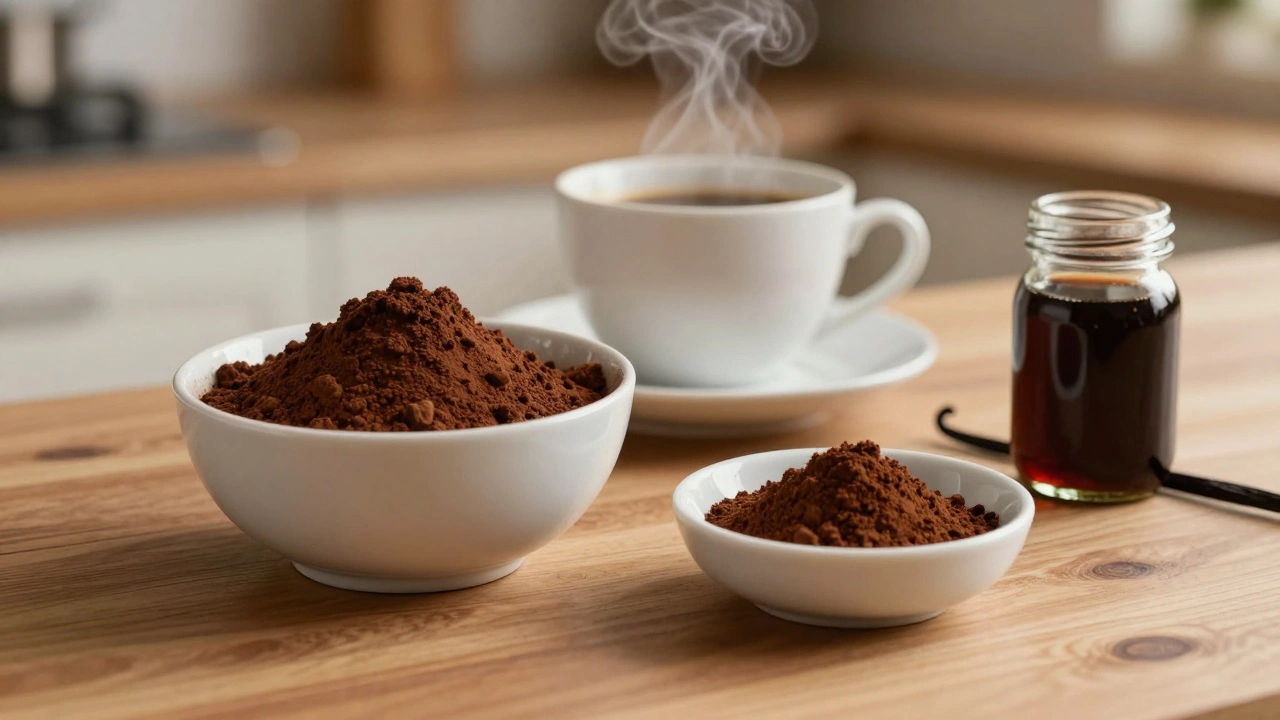
- Add extract generously. Vanilla extract enhances sweetness perception. Use pure vanilla, not imitation. Almond or hazelnut extracts add unique depth.
For a chocolate cake, replace some flour with cocoa powder. Dutch-process cocoa is less acidic and yields a darker color. Add espresso powder. Coffee intensifies chocolate flavor without making it taste like coffee. It’s a subtle boost that professionals rely on.
Common Mistakes That Ruin Cake Taste
Even good recipes fail due to execution errors. One major issue is using expired baking powder. Baking powder loses potency over time. If it doesn’t fizz when mixed with water, replace it. Flat cakes taste dense and boring.
Another error is substituting ingredients without adjusting ratios. Swapping applesauce for butter reduces fat, leading to dryness. Applesauce adds moisture but no structure. Use it sparingly, or add an extra egg for binding.
Overproofing yeast doughs also ruins texture. Yeast consumes sugar and produces gas. If left too long, the gluten network breaks down. The cake collapses. Watch rising times closely. Doubling in size is the goal, not tripling.
What is the most popular cake in the world?
Vanilla and chocolate cakes are the most popular globally. Their neutral flavors pair well with various frostings and fruits. However, regional favorites like Tres Leches in Latin America and Pavlova in Australia challenge this dominance.
Why does my homemade cake taste dry?
Dryness usually comes from overmixing, overbaking, or insufficient fat. Ensure you mix batter just until combined. Check doneness early with a toothpick. Add sour cream, yogurt, or buttermilk to increase moisture retention.
Is German Chocolate Torte actually German?
No, it’s named after Samuel German, who created a type of sweetened chocolate in the 1850s. The recipe originated in the United States, specifically Texas, in the mid-20th century. Despite the name, it’s distinctly American.
How do I make a cake taste more flavorful?
Enhance flavor with quality extracts, zest, and spices. Toast nuts before adding them. Use brown butter for a nutty aroma. Balance sweetness with acidity (lemon juice, vinegar) or bitterness (dark chocolate). Salt also amplifies existing flavors.
Can I freeze cake to keep it moist?
Yes, freezing preserves moisture effectively. Wrap unfrosted layers tightly in plastic wrap, then foil. Thaw overnight in the refrigerator. Frost once fully thawed. Avoid freezing frosted cakes unless the frosting is stable (like buttercream).
What makes a Basque Cheesecake different?
Basque Cheesecake is baked at high temperatures, creating a charred, caramelized top. The interior remains custard-like and creamy. It requires no water bath or sifting, making it easier to prepare than traditional cheesecakes.
Does humidity affect cake baking?
Yes, high humidity can prevent proper setting, causing cakes to collapse. Low humidity leads to drying. Adjust flour amounts slightly in humid conditions. Cover finished cakes to protect against ambient moisture absorption.