Fudge Chilling Time Calculator
Optimal Fudge Chilling Calculator
Get precise chilling times for perfect texture every time
Enter Fudge Temperature
Input your fudge's temperature right after pouring
Set Temperature Settings
Recommended target temperature for perfect fudge
Pro Tips for Perfect Fudge
- Let fudge sit at room temperature for 15 minutes before chilling
- Cover with plastic wrap directly on the surface to prevent condensation
- Chill for 2-3 hours minimum - never rush the process
- For best results: Chill overnight in the fridge
Ever made a batch of fudge, poured it into the pan, and then stared at it wondering whether to put it in the fridge or the freezer? You’re not alone. This simple question trips up even experienced bakers. The answer isn’t just about speed-it’s about texture, shine, and whether your fudge turns out creamy or crumbly. Let’s cut through the noise and give you the real, tested truth.
Why Fudge Needs to Chill
Fudge isn’t like brownies or cookies. It’s a sugar syrup that’s been cooked, cooled, and stirred until it crystallizes just right. Too much heat, and it stays sticky. Too little cooling, and it never sets. The magic happens when the sugar crystals form small, even clusters. That’s what gives fudge its melt-in-your-mouth feel. If you skip chilling, or do it wrong, you’ll end up with a greasy, grainy mess.
Fridge: The Goldilocks Zone
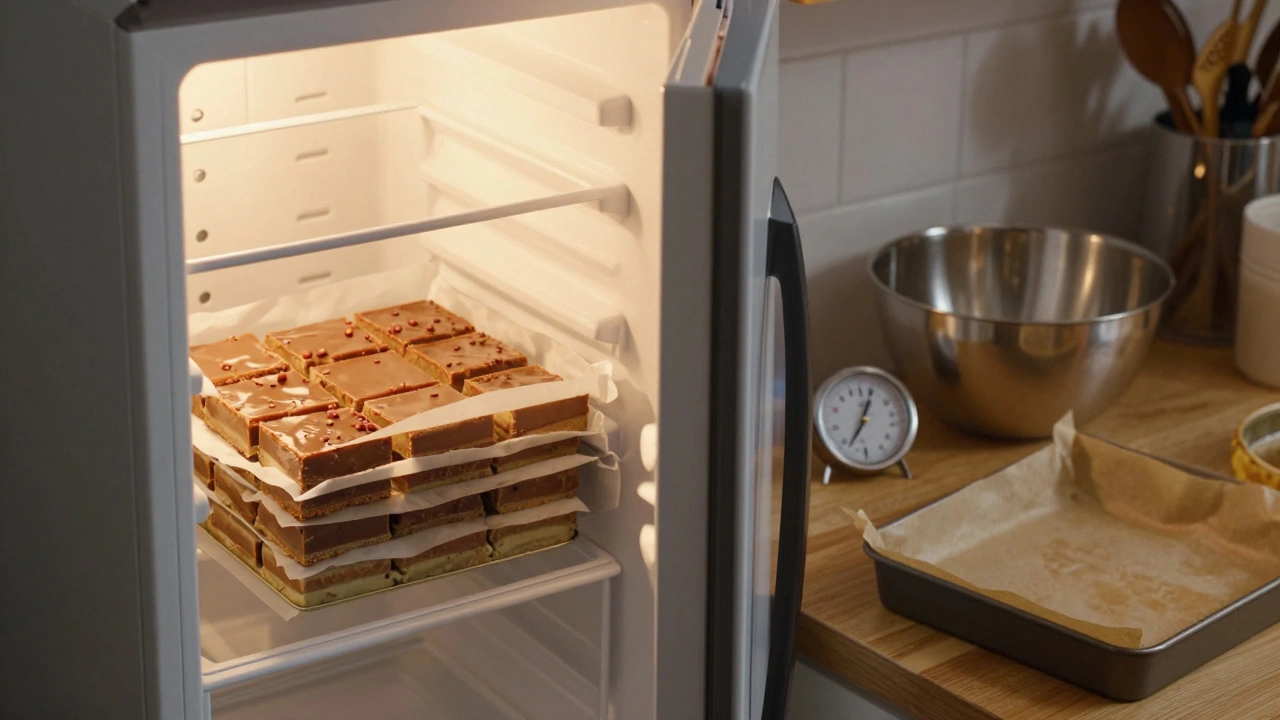
Most experts-including chocolatiers from Melbourne’s old-school confectioneries-agree: the fridge is the sweet spot. Set your fudge at around 4°C (39°F), and you get slow, even cooling. That’s key. Slow cooling lets the sugar molecules line up neatly. The result? Smooth, glossy, sliceable fudge.
Here’s how to do it right:
- Pour your hot fudge into a greased or parchment-lined pan.
- Let it sit at room temperature for 15 minutes. This lets the surface stop steaming and start to set slightly.
- Place it in the fridge. Not the door. The back, where it’s coldest and most stable.
- Wait 2 to 3 hours. No less. Rushing this step is the #1 reason fudge turns out too soft.
Why not leave it longer? Four hours is fine. Overnight? Also fine. The fridge won’t dry it out if it’s covered with plastic wrap. Just don’t let it sit uncovered-that’s how you get fridge odors in your chocolate.
Freezer: The Fast Track (That Often Backfires)
The freezer is tempting. It’s colder. Faster. You want fudge in an hour? Pop it in the freezer. But here’s what happens:
- Sudden temperature shock causes sugar to crystallize too fast.
- Large, uneven crystals form-your fudge gets grainy.
- The fat in the butter or chocolate separates slightly, leaving a greasy film on top.
- When you take it out, condensation forms. That moisture makes the surface sticky and dull.
Some people swear by the freezer because they’re in a hurry. But if you’ve ever bitten into fudge that tasted like chalky chocolate, this is why. The freezer doesn’t set fudge better-it ruins the texture.
There’s one exception: if you’re making fudge for cutting into small pieces and freezing them for later (like holiday gifts), then yes, freeze it after it’s already set in the fridge. But never chill it in the freezer to set it in the first place.
Room Temperature? Don’t Even Think About It
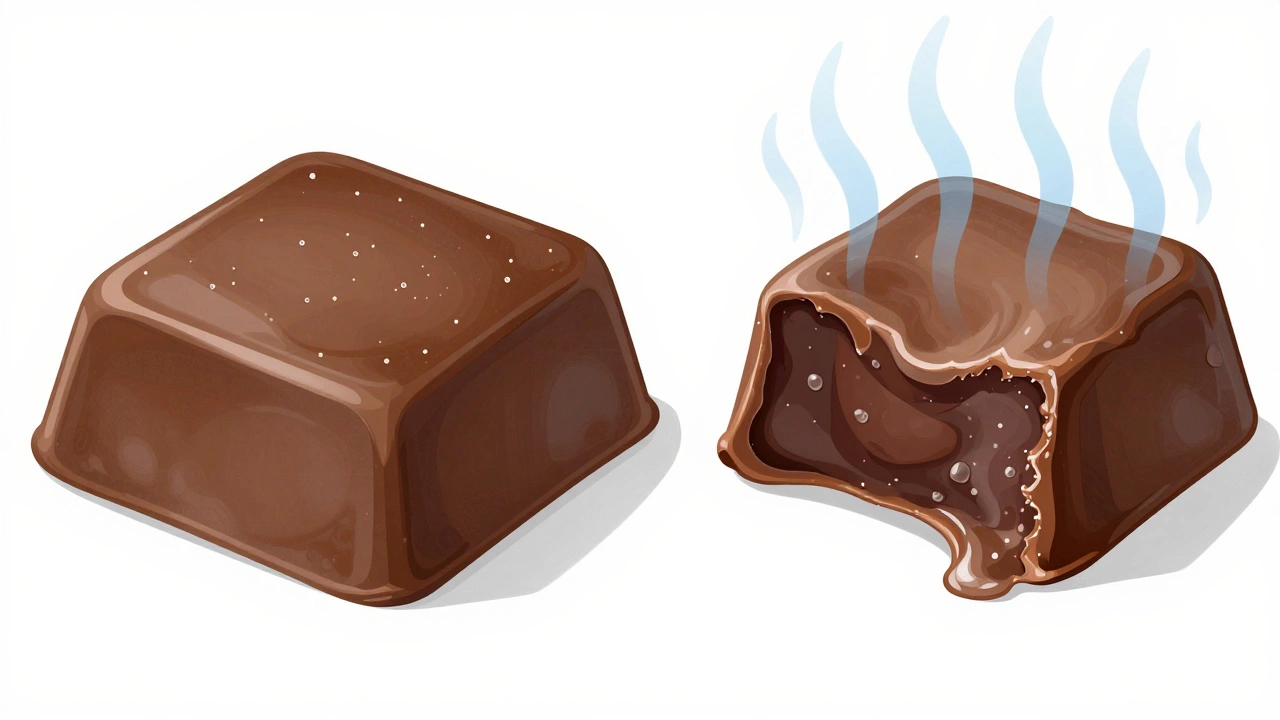
Some blogs say, “Just leave it out overnight.” That works in dry, cool climates. But in Melbourne, where humidity hits 70% in winter? No. Your fudge will absorb moisture, become sticky, and never firm up. Even in winter, room temperature setting is risky unless your kitchen is air-conditioned and below 20°C.
Pro Tips for Perfect Fudge Every Time
- Use a candy thermometer. Cook your fudge to exactly 114-116°C (237-240°F). Too low, and it’s too soft. Too high, and it’s crumbly.
- Don’t stir while cooking. Stirring before it cools introduces air and causes graininess.
- Stir after cooling. Once you take it out of the heat, let it sit for 5 minutes, then stir until it starts to lose its shine. That’s when the crystals begin to form.
- Line your pan. Parchment paper makes lifting and cutting way easier. Aluminum foil works too, if you grease it well.
- Use real chocolate. Chocolate chips melt fine, but high-quality couverture chocolate gives you that professional shine and snap.
What Happens If You Mess It Up?
Let’s say you put it in the freezer and it’s now grainy. Or you left it out and it’s still soft. All is not lost.
Soft fudge? Reheat it gently in a double boiler until it’s liquid again. Bring it back to 114°C, then pour it into a fresh pan and chill in the fridge.
Grainy fudge? It’s harder to fix. But you can turn it into chocolate sauce. Just warm it up with a splash of cream and pour it over ice cream. No one will know it was supposed to be fudge.
Storage After It’s Set
Once your fudge is properly chilled and cut into squares, store it in an airtight container. Layer it with parchment paper to prevent sticking. At room temperature, it lasts 1-2 weeks. In the fridge? Up to 3 weeks. In the freezer? Up to 3 months-just wrap it tightly in plastic and foil to avoid freezer burn.
And if you’re giving it as a gift? A decorative tin with wax paper between layers looks fancy and keeps it fresh.
Final Verdict
Chill fudge in the fridge. Not the freezer. Not the counter. The fridge. It’s the only method that gives you consistent, creamy, professional-quality results. The freezer might save you 30 minutes, but it costs you the texture you worked so hard to achieve. In fudge, patience isn’t optional-it’s the secret ingredient.
Next time you make a batch, remember: slow cooling = smooth fudge. Fast cooling = grainy disappointment. Choose wisely.
Can I chill fudge in the freezer to speed up the process?
No. Freezing fudge too quickly causes large sugar crystals to form, making it grainy and crumbly. The fat can also separate, leaving a greasy surface. Always let fudge set slowly in the fridge for the best texture.
How long does fudge take to set in the fridge?
Fudge typically takes 2 to 3 hours to set fully in the fridge. For best results, leave it overnight. Don’t rush it-fudge that’s not fully cooled won’t slice cleanly and may stay too soft.
Why does my fudge turn out sticky?
Sticky fudge usually means it didn’t cook long enough or didn’t chill properly. Make sure your mixture reached 114-116°C before removing it from heat. Also, always chill it in the fridge, not at room temperature, especially in humid climates like Melbourne.
Should I cover fudge while it’s chilling?
Yes. Cover the fudge with plastic wrap directly on the surface before putting it in the fridge. This prevents condensation and keeps out fridge odors. Don’t just put a lid on the pan-seal the surface.
Can I use the freezer to store fudge after it’s set?
Yes, but only after it’s already set in the fridge. Once cut into squares, wrap each piece tightly in plastic and then foil, then freeze. Fudge stored this way lasts up to 3 months and thaws beautifully at room temperature.