Find Your Perfect Cake Match
1. What is your current craving?
Your Perfect Match:
Ask ten people what the tastiest cake is, and you’ll likely get ten different answers. One person will swear by a dense, fudgy chocolate layer cake that melts in your mouth. Another will argue that nothing beats the bright, zesty punch of a classic lemon drizzle. Taste is deeply personal, shaped by memory, culture, and even the time of day. But while "super taste" is subjective, certain cakes consistently rise to the top because they master the balance of texture, flavor intensity, and moisture.
In this guide, we’re breaking down the contenders for the title of world’s best cake. We’ll look at why specific combinations of ingredients work so well, how baking techniques transform simple pantry staples into magic, and which cake fits every craving. Whether you are a home baker in Melbourne looking for weekend inspiration or just someone who wants to understand why some cakes hit the spot better than others, this breakdown has you covered.
The King of Comfort: Classic Chocolate Cake
A standard buttermilk chocolate cake relies on the acidity of the buttermilk to react with cocoa, intensifying the chocolate flavor. This chemical reaction, known as alkalization, deepens the color and makes the taste richer without adding extra sweetness. For a denser, more intense experience, many bakers prefer using melted dark chocolate instead of just powder. Dark chocolate contains cocoa butter, which adds a luxurious mouthfeel that powder simply can’t match.
If you want to elevate your chocolate game, consider these pro tips:
- Use coffee: Adding a tablespoon of instant espresso powder or strong brewed coffee doesn’t make the cake taste like coffee. Instead, it amplifies the chocolate notes, making them darker and deeper.
- Don’t overmix: Once you add the dry ingredients to the wet, mix only until combined. Overmixing develops gluten, leading to a tough, bread-like texture rather than a tender crumb.
- Cream butter and sugar: If your recipe calls for creaming butter and sugar, do it properly. Beat them until light and fluffy (about 3-5 minutes). This incorporates air, which helps the cake rise and creates a lighter texture.
The frosting matters just as much. A rich ganache made from heavy cream and dark chocolate provides a silky contrast to the cake’s crumb. Alternatively, a whipped buttercream keeps things lighter, letting the chocolate flavor shine without overwhelming the palate.
The Bright Crowd-Pleaser: Lemon Drizzle Cake
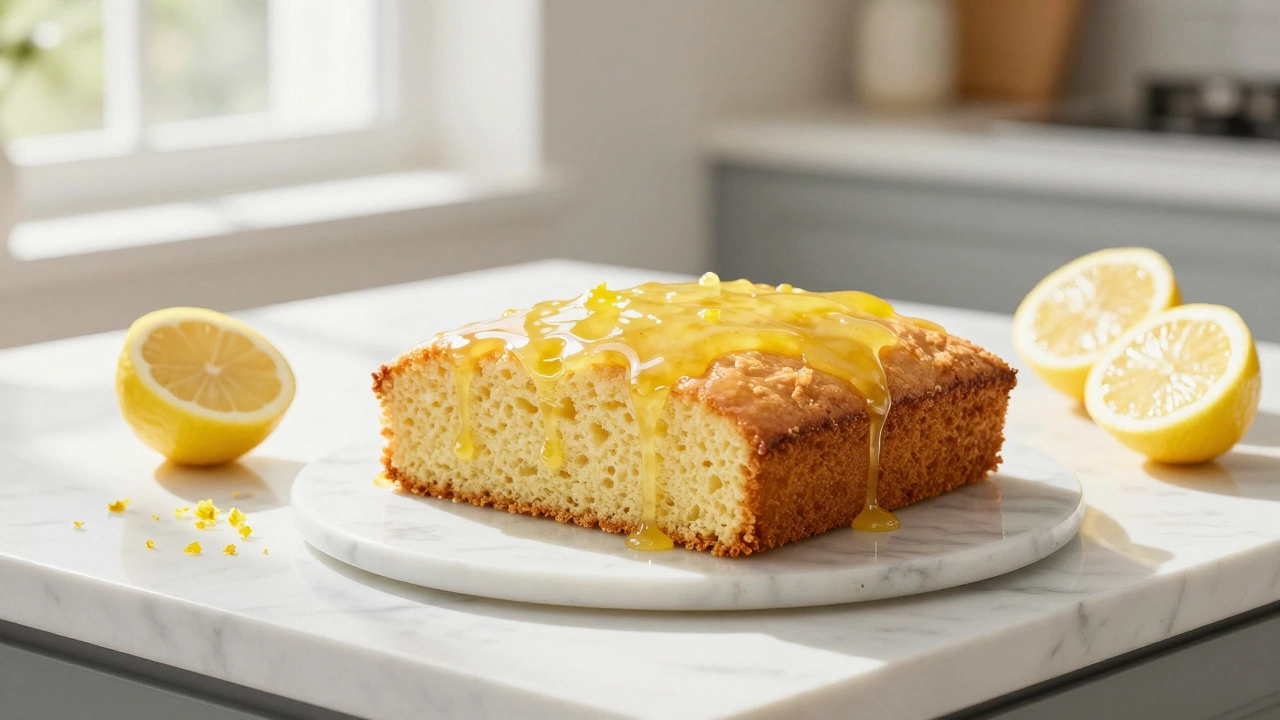
While chocolate wins on richness, Lemon Drizzle Cake wins on freshness. There is something universally appealing about the combination of sweet and sour. In Australian summers, especially here in Melbourne where the weather can shift quickly, a light, citrusy cake feels refreshing rather than heavy.
This cake is technically a pound cake variation, meaning it uses equal weights of flour, butter, sugar, and eggs. However, the addition of lemon zest and juice changes everything. Zest contains the essential oils of the lemon, providing an aromatic punch that boiling juice alone cannot achieve. When you mix fresh zest into the batter, those oils infuse the entire cake with fragrance.
The "drizzle" part is crucial. After baking, while the cake is still warm, you pour a mixture of lemon juice and icing sugar over it. The warm cake absorbs this syrup, creating a moist, sticky top layer that contrasts beautifully with the tender interior. This technique ensures the cake stays moist for days, solving one of the biggest problems with sponge cakes: drying out.
To make the best lemon drizzle cake:
- Ensure your butter is at room temperature. Cold butter won’t emulsify properly with the sugar, leading to a grainy texture.
- Grate the zest finely. Large chunks can be bitter; fine zest distributes flavor evenly.
- Poke holes in the warm cake before pouring the glaze. This allows the syrup to penetrate deeper into the crumb.
The Visual Showstopper: Red Velvet Cake
Red Velvet Cake is a fascinating case study in flavor history. Originally, the reddish hue came from a chemical reaction between natural cocoa (which was less processed then) and buttermilk. Today, food coloring gives it its signature look, but the flavor profile remains distinct. It’s not just chocolate cake dyed red. It’s a mild chocolate cake with a tangy buttermilk base, topped with cream cheese frosting.
The tanginess of the cream cheese frosting cuts through the sweetness of the cake, creating a balanced bite. This combination appeals to people who might find traditional buttercream too cloying. The texture should be velvety-hence the name-which requires careful attention to leavening. Baking soda reacts with the acidic buttermilk and vinegar often found in the recipe to create a fine, even crumb.
Common mistakes with Red Velvet include using too much food coloring, which can impart a metallic aftertaste, or neglecting the vinegar. Vinegar strengthens the gelatin structure of the eggs, helping the cake rise higher and stay tender. Without it, the cake can collapse or become dense.
The Elegant Standard: Vanilla Bean Sponge
It’s easy to dismiss vanilla cake as boring, but a high-quality Vanilla Bean Sponge is the ultimate test of a baker’s skill. Because there are no bold flavors like chocolate or berries to hide behind, every nuance comes through. Cheap vanilla extract tastes flat and alcoholic. Real vanilla bean paste or seeds provide a complex aroma with floral, woody, and creamy notes.
A great vanilla sponge is airy, light, and slightly chewy. It serves as the perfect canvas for fresh fruits, jams, or delicate icings. In professional patisserie, the ratio of egg whites to flour is critical. More egg whites mean a lighter, fluffier texture, while more flour creates a denser, bread-like crumb. For a classic Victoria Sponge style, you want a balance that holds together but dissolves easily on the tongue.
To maximize vanilla flavor:
- Toast the vanilla seeds lightly before adding them to the sugar. Heat releases the aromatic compounds.
- Use full-fat milk or buttermilk. Fat carries flavor molecules, so low-fat dairy results in a blander taste.
- Pair with complementary flavors like raspberry jam or elderflower cordial to enhance the subtle vanilla notes.
Comparison: Choosing Your Favorite
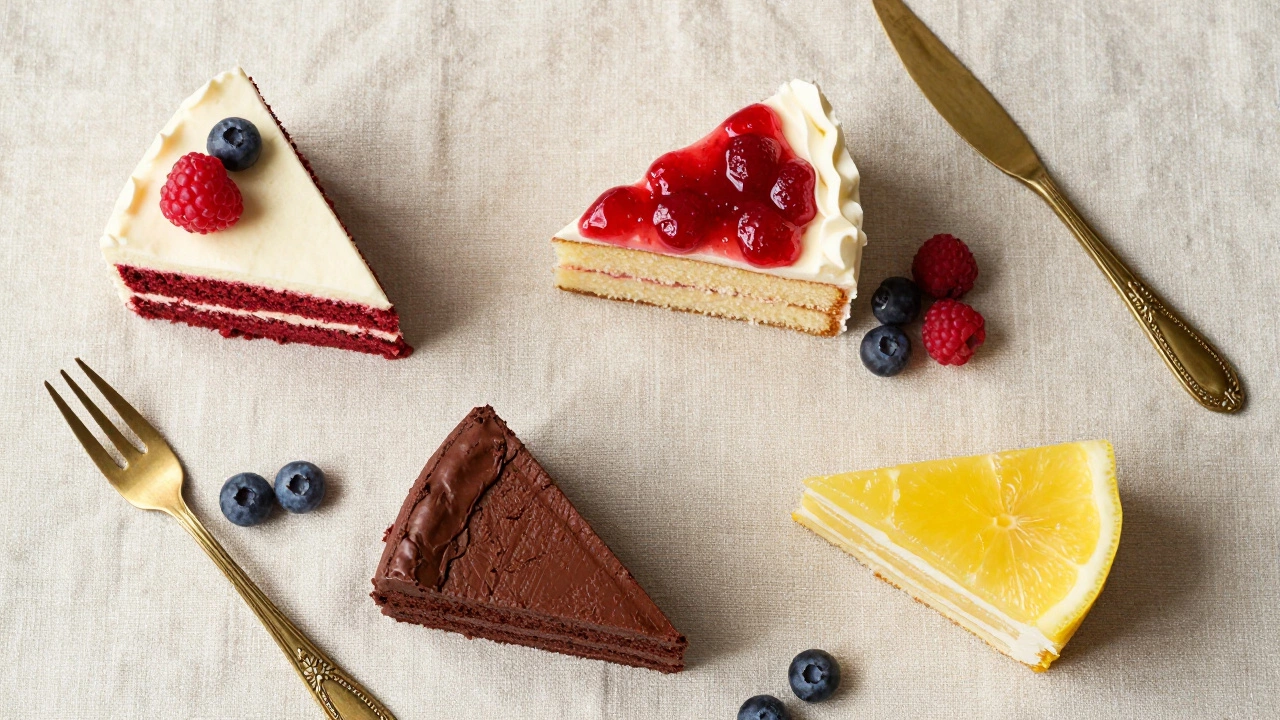
| Cake Type | Flavor Profile | Texture | Best Paired With | Dietary Notes |
|---|---|---|---|---|
| Chocolate | Rich, Deep, Earthy | Dense, Moist | Ganache, Coffee | Can be veganized easily |
| Lemon Drizzle | Tangy, Sweet, Fresh | Sticky, Tender | Whipped Cream, Tea | Gluten-free options available |
| Red Velvet | Mild Chocolate, Tangy | Velvety, Fine Crumb | Cream Cheese Frosting | Contains dairy and eggs |
| Vanilla Sponge | Subtle, Floral, Clean | Airy, Light | Fresh Berries, Jam | Base for many variations |
Baking Science: Why Some Cakes Fail
Even the best recipe can fail if the science isn’t respected. Temperature is the silent killer of good cakes. If your oven runs hot, the outside burns before the inside cooks. If it runs cold, the cake collapses. Invest in an oven thermometer. They are cheap and save countless batches.
Another common issue is ingredient temperature. Recipes often call for room-temperature eggs and butter. This isn’t just tradition; it’s physics. Room-temperature ingredients emulsify better, creating a stable batter that traps air bubbles. Cold ingredients separate, leading to a curdled batter and a dense, uneven cake. Take eggs out of the fridge 30 minutes before baking, or place them in a bowl of warm water for 10 minutes to speed up the process.
Finally, respect the resting time. Letting the cake cool in the pan for 10 minutes allows the structure to set. Removing it too early causes breakage. Leaving it too long makes it stick. Timing is everything.
Adapting for Dietary Needs
You don’t have to sacrifice taste for dietary restrictions. Gluten-free baking has come a long way. Using a blend of rice flour, almond flour, and xanthan gum can mimic wheat flour’s structure. Almond flour adds moisture and richness, which is particularly helpful in chocolate cakes.
Vegan baking swaps dairy and eggs for plant-based alternatives. Flax eggs (ground flaxseed mixed with water) work well in dense cakes like brownies or carrot cake. Aquafaba (chickpea water) whips up like egg whites, making it perfect for angel food cake or meringue toppings. Coconut cream replaces heavy cream in frostings, adding a subtle tropical note that pairs well with chocolate and citrus.
What is the most popular cake in the world?
Chocolate cake is widely considered the most popular cake globally due to its universal appeal across cultures and age groups. Its versatility allows for endless variations, from light sponges to dense mud cakes.
Why does my cake taste bland?
Blandness usually stems from low-quality extracts, insufficient salt, or under-baking. Salt enhances sweetness and depth. Ensure you’re using real vanilla bean paste rather than artificial extract, and always measure ingredients accurately.
How do I keep my cake moist for longer?
Add moisture-rich ingredients like yogurt, sour cream, or buttermilk. Brush the cooled cake layers with simple syrup before frosting. Store cakes in an airtight container at room temperature for up to three days, or freeze them for longer storage.
Can I use oil instead of butter in cake recipes?
Yes, oil keeps cakes moister than butter because it remains liquid at room temperature. However, butter provides superior flavor. Use neutral oils like vegetable or canola oil for moisture, or olive oil for a fruity note in citrus cakes.
What is the difference between cake flour and all-purpose flour?
Cake flour has a lower protein content (around 8%) compared to all-purpose flour (around 10-12%). Lower protein means less gluten development, resulting in a softer, more tender crumb. All-purpose flour creates a sturdier structure, better for pound cakes or layered cakes that need support.