American Cake Comparison Tool
Discover the differences between America's top 7 favorite cakes. Compare their key characteristics, popularity, and dietary adaptations side by side.
Texture: Moist, slightly chocolatey
Key Ingredients: Cocoa, vinegar, cream cheese frosting
Popularity: #2 national favorite
Adaptations: Vegan, gluten-free
Texture: Dense, rich
Key Ingredients: Dark cocoa, espresso, buttercream
Popularity: #1 national favorite
Adaptations: Vegan, gluten-free
Texture: Spiced, moist
Key Ingredients: Grated carrots, pineapple, cream cheese frosting
Popularity: #3 national favorite
Adaptations: Vegan, gluten-free
Texture: Dense, creamy
Key Ingredients: Cream cheese, sour cream, graham cracker crust
Popularity: #4 national favorite
Adaptations: Dairy-free, gluten-free
Texture: Light, fluffy
Key Ingredients: Rainbow sprinkles, vanilla
Popularity: #5 national favorite
Adaptations: Vegan, gluten-free
Texture: Dense, spiced
Key Ingredients: Granny Smith apples, cinnamon, brown sugar
Popularity: #6 national favorite
Adaptations: Vegan, gluten-free
Texture: Airy, light
Key Ingredients: Egg whites, sugar, cake flour
Popularity: #7 national favorite
Adaptations: Gluten-free, vegan
Compare Selected Cakes
Select up to 3 cakes to compare their attributes side-by-side
Ask anyone in the U.S. what their favorite cake is, and you’ll get a story-not just a flavor. It’s not just about sugar and flour. These cakes carry birthdays, holidays, family reunions, and even heartbreaks. They’re baked in kitchens from rural Alabama to suburban Seattle, passed down through generations, and sometimes even reinvented for TikTok. But some cakes rise above the rest. Here are the seven that truly own America’s dessert table.
Red Velvet Cake
Red velvet cake isn’t just red-it’s a cultural artifact. Its deep, burgundy hue comes from cocoa and vinegar reacting with food coloring, not from beets or berries as some myths claim. The cream cheese frosting? Non-negotiable. It’s the only topping that cuts through the cake’s slight tang and keeps it from feeling too sweet.
It became a national favorite after the Waldorf-Astoria Hotel served it in the 1920s, but it exploded in popularity after Southern Living published its recipe in the 1980s. Today, it’s the default birthday cake for kids and the go-to for Valentine’s Day. Even Walmart’s pre-made version sells over 10 million units a year. The cake doesn’t need to be fancy. It just needs to be moist, slightly chocolatey, and slathered in thick, tangy frosting.
Chocolate Layer Cake
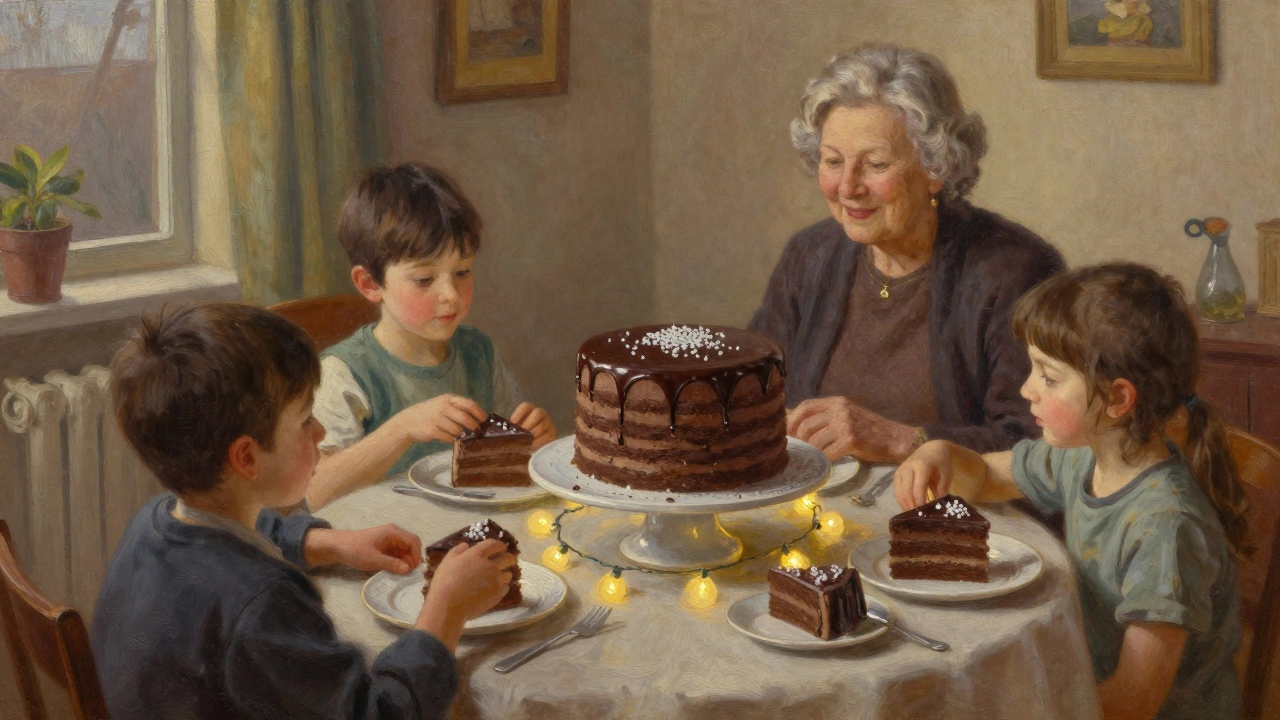
If red velvet is the show-off, chocolate layer cake is the quiet hero. It’s the cake you make when you want to say ‘I love you’ without saying a word. The best versions use dark cocoa powder-Dutch-processed, preferably-and a touch of espresso to deepen the flavor without making it taste like coffee.
In the 1950s, bakeries across the Midwest started stacking three or four layers, each filled with chocolate buttercream. It became the standard for weddings, graduations, and retirement parties. Today, it’s still the most-baked cake in American homes, according to a 2024 survey by the American Bakers Association. Why? Because it’s forgiving. Even if you overbake it a little, the frosting saves it. And if you’re feeling fancy, add a ganache drizzle or sea salt flakes.
Carrot Cake
Carrot cake sounds like a health food. It’s not. It’s a spice-laden, pineapple-studded, walnut-crunch monster disguised as nutrition. The secret? Grated carrots release moisture as they bake, keeping the cake tender for days. Cinnamon, nutmeg, and a hint of cloves give it warmth. And the cream cheese frosting? It’s the reason this cake refuses to die.
It rose to fame in the 1970s during the health food boom, but it stuck around because it’s the only cake that feels like a treat and a virtue at the same time. Parents sneak it into school lunches. Offices serve it on Fridays. Even vegans have adapted it with flax eggs and coconut oil. It’s not the flashiest cake, but it’s the one people keep coming back to.
Cheesecake
Cheesecake isn’t technically a cake. It’s a custard baked in a crust. But in America, it’s treated like royalty. New York-style cheesecake is dense, rich, and almost heavy-made with full-fat cream cheese, sour cream, and eggs. No flour. No baking powder. Just pure dairy.
It became a staple after Jewish immigrants brought it from Eastern Europe in the early 1900s. By the 1950s, New York’s Junior’s restaurant was drawing lines out the door. Today, you’ll find it in every state. Chicago’s version is lighter, with a graham cracker crust. Florida’s often has a citrus twist. But the classic New York style still dominates. It’s the cake you order when you want to treat yourself-and you don’t care about calories.
Funfetti Cake
Funfetti is the birthday cake for people who don’t want to think too hard. It’s vanilla cake, loaded with rainbow sprinkles, and frosted in buttercream that’s just sweet enough. The sprinkles aren’t just decoration-they’re part of the texture. They melt slightly into the cake, creating little bursts of sugar.
Pillsbury introduced it in 1989 as a convenience product, and it immediately became a staple for kids’ parties. Parents love it because it’s easy. Kids love it because it’s colorful. And adults? They secretly crave it too. There’s something nostalgic about that bright, sugary taste-it’s the flavor of childhood birthdays before Pinterest and gluten-free options.
Apple Cake
Apple cake doesn’t get the spotlight, but it’s the most consistent favorite in households with grandparents. It’s not a pie. It’s not a muffin. It’s a dense, spiced cake with chunks of tart Granny Smith apples folded in. Cinnamon, brown sugar, and a crumb topping make it feel like autumn in every bite.
It’s common in Pennsylvania Dutch communities and across the Midwest, where orchards still supply fresh fruit. Unlike apple pie, which can be fussy to make, apple cake is forgiving. You can use frozen apples. You can skip the crumb topping. You can even bake it in a loaf pan. It’s the cake you make when you have too many apples and not enough time. And it’s the one that gets passed down in handwritten recipe cards.
Angel Food Cake
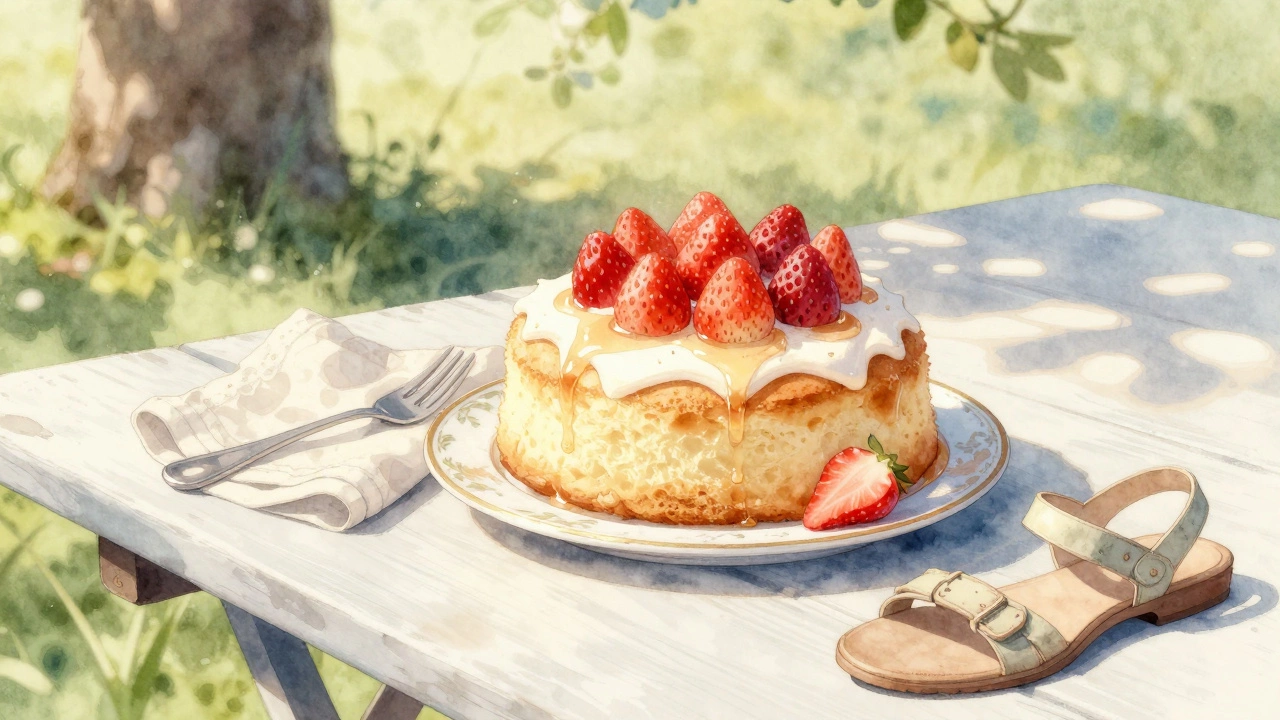
Angel food cake is the opposite of heavy. Made with egg whites, sugar, and cake flour, it’s airy, almost cloud-like. It doesn’t use butter or oil. That’s why it’s so light. And why it’s been a favorite since the 1800s, when home bakers started using electric mixers to whip egg whites to stiff peaks.
It’s often served with fresh berries and a drizzle of syrup. In the South, it’s a staple at Easter. In California, it’s the go-to dessert for summer picnics. It’s the cake you eat when you want something sweet but don’t want to feel guilty. And it’s the only cake that’s still made the old-fashioned way-with a tube pan and a lot of patience.
Why These Cakes Endure
These seven cakes didn’t become favorites because they’re the most complex. They won because they’re reliable. They taste like memory. They’re the cakes your grandma made. The ones you ate at your first birthday party. The ones you bake when you need comfort.
They’re also adaptable. Red velvet can be vegan. Carrot cake can be gluten-free. Cheesecake can be no-bake. Even Funfetti has dairy-free versions now. But the core hasn’t changed. They’re sweet. They’re shared. And they’re meant to be eaten with your hands.
There’s no national poll that declares a single winner. But if you walked into 100 American homes on a Saturday afternoon, you’d find one of these seven cakes on the counter. That’s not luck. That’s legacy.
What is the most popular cake in America?
Chocolate layer cake is the most popular, according to annual baking surveys by the American Bakers Association. It’s the top choice for birthdays, weddings, and holidays because it’s versatile, forgiving, and universally loved. Red velvet and cheesecake are close behind, especially in the South and Northeast.
Why is red velvet cake so popular?
Red velvet cake stands out because of its striking color and unique flavor balance. The slight tang from vinegar and buttermilk, combined with cocoa and cream cheese frosting, creates a taste that’s neither too sweet nor too rich. Its popularity surged after Southern Living published its recipe in the 1980s, and it became a cultural icon through media and holidays like Valentine’s Day.
Is cheesecake really a cake?
Technically, no. Cheesecake is a custard baked in a crust, not a leavened batter like traditional cakes. But in American baking culture, it’s treated as a cake because of how it’s served-sliced, on plates, for celebrations. The name stuck, and so did the tradition.
Can you make these cakes gluten-free or vegan?
Yes. Most of these cakes have been successfully adapted. Gluten-free flour blends work well in chocolate and carrot cakes. Vegan versions use flax eggs, plant-based butter, and coconut milk. Red velvet can be made with beet juice instead of food coloring. Even cheesecake has dairy-free versions using cashew or tofu bases. The flavors still hold up.
What’s the easiest cake to bake for beginners?
Funfetti cake is the easiest. Boxed mixes are widely available, and the sprinkles hide imperfections. If you’re baking from scratch, angel food cake is simple too-it only needs egg whites, sugar, and flour. No butter, no mixing complicated ingredients. Just whip, pour, and bake.
Which cake lasts the longest?
Carrot cake and apple cake last the longest because the fruit adds moisture and acts as a natural preservative. Stored in the fridge, they stay fresh for up to five days. Cheesecake also keeps well, thanks to its dense texture. Angel food cake dries out faster and is best eaten within two days.