Vegan Gummy Candy Checker
Select all the ingredients you see on your gummy candy package. The tool will analyze them for vegan suitability.
Quick Tips
- 🔍 Look for: Pectin, starch, agar-agar
- ❌ Avoid: Gelatin, beeswax, carmine
- ✅ Certifications: Vegan Society logo
- 💡 Remember: When in doubt, contact the manufacturer
Selected Ingredients:
Recommended Alternatives:
That familiar tangy-sweet taste of a gummy bear is a childhood memory for millions. But if you’ve switched to a plant-based diet, that little fruit-shaped treat might be causing some serious confusion. You pick up a bag, check the back, and see words like "gelatin" or "bovine collagen." Suddenly, that innocent snack feels less innocent. So, are Haribo gummy bears vegan? The short answer is no. In fact, almost none of their classic products are suitable for vegans or even vegetarians.
This isn’t just about Haribo being stubborn; it’s about how gummy candies have been made for decades. To understand why your favorite candy isn’t vegan-friendly, we need to look at the ingredients list, specifically the sticky stuff that gives these treats their bounce. Let’s break down exactly what’s inside those bears, where the animal products come from, and what you can eat instead without sacrificing that chewy texture.
The Gelatin Problem: Why Most Gummies Aren't Vegan
The main reason Haribo and most other traditional gummy brands aren’t vegan is gelatin. If you’ve ever wondered why gummies don’t melt in your hand like chocolate but still dissolve in your mouth, gelatin is the hero ingredient. It provides that unique elastic texture known as "snap" and "chew." Gelatin is a protein derived from collagen, which is found in animal skin, bones, and connective tissues. It is typically sourced from pigs (porcine) or cows (bovine). When you buy a standard bag of Haribo Goldbears, you are essentially consuming processed animal parts. For vegans, who avoid all animal exploitation and byproducts, this is a hard dealbreaker. Even for lacto-ovo vegetarians, gelatin is often excluded because it involves slaughterhouse byproducts.
Haribo has been transparent about this for years. Their website and packaging clearly state that their gummies contain gelatin. They source this primarily from pork and beef. This means that whether you are avoiding meat for ethical, religious, or health reasons, the classic Haribo experience is off-limits.
Is There Any Vegan Haribo Product?
You might hope that a massive global brand like Haribo would have a secret vegan line hidden in the aisle. Unfortunately, as of 2026, Haribo does not produce a widely available, certified vegan range of gummy candies. While they experiment with different recipes in various markets, their core identity is built on gelatin-based confectionery.
However, there is a nuance here. Some older or specific regional varieties might use starch or pectin instead of gelatin, but these are rare exceptions rather than the rule. For example, in some European markets, certain licorice-style candies might be gelatin-free, but you cannot assume any Haribo product is safe without checking the label meticulously. The brand itself advises consumers to check local packaging because formulations vary by country due to regulatory differences and consumer preferences.
Even if a specific Haribo candy doesn’t list gelatin, cross-contamination is a risk. Many of their factories process both gelatin-containing and non-gelatin products. For strict vegans who avoid any potential animal contact, this shared machinery is another red flag.
Pectin vs. Gelatin: The Texture Difference
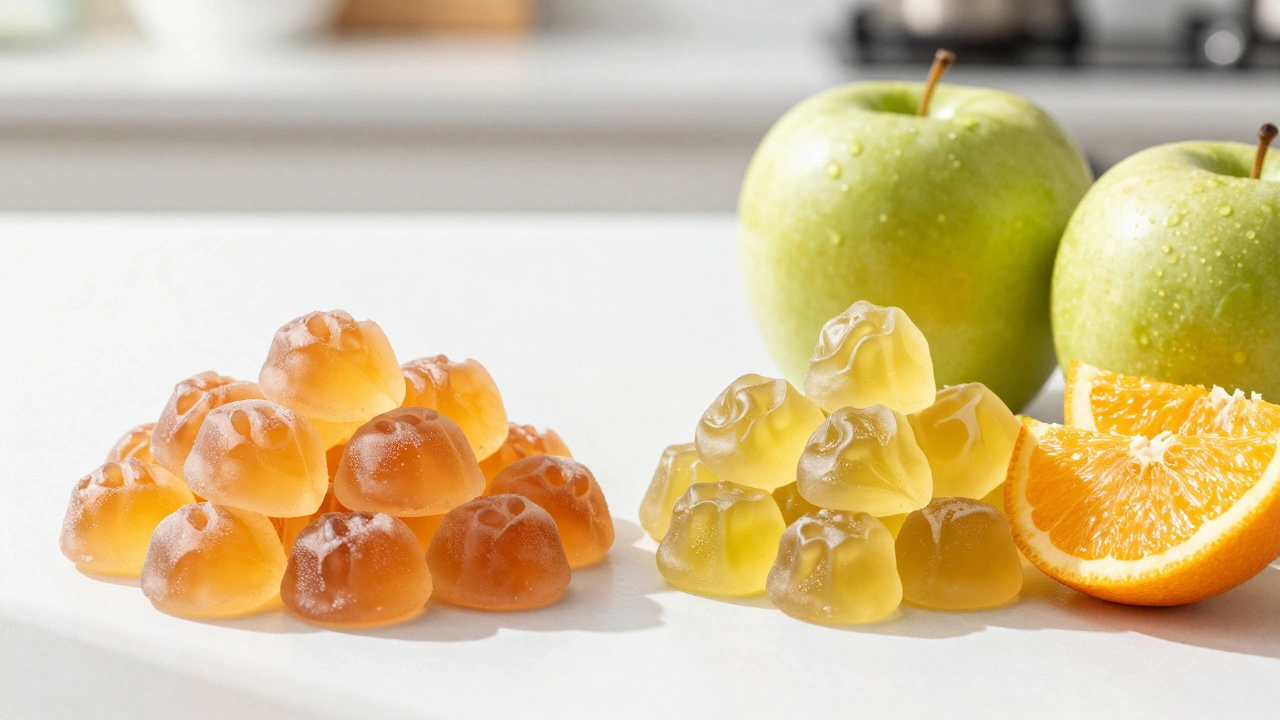
If gelatin is the enemy of veganism in candy, then pectin is its savior. Pectin is a natural fiber found in fruits, particularly apples and citrus peels. It’s the same substance that helps jams set. When used in gummies, pectin creates a firmer, slightly more brittle texture compared to the bouncy chew of gelatin.
| Ingredient | Source | Texture | Dietary Suitability |
|---|---|---|---|
| Gelatin | Animal collagen (pig/cow) | Bouncy, chewy, melts slowly | Not vegan, not vegetarian |
| Pectin | Fruit fibers (apple/citrus) | Firm, snaps easily, dissolves faster | Vegan, vegetarian, gluten-free |
| Starch (Corn/Potato) | Plants | Chalky, soft, less elastic | Vegan, vegetarian |
Many people miss the specific "mouthfeel" of gelatin when switching to pectin-based gummies. It’s a valid preference. However, modern food science has improved pectin formulations significantly. Brands like Sweet Earth, YumEarth, and Made Good have mastered the art of creating pectin gummies that are surprisingly close to the real thing. They might not bounce quite as high, but they offer that satisfying chew without the animal ingredients.
Hidden Non-Vegan Ingredients in Candy
Gelatin isn’t the only trap for vegans in the candy aisle. Even if a gummy bear were made with pectin, other ingredients could disqualify it. Here’s what to watch out for:
- Beeswax: Often used as a glazing agent to give hard candies and some gummies a shiny finish. Since bees are animals, beeswax is not considered vegan.
- Carmine (Cochineal): A bright red dye made from crushed cochineal insects. It’s commonly used in red-colored candies. Look for E120 on labels in Europe.
- Shellac: Another insect-derived resin used for polishing candies. It comes from the lac bug.
- Lactose/Milk Powder: Found in cream-filled chocolates or certain flavored gummies. Even trace amounts can be an issue for dairy-free vegans.
When scanning labels, always look for the word "vegetarian" or "vegan" certification logos. In Australia and many other countries, these certifications are rigorous. If a product lacks a clear statement, assume it contains animal derivatives until proven otherwise.
Best Vegan Gummy Alternatives to Haribo
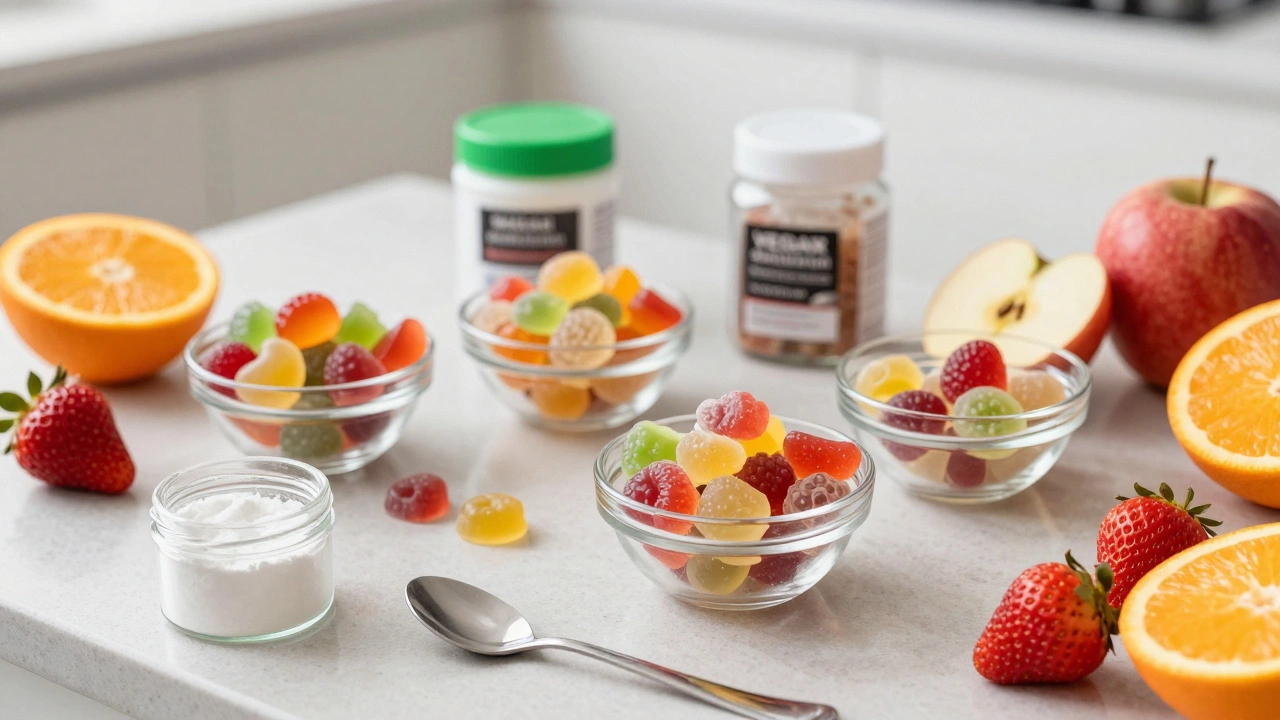
Missing Haribo doesn’t mean you’re stuck eating plain fruit leather. Several brands have stepped up to fill the gap left by traditional gummy manufacturers. Here are some reliable options available in 2026:
- Sweet Earth Gummies: These are perhaps the closest match to Haribo in terms of flavor intensity. They use organic cane sugar and pectin. Flavors like Sour Patch Kids knock-offs are particularly popular.
- YumEarth: Known for being free from artificial colors and flavors. Their sour worms and gummy bears are firm favorites among parents looking for cleaner ingredients.
- Made Good: These are grain-free, nut-free, and soy-free. They use tapioca syrup and pectin. The texture is softer, which some people prefer.
- Local Australian Brands: Down under, brands like Free2b or smaller artisanal makers often sell vegan gummies in health food stores. Check the "Vegan Desserts" section in local co-ops.
If you’re feeling adventurous, making your own gummies is easier than you think. You’ll need unflavored pectin powder, fruit juice, and a sweetener like agave or maple syrup. Simmer them together, pour into molds, and let them set. You control every ingredient, ensuring no hidden gelatin slips in.
Why Do People Still Buy Haribo?
Despite the rise of vegan alternatives, Haribo remains a market leader. Why? Tradition and cost. Gelatin is cheaper to produce than high-quality pectin blends. Additionally, the taste profile of gelatin gummies-specifically how they release flavor slowly-is hard to replicate perfectly. For non-vegans, the price point and nostalgic taste win out.
For vegans, the shift requires a change in habit. You have to actively seek out alternatives rather than grabbing the most recognizable brand. But once you find a pectin gummy you like, you may never go back. The transparency of vegan brands often extends to fair-trade sourcing and organic ingredients, offering benefits beyond just dietary compliance.
Are any Haribo products vegan?
No, Haribo does not currently offer a certified vegan range. Almost all their products contain gelatin derived from pork or beef. Always check the label, but generally, you should avoid Haribo if you are strictly vegan.
What is the difference between gelatin and pectin?
Gelatin is made from animal collagen (skin and bones), giving gummies a bouncy texture. Pectin is extracted from fruits like apples, providing a firmer, snapier texture. Pectin is vegan-friendly, while gelatin is not.
Can vegetarians eat Haribo?
Most vegetarians do not eat Haribo because gelatin is a slaughterhouse byproduct. While it doesn't contain muscle meat, it is derived from animals killed for food. Strict vegetarians usually avoid it, though some flexible vegetarians might consume it.
How can I tell if a gummy candy is vegan?
Look for keywords like "pectin," "starch," or "agar-agar" in the ingredients list. Avoid "gelatin," "collagen," or "E441" (which can be gelatin). Certified vegan logos are the easiest way to confirm safety.
Are Haribo Goldbears halal?
This depends on the region. In some countries, Haribo uses porcine gelatin, which is not halal. In others, they may use bovine gelatin from halal-certified sources. You must check the specific packaging for a halal certification logo.