Cheesecake Cream Substitution Calculator
Calculate the correct amount of substitute ingredients to replace heavy cream in your cheesecake recipe based on the method described in the article.
You’ve just started mixing your batter. The cream cheese is smooth, the sugar is dissolved, and then you reach for the carton of heavy cream. It’s empty. Panic sets in. Do you run to the store at midnight? Or do you grab the half-and-half sitting right next to it? It looks similar. It pours similarly. But if you swap them blindly, your cheesecake might turn into a soggy, curdled mess instead of that dense, creamy dream you’re aiming for.
The short answer is: yes, you can use half-and-half, but only if you adjust your expectations and your method. They are not interchangeable in a 1:1 ratio without consequences. Understanding why requires looking at what actually happens inside the oven.
The Fat Factor: Why Heavy Cream Wins
To understand why recipes call for heavy cream, we need to talk about fat. Heavy cream typically contains between 36% and 40% milk fat. This high fat content is the secret weapon of a good cheesecake. Fat coats the proteins in the cream cheese, preventing them from tightening up too much when heated. This results in that signature silky, melt-in-your-mouth texture.
Half-and-half, on the other hand, is exactly what its name suggests: a mix of milk and cream. It usually sits around 10% to 18% milk fat. That’s a massive drop. If you simply pour half-and-half into your batter in place of heavy cream, you are adding significantly more water and less fat. Water evaporates during baking, creating steam. Too much steam can lead to cracking, sinking, or a grainy texture as the proteins scramble without enough fat to cushion them.
Think of it like this: heavy cream provides structure and richness. Half-and-half provides volume and moisture. In a delicate balance like cheesecake, swapping structure for moisture changes the final product entirely.
What Happens If You Just Swap It?
If you ignore the fat difference and just swap the liquids one-for-one, here is what you will likely get:
- A looser set: Your cheesecake won’t be as firm. It might jiggle excessively even after chilling.
- Less richness: The flavor will taste thinner, closer to a custard than a dense cheesecake.
- Higher risk of cracking: Without the fat barrier, the egg proteins can overcook and tighten, pulling the surface apart.
- Potential curdling: If you heat the mixture too quickly, the lower-fat liquid can separate from the solids, giving you a grainy mouthfeel.
This doesn’t mean it will be inedible. It will still taste sweet and creamy. But it won’t have that professional, restaurant-quality density. For a no-bake cheesecake, the impact is less severe because gelatin or whipped cream often provides the structure. For a traditional baked New York-style cheesecake, the stakes are higher.
How to Make the Substitution Work
If you are determined to use half-and-half, you can mitigate the risks by making a few adjustments. You aren’t just replacing a liquid; you are trying to replicate the functional properties of heavy cream.
Option 1: The Butter Boost (Best for Baked Cheesecakes)
Since half-and-half lacks fat, add some back in. For every cup of heavy cream your recipe calls for, use 1 cup of half-and-half plus 2 tablespoons of melted unsalted butter. This helps bring the fat percentage closer to where it needs to be. Whisk the butter in thoroughly so it emulsifies with the dairy.
Option 2: Reduce the Liquid
Because half-and-half has more water, you can try reducing the total amount of liquid slightly. Use ¾ cup of half-and-half for every 1 cup of heavy cream required. This reduces the steam factor and prevents the batter from becoming too watery. However, this also means you lose some volume, so your cheesecake might be slightly smaller.
Option 3: Switch to No-Bake
If you haven’t started baking yet, consider switching to a no-bake recipe. No-bake cheesecakes rely on whipped cream or gelatin for structure rather than the coagulation of eggs and heat. In these recipes, the fat content of the cream is less critical because the air incorporated during whipping does the heavy lifting. Half-and-whip works surprisingly well here if you chill it thoroughly before whipping.
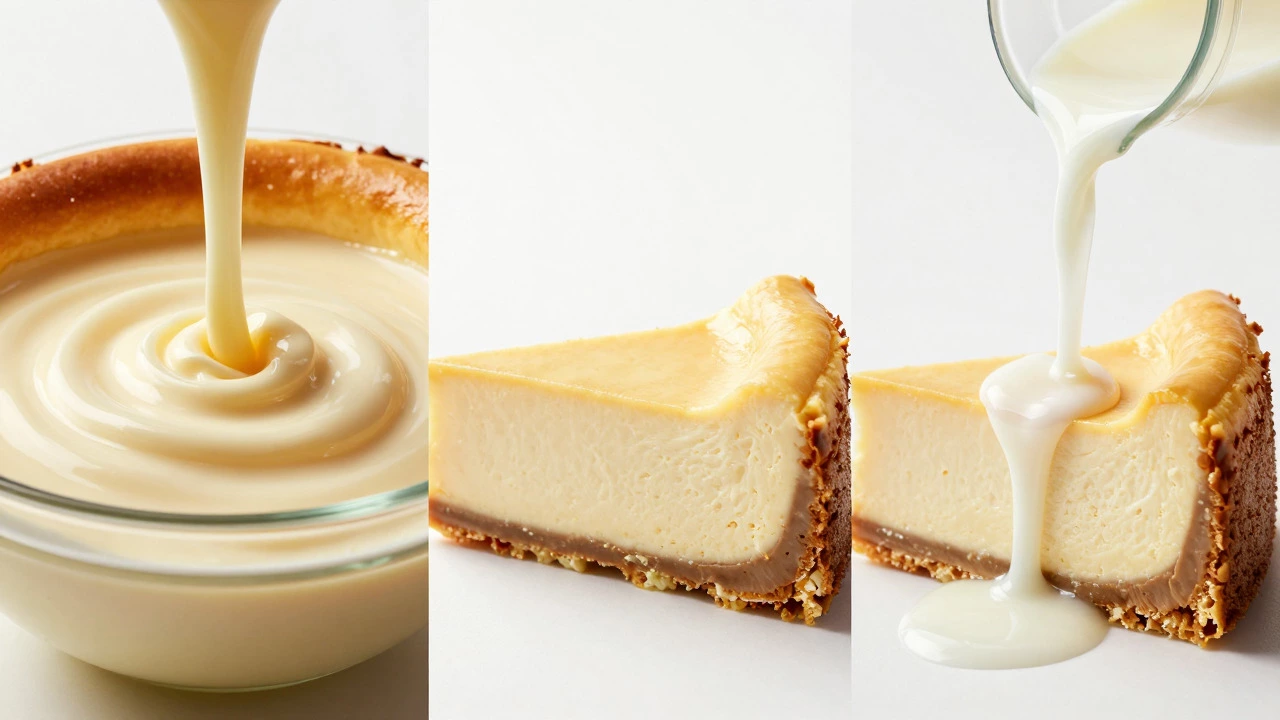
Better Alternatives to Half-and-Half
Before you commit to half-and-half, check your fridge for these better substitutes that mimic heavy cream’s behavior more closely:
| Substitute | Fat Content | Ratio (per 1 cup Heavy Cream) | Best For |
|---|---|---|---|
| Whipping Cream | 30-36% | 1:1 | Direct swap. Nearly identical results. |
| Evaporated Milk | 7-8% | 1:1 (plus 2 tbsp butter) | Baked cheesecakes. Provides body without dilution. |
| Coconut Cream | 20-25% | 1:1 | Dairy-free options. Adds coconut flavor. |
| Whole Milk + Butter | ~35% (combined) | 7/8 cup milk + 1/8 cup melted butter | Emergency swaps. Mimics fat profile. |
Evaporated milk is often the unsung hero of pantry substitutions. Because the water has been removed, it is thicker and richer than regular milk. While its fat content is low, its protein structure holds up well under heat. Adding a bit of butter brings the fat up, making it a superior choice to half-and-half for baked goods.
Tips for Success with Lower-Fat Dairy
If you proceed with half-and-half, follow these rules to protect your dessert:
- Keep everything cold: Chill your half-and-half, cream cheese, and eggs. Cold ingredients slow down the cooking process, giving you more control over the setting time.
- Don’t overmix: Once you add the eggs, mix gently. Overmixing incorporates air, which expands and then collapses in the oven, leading to cracks. This is especially important with lower-fat liquids that offer less structural support.
- Use a water bath: A water bath (bain-marie) creates a humid environment that cooks the cheesecake gently and evenly. This is non-negotiable if you are using a lower-fat substitute, as it prevents the edges from overcooking before the center sets.
- Check doneness early: Start checking your cheesecake 10 minutes before the recipe’s suggested time. With more water content, the center may set differently. Look for a slight wobble in the center, not a liquid pool.
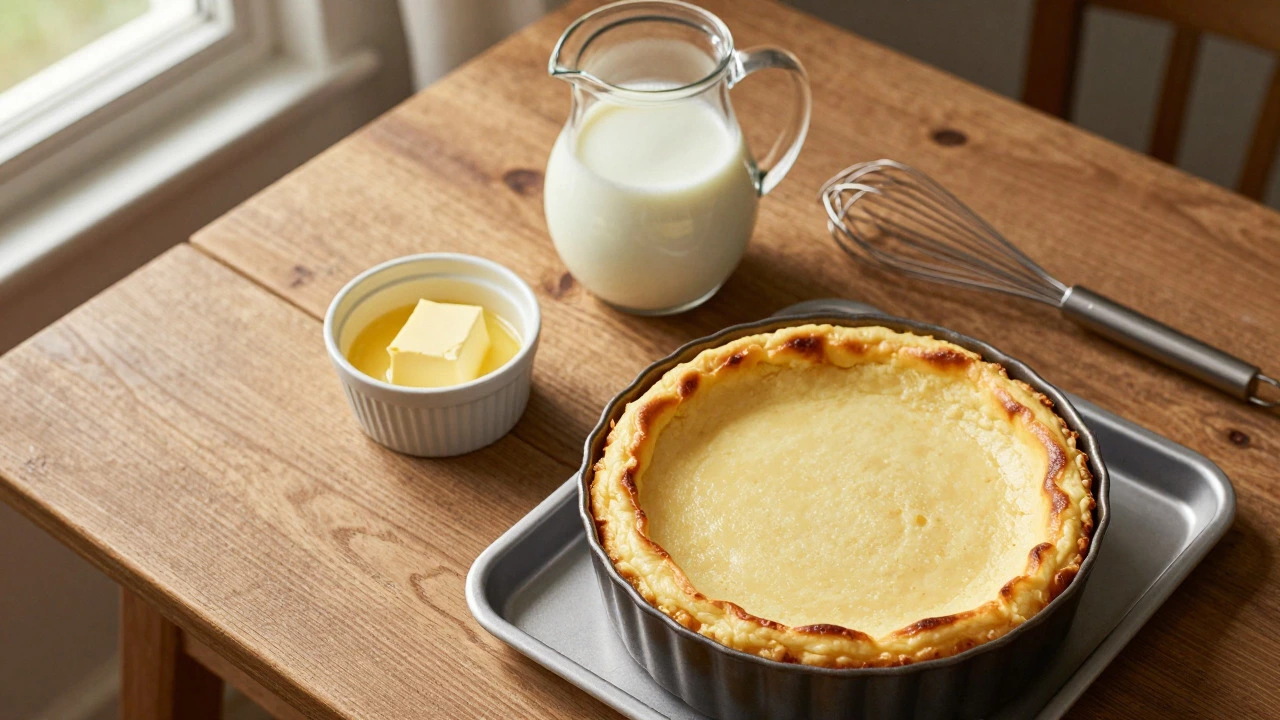
When to Avoid the Swap Entirely
Some cheesecake styles rely heavily on the specific properties of heavy cream. If you are making a New York-style cheesecake, which is known for its dense, almost fudgy texture, stick to heavy cream or whipping cream. The high fat content is essential for that specific mouthfeel. Half-and-half will result in a lighter, fluffier cake that loses the iconic density.
Similarly, if you are making a whipped cream topping for your cheesecake, half-and-half is a bad idea. It rarely whips up to stiff peaks unless it is very cold and you add stabilizers. For toppings, heavy cream is irreplaceable.
Frequently Asked Questions
Can I use half-and-half in a no-bake cheesecake?
Yes, you can. No-bake cheesecakes rely on gelatin or whipped cream for structure, so the fat content of the liquid is less critical. However, the texture will be slightly lighter and less rich than if you used heavy cream. Ensure you chill the half-and-half thoroughly before whipping it if it is part of the topping.
Will my cheesecake crack if I use half-and-half?
It is more likely to crack. The lower fat content means less protection for the egg proteins, which can tighten and pull the surface apart as they cook. Using a water bath and avoiding overmixing can help minimize this risk.
Is there a difference between half-and-half and light cream?
In many regions, they are similar, but not identical. Light cream usually has a slightly higher fat content (18-30%) compared to standard half-and-half (10-18%). Light cream is a better substitute for heavy cream than half-and-half is, but it still falls short of the 36%+ fat needed for optimal cheesecake texture.
Can I make heavy cream from half-and-half?
Not really. You cannot easily concentrate the fat in half-and-half without specialized equipment. However, you can approximate the fat content by adding melted butter. For every cup of half-and-half, add 2-3 tablespoons of melted butter to get closer to the fat profile of heavy cream.
Does using half-and-half affect the baking time?
It might require a slightly longer baking time because of the higher water content. The extra water needs to evaporate for the cheesecake to set properly. Keep an eye on the edges; if they look done but the center is still very loose, continue baking in 5-minute increments.