Gluten-Free Macaron Safety Checker
Traditional macarons are naturally gluten-free, but hidden risks lurk in fillings and kitchens. Check your scenario below.
Awaiting Input...
Select options and click check to see risk assessment.
Safe Low risk for most people.
Caution Potential cross-contamination or hidden additives.
High Risk Likely contains gluten or significant cross-contact.
You’re at a dinner party, eyeing that colorful stack of French macarons, and you freeze. Your friend mentioned they’re gluten-free, but your brain screams "flour!" You don’t want to risk the cross-contamination or the mystery ingredients. Here is the straight answer: Traditional French macarons are naturally gluten-free because they rely on almond flour instead of wheat. But-and this is a big but-they are one of the most fragile treats when it comes to hidden gluten sources.
If you have celiac disease or a severe sensitivity, you can’t just grab any box from the bakery counter. You need to know exactly what goes into them, where they’re made, and how to spot the sneaky additives that turn a safe cookie into a stomach ache. Let’s break down the anatomy of a macaron so you can eat with confidence.
The Core Ingredients: Why They Are Naturally GF
Unlike cookies, cakes, or breads, a classic French macaron doesn’t contain any wheat flour in its base batter. The structure comes entirely from whipped egg whites and finely ground nuts. This makes them inherently safer than almost any other pastry for people avoiding gluten.
The magic lies in the combination of three main components:
- Almond Flour (TPT): This is ground almonds mixed with powdered sugar. It provides the body and texture. Since almonds are naturally gluten-free, this is your safety net.
- Egg Whites: Whipped to stiff peaks, these provide the lift and the iconic "feet" of the macaron.
- Sugar: Usually granulated or powdered sugar, both of which are pure sucrose and gluten-free.
Because there is no starch-based binder like wheat flour, the risk of gluten isn’t in the recipe itself-it’s in the processing and the extras.
The Hidden Dangers: Where Gluten Hides
So, if the recipe is clean, why do some bakers warn against store-bought macarons? It comes down to contamination and additives. Here is what you need to watch out for.
Cross-Contamination in Kitchens
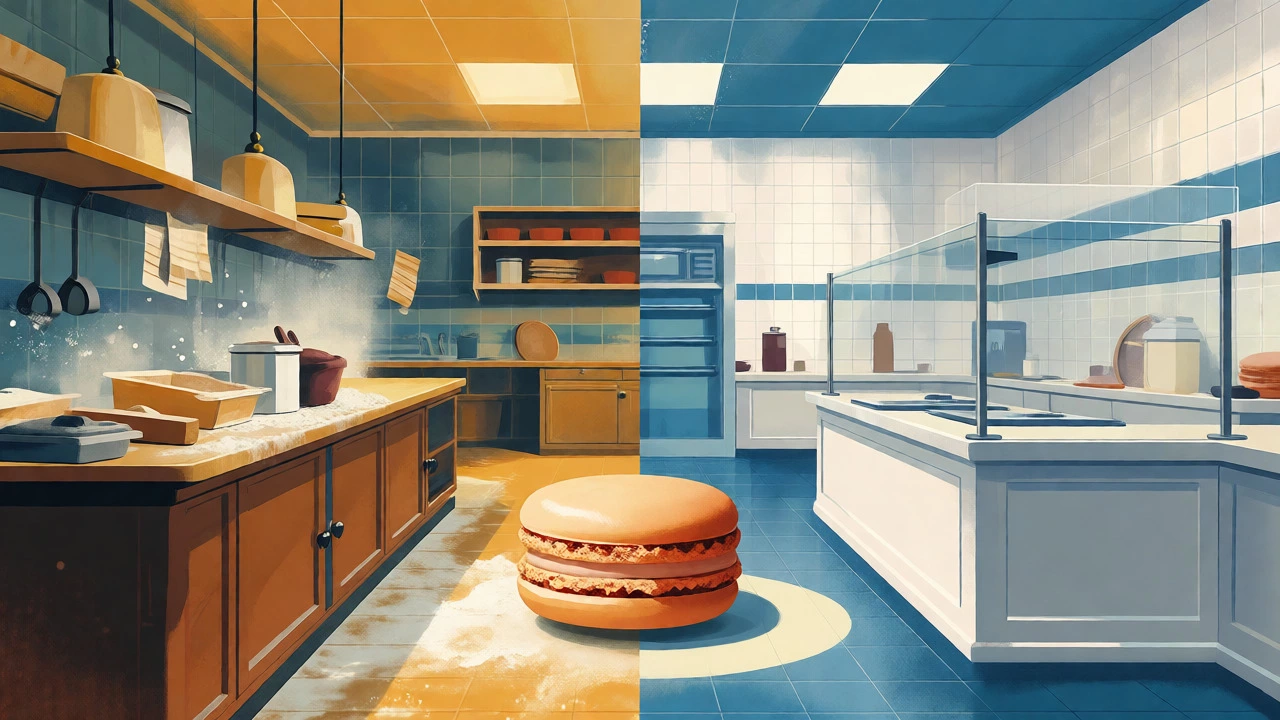
This is the number one enemy for those with celiac disease. Many bakeries make macarons alongside croissants, baguettes, and cakes. If the same staff handles flour-dusted trays and then pipes macaron batter without washing hands or changing gloves, airborne wheat particles land on your treat. Even a microscopic amount of flour dust can trigger a reaction.
In Melbourne, I’ve noticed many dedicated gluten-free cafes keep separate prep areas, but general patisseries often share ovens and counters. Always ask: "Do you bake wheat products in the same kitchen?"
Additives and Fillings
The shell might be safe, but the filling is where things get tricky. While ganache (chocolate and cream) and fruit curds are usually fine, some fillings include thickeners or flavorings derived from wheat.
| Component | Typical Status | Risk Factor |
|---|---|---|
| Almond Shells | Naturally GF | Cross-contamination from shared ovens/kitchens |
| Ganache Filling | Naturally GF | Check chocolate brands for wheat starch stabilizers |
| Buttercream | Usually GF | Some commercial mixes use modified food starch (check source) |
| Food Coloring | Varies | Liquid dyes rarely contain gluten; powder dyes might have anti-caking agents |
Also, keep an eye on food coloring. Most liquid gels are safe, but some cheaper powdered colors use wheat starch as an anti-caking agent to prevent clumping. It’s rare, but it happens.
Italian vs. French Macarons: Does the Method Matter?
You might hear about two methods: French and Italian. Both are gluten-free by nature, but they differ in stability and ease of making.
The French method involves whipping egg whites with granulated sugar directly. It’s simpler but less stable. The Italian method uses a hot sugar syrup poured into the egg whites. This cooks the eggs slightly and creates a more stable meringue.
For gluten-free diets, the method doesn’t change the gluten content. However, the Italian method produces shells that are less likely to crack, meaning fewer failed batches where you might be tempted to add flour to "fix" the texture. Never add flour to fix a macaron mixture-that’s a rookie mistake that ruins the gluten-free status.
Store-Bought vs. Homemade: Making the Right Choice
Should you buy them or bake them? It depends on your level of caution and your time budget.
Buying from a Bakery
Look for certifications. In Australia, the Coeliac Australia accreditation logo is a gold standard. If a bakery has this, their testing protocols are rigorous. If not, ask specific questions. Don’t settle for "it’s probably okay." Ask for the ingredient list. If they can’t provide it, walk away.
Supermarket macarons are often mass-produced. Check the label for "may contain traces of wheat." This warning means the factory processes wheat nearby. For mild sensitivities, this might be fine. For celiac, it’s a red flag.
Baking at Home
Making them yourself gives you total control. You know exactly what went into the bowl. Plus, fresh homemade macarons taste infinitely better than the stale ones sitting under plastic wrap.
Here is a quick checklist for home baking:
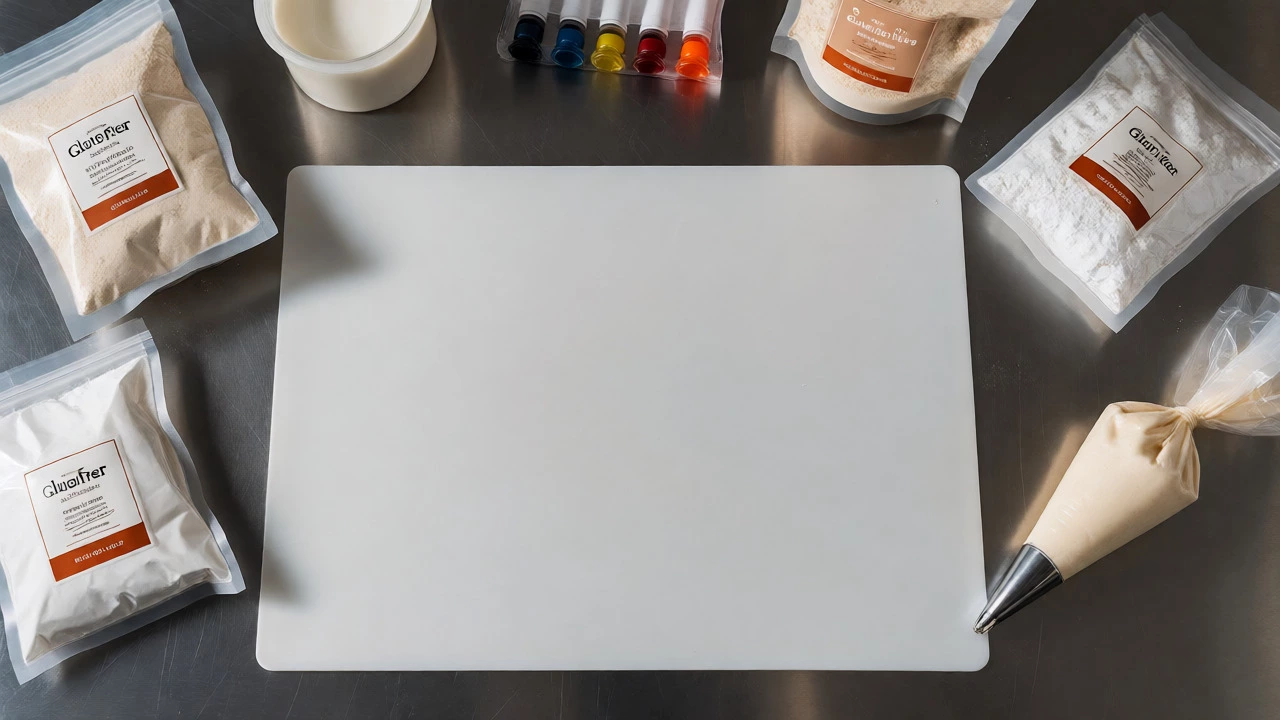
- Buy Certified GF Almond Flour: Some bulk bins have cross-contact issues. Stick to sealed packages labeled gluten-free.
- Use Pure Powdered Sugar: Avoid icing sugars with cornstarch if you are sensitive to corn too, though corn is generally GF. Ensure no wheat starch was added.
- Clean Everything: Wipe down your work surface and bowls before starting. No crumbs allowed.
- Parchment Paper: Use silicone mats or parchment paper, never grease pans with butter that might have been touched by a knife used on bread.
Troubleshooting Common Myths
There are a few myths floating around that confuse people. Let’s clear them up.
Myth 1: Coconut Macaroons are the same as Macarons. False. Macaroons are dense, chewy cookies made from shredded coconut and often condensed milk. They are also typically gluten-free, but they are a completely different dessert. Confusing the two can lead to buying the wrong thing, but luckily, both are usually safe.
Myth 2: All nut flours are gluten-free. Most are, but not all. Wheat flour is sometimes blended with nut flours in pre-mixed kits. Always read the label on "macaron mix" packets. Some cheap mixes add wheat starch to help with binding.
Myth 3: Gelato or Ice Cream fillings are always safe. Not necessarily. Some ice creams use cookie pieces or wafer cones inside. If the filling includes crushed biscuits, check those biscuits. A vanilla bean gelato is safe; a "cookies and cream" filling might not be.
How to Eat Them Safely: A Quick Decision Tree
When you’re standing in front of a display case, run through this mental checklist:
- Is it a dedicated GF bakery? Yes → Safe.
- Is it a regular bakery? Ask about cross-contamination. If they bake bread daily, assume risk.
- Are they packaged? Read the allergen statement. Look for "Wheat" or "Barley" or "Rye."
- Are you making them? Use certified ingredients. Clean workspace. Safe.
Remember, the shell is just the vessel. The filling and the environment determine the true safety profile. When in doubt, choose plain flavors like vanilla, pistachio, or lemon curd over complex ones that might hide additives.
Frequently Asked Questions
Are all macarons gluten-free?
The traditional recipe is naturally gluten-free as it uses almond flour. However, store-bought versions may contain wheat due to cross-contamination in bakeries or additives in fillings and colorings. Always check labels or ask the baker about their kitchen practices.
Can celiacs eat macarons?
Yes, provided they are sourced from a dedicated gluten-free facility or baked at home using certified gluten-free ingredients. Cross-contamination is the primary concern for celiacs, so avoid macarons from bakeries that handle significant amounts of wheat flour.
What is the difference between macarons and macaroons?
Macarons are delicate French sandwich cookies made with almond flour, egg whites, and sugar. Macaroons are dense, chewy cookies made primarily from shredded coconut. Both are typically gluten-free, but they differ significantly in texture, appearance, and origin.
Does almond flour contain gluten?
Pure almond flour does not contain gluten. However, it can be processed in facilities that also process wheat, leading to cross-contamination. Those with celiac disease should purchase almond flour specifically labeled "certified gluten-free" to ensure safety.
Why do my homemade macarons taste eggy?
This usually happens if the shells were underbaked. Macarons need sufficient time in the oven to dry out and set properly. Underbaking leaves the interior moist and retains a raw egg flavor. Ensure your oven temperature is accurate and bake until the feet are formed and the tops are firm.