Birthday Cake Cost Estimator
Cake Details
Estimated Cost Breakdown
Total Estimated Price
*Based on average market rates in AUD/USD equivalents*
You’re staring at the bakery counter, wallet in hand, wondering if that $65 price tag for a simple vanilla sponge is a rip-off or just standard practice. It’s a common dilemma. Normal cake isn’t a single thing; it’s a spectrum ranging from a $12 supermarket sheet cake to a $150 artisanal masterpiece. The price depends entirely on who made it, what’s inside, and how much labor went into the icing.
If you want the quick answer: A standard 8-inch round birthday cake from a local bakery typically costs between $40 and $70 AUD (approx. $25-$45 USD) as of 2026. Supermarket versions hover around $15-$25. Homemade cakes can cost $10-$20 in ingredients but demand two hours of your life. Let’s break down why these numbers vary so wildly and help you decide which tier fits your party without breaking the bank.
The Three Tiers of Cake Pricing
Understanding where your money goes requires splitting the market into three distinct categories. Each serves a different purpose and comes with a different price logic.
| Cake Type | Average Price Range | Labor Intensity | Best For |
|---|---|---|---|
| Supermarket/Grocery | $15 - $30 | Low (Pre-made) | Last-minute needs, kids' parties |
| Local Bakery | $45 - $80 | Medium (Standard) | Family birthdays, office celebrations |
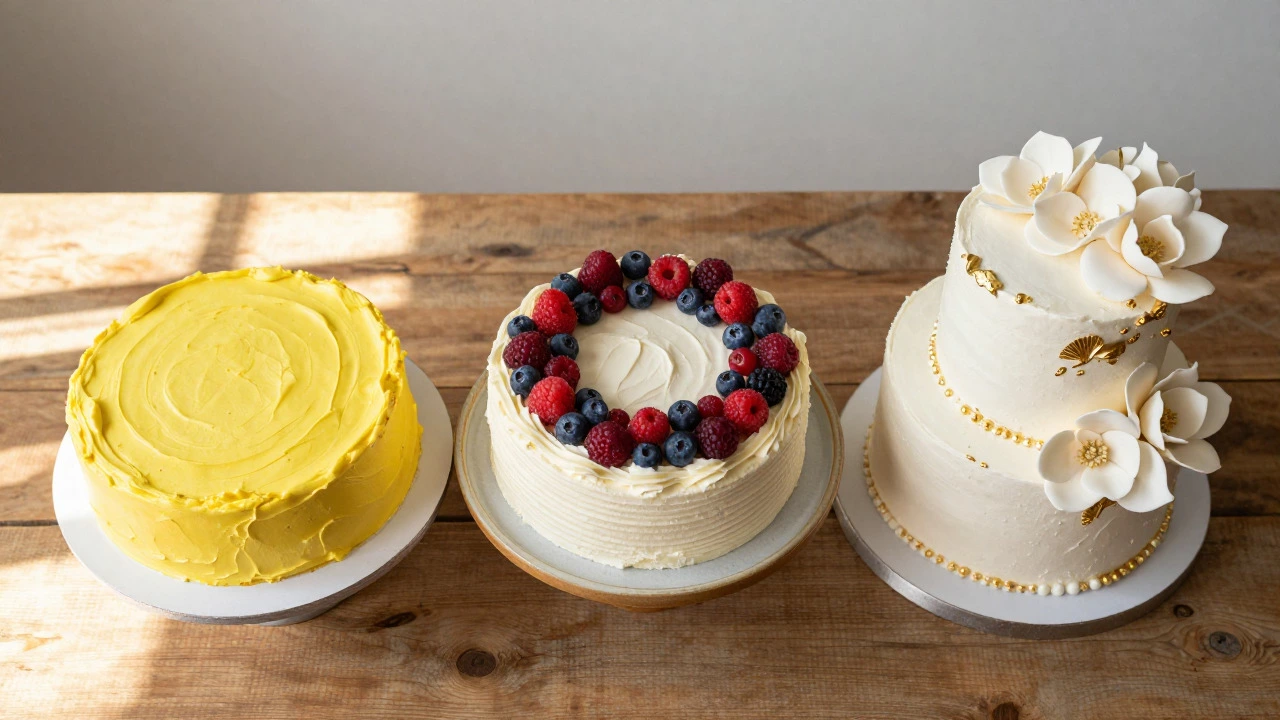
| Custom/Artisan | $90 - $200+ | High (Hand-decorated) | Milestones, weddings, photo-worthy events |
Notice the jump between tiers? That gap isn’t just profit margin. It’s time. A grocery store cake is mass-produced using industrial mixers and automated piping lines. A local baker might use similar techniques but adds fresh cream or higher-quality buttercream, requiring manual assembly. Custom bakers often bake from scratch, create unique flavor profiles, and spend hours sculpting fondant or piping intricate designs.
Why Labor Costs Dominate the Bill
Many people think they’re paying for eggs and flour. They aren’t. Flour costs pennies. Butter costs a few dollars. The real expense is human time. Baking a cake involves mixing, baking, cooling, leveling, filling, crumb-coating, final frosting, and decorating. For an average 8-inch cake, this takes about 2-3 hours of active work plus cooling time.
Bakers charge for their expertise and availability. If you order a cake for Saturday morning, the baker likely baked it Friday night or early Saturday. That’s overtime pay, weekend premiums, and opportunity cost. In Melbourne, where I live, minimum wage increases have pushed base labor costs up significantly since 2024. You’re also paying for overheads: electricity for ovens running all day, rent for shop space, and insurance.
Here’s a rule of thumb: If a cake looks like it took more than 30 minutes to decorate, expect to pay a premium. Simple smooth sides are cheap. Ruffles, flowers, and textural details require specialized tools and steady hands.
Flavor and Filling: The Hidden Price Hike
Vanilla and chocolate are the cheapest options because they use basic pantry staples. Want red velvet? Add food coloring and cocoa powder. Want lemon blueberry? Now you’re buying fresh berries, which spoil quickly and cost more out of season.
Fillings add another layer of cost. Basic buttercream is inexpensive. Fresh fruit fillings require perishable goods that must be sourced daily. Ganache uses high-fat chocolate, which has seen price volatility due to global cocoa shortages. Nut creams, like hazelnut praline, involve expensive roasted nuts. Every "upgrade" on the menu usually adds $5-$15 per cake size.
Consider this scenario: You want a strawberry shortcake. The strawberries need washing, hulling, and macerating. They release juice, which can make the cake soggy if not managed properly. This extra prep time translates directly to the final price. If you’re on a tight budget, stick to stable flavors like chocolate fudge or classic vanilla bean.
Homemade vs. Store-Bought: Do You Save Money?
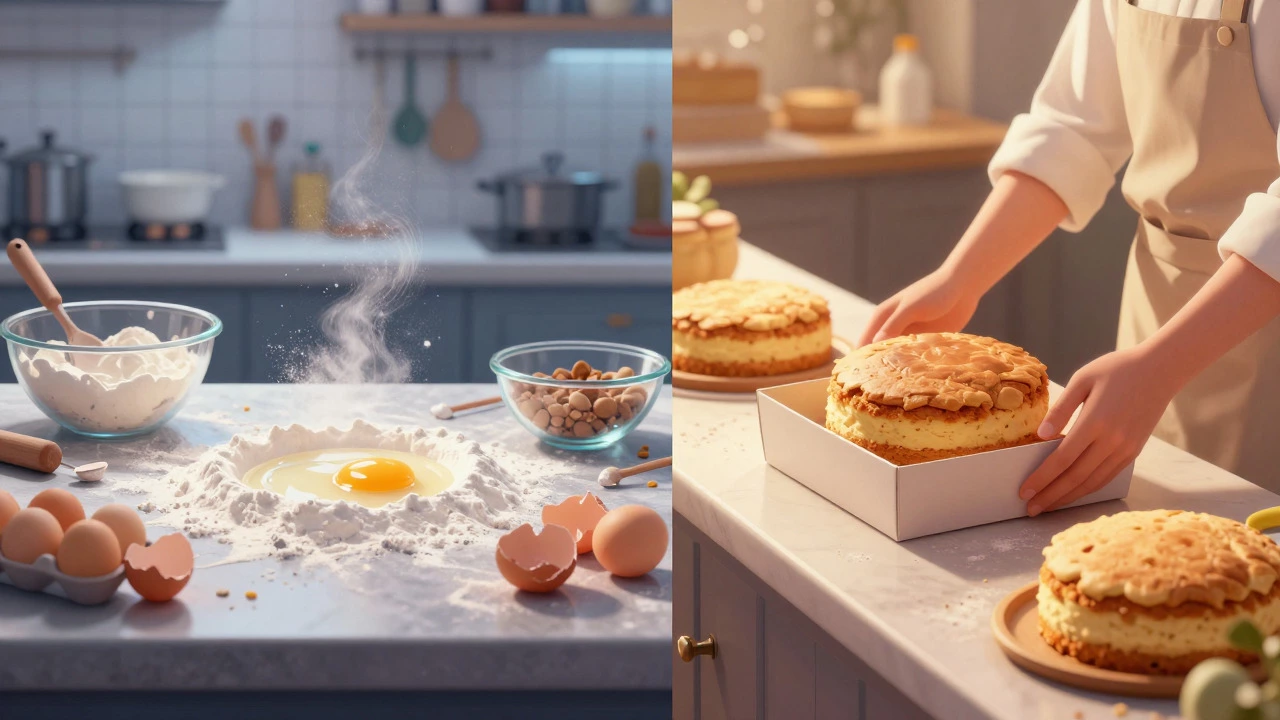
This is the big question. Does making it yourself actually save cash? Let’s run the numbers for a standard 8-inch double-layer cake.
- Ingredients: Flour ($2), Sugar ($1.50), Eggs ($1), Butter ($4), Cocoa/Vanilla ($2). Total: ~$10.50.
- Decorations: Fondant or fancy sprinkles can easily add $5-$10.
- Total Ingredient Cost: $15-$20.
Compare this to a $50 bakery cake. Yes, you save $30. But did you factor in your hourly rate? If you earn $30/hour and spend 3 hours baking and cleaning, you’ve "spent" $90 in labor. Plus, there’s the risk factor. If your layers collapse or the frosting melts, you still spent the money and time, but you end up with a sad, flat cake.
Homemade wins when you enjoy baking and have reliable skills. It loses when you value your free time or lack confidence in structural integrity. For many, paying a baker is essentially hiring peace of mind.
Size Matters: Servings and Scaling
Price scales non-linearly. Doubling the diameter doesn’t just double the cost. An 8-inch cake serves 10-12 people. A 10-inch cake serves 20-24. However, the surface area for frosting increases exponentially, meaning more labor and material for decoration.
Most bakeries charge per serving or per inch. A typical rate might be $4-$6 per person for standard designs. So, a cake for 20 people could range from $80 to $120. Tiered cakes are even more expensive because each tier requires separate baking, transport stability, and complex stacking mechanics.
Pro tip: If you have a large group but a small budget, consider "naked cakes" or semi-naked styles. These expose the cake layers with minimal outer frosting, reducing decoration time and cost while looking trendy and rustic.
Regional Differences and Seasonal Spikes
Where you buy matters. Urban centers with high rents, like Sydney or New York, will charge more than rural towns. In Australia, seasonal factors play a huge role. December and January are peak wedding and holiday seasons. Bakeries often impose surcharges or limit custom orders during these months.
Valentine’s Day and Easter see temporary price hikes for themed shapes and colors. Conversely, mid-week orders sometimes come with discounts compared to Saturday pickups. Always ask if there’s a fee for delivery. Local pickup is almost always cheaper than courier services, which can add $15-$30 depending on distance.
How to Get the Best Value Without Sacrificing Quality
You don’t need to choose between a sad grocery cake and a luxury boutique splurge. Here’s how to navigate the middle ground:
- Book Early: Last-minute orders incur rush fees. Booking 1-2 weeks ahead secures standard rates.
- Simplify Decor: Ask for "clean finish" rather than elaborate piping. Use edible flowers or fresh fruit instead of sugar paste sculptures.
- Choose Standard Flavors: Stick to the house specialties. Bakers buy these ingredients in bulk, passing savings to you.
- Check for Cakes on Sale: Many bakeries discount unsold display cakes at closing time. It’s a gamble, but you can snag a $60 cake for $30.
Remember, the goal is celebration, not financial stress. A simple, well-baked cake tastes better than a complex, dry one. Prioritize moisture and flavor over visual complexity if your budget is tight.
Why are custom cakes so much more expensive than grocery store cakes?
Custom cakes involve skilled labor, higher quality ingredients, and significant time investment. Grocery store cakes are mass-produced using preservatives and automated processes, allowing for lower prices per unit. Custom bakers charge for their artistry, personalized service, and smaller batch sizes.
Is it cheaper to make a birthday cake at home?
In terms of raw ingredient cost, yes, homemade is cheaper ($10-$20 vs $40+). However, when you factor in the time spent baking, decorating, and cleaning, along with potential equipment costs, the financial saving may be negligible unless you value your time at zero.
What is the average price for a 2-tier birthday cake?
A standard 2-tier cake (e.g., 6-inch and 8-inch) typically ranges from $120 to $250 depending on the region and design complexity. Simple buttercream finishes are on the lower end, while fondant decorations or intricate piping push the price higher.
Do bakeries charge extra for delivery?
Yes, most bakeries charge a delivery fee ranging from $10 to $50 depending on distance. Some offer free delivery within a specific radius. Always confirm if the fee covers setup time, especially for multi-tiered cakes that require stabilization at the venue.
Are gluten-free or vegan cakes more expensive?
Generally, yes. Gluten-free flours and vegan alternatives like almond milk or coconut oil often cost more than standard wheat flour and dairy. Additionally, these recipes can be trickier to execute, leading to higher labor costs and waste management expenses for the bakery.