Fudge Ingredient & Function Checker
Select Ingredients
Click on ingredients to add or remove them from your virtual batch.
Recipe Analysis
0/11 SelectedSelect ingredients above to analyze your fudge composition.
Substitution Guide
Fudge is a dense, sweet confection made by boiling a mixture of sugar, butter, and milk or cream until it thickens. Unlike chocolate bars that are tempered or candies that are pulled, fudge relies on precise temperature control to achieve its signature creamy texture. If you have ever tried making it at home only to end up with grainy crystals or a hard brick, the issue usually lies in how these few simple ingredients interact during the cooking process.
The Core Trio: Sugar, Butter, and Cream
At its heart, traditional fudge is built on three main pillars. You cannot make authentic fudge without them. These ingredients work together through a process called crystallization. When you boil the mixture, water evaporates, and the remaining sugar becomes supersaturated. As it cools, tiny sugar crystals form. The goal is to keep those crystals so small that your tongue can’t detect them, resulting in a smooth, melt-in-your-mouth experience.
Sugar is the primary structure builder. In most recipes, you will use granulated white sugar. It provides the bulk and the sweetness. Some bakers swap in brown sugar for a deeper, molasses-like flavor, which changes the color and taste profile but not the fundamental chemistry. The amount of sugar dictates how firm the final product will be. Too little, and it stays soft; too much, and it becomes rock-hard.
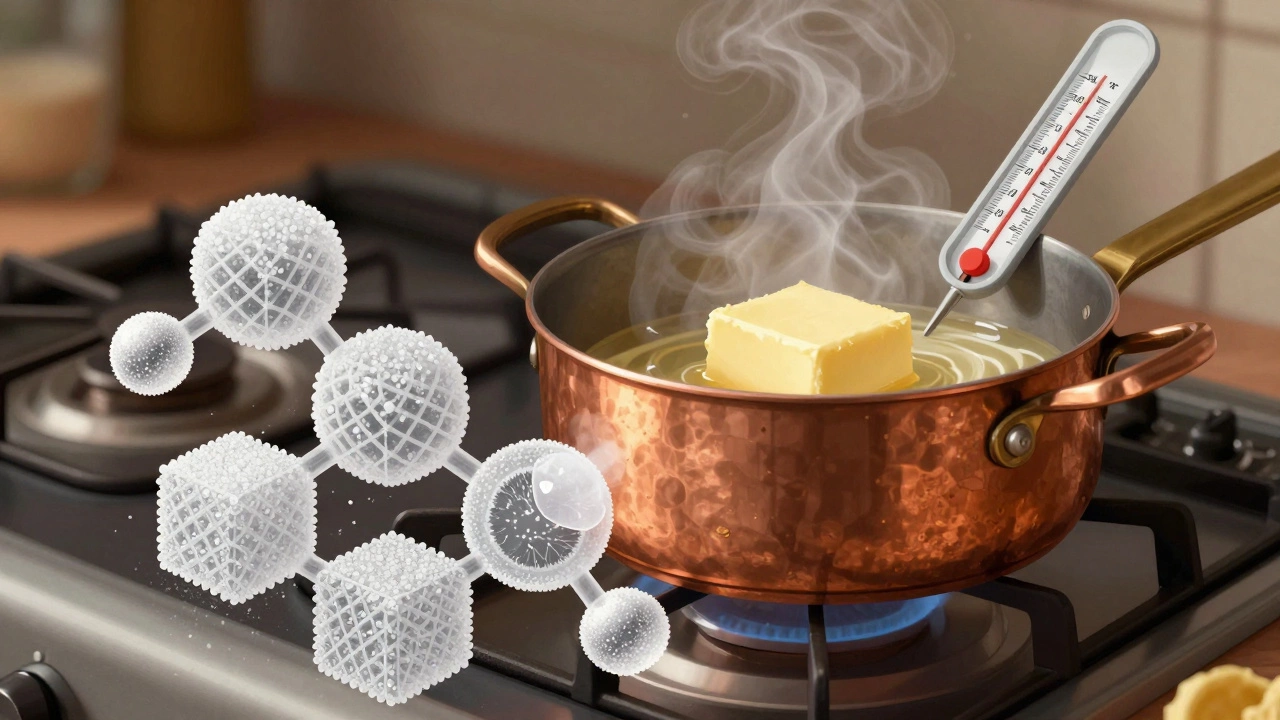
Butter plays two critical roles. First, it adds richness and flavor. Second, and more importantly, it interferes with crystal formation. Fat molecules get in the way of sugar molecules trying to link up into large crystals. This keeps the texture fine and creamy. For the best results, use unsalted butter so you can control the sodium level. Salted butter can throw off the delicate balance of flavors, especially if you are adding other mix-ins like nuts or chocolate.
Cream (or heavy whipping cream) provides moisture and fat. Whole milk can be used, but cream yields a richer, denser fudge. The dairy content helps stabilize the mixture while it boils. Low-fat alternatives often result in a dry, crumbly texture because there isn’t enough fat to lubricate the sugar crystals. Always use fresh, high-quality cream, as any off-flavors will become concentrated as the liquid reduces.
The Flavor Agents: Vanilla and Salt
While sugar, butter, and cream create the body of the fudge, they don’t do much for the taste on their own. That’s where flavorings come in. The most common addition is vanilla extract. Pure vanilla extract adds a warm, aromatic depth that complements the sweetness. Imitation vanilla works, but pure vanilla offers a more complex flavor profile that elevates the dessert from simple candy to something more sophisticated.
A pinch of salt is another secret weapon. It doesn’t make the fudge salty; instead, it enhances the sweetness and cuts through the richness of the butter and cream. Without salt, fudge can taste flat or cloyingly sweet. Even in recipes that call for salted butter, adding a tiny pinch of sea salt at the end can brighten the overall flavor.
Common Add-Ins and Variations
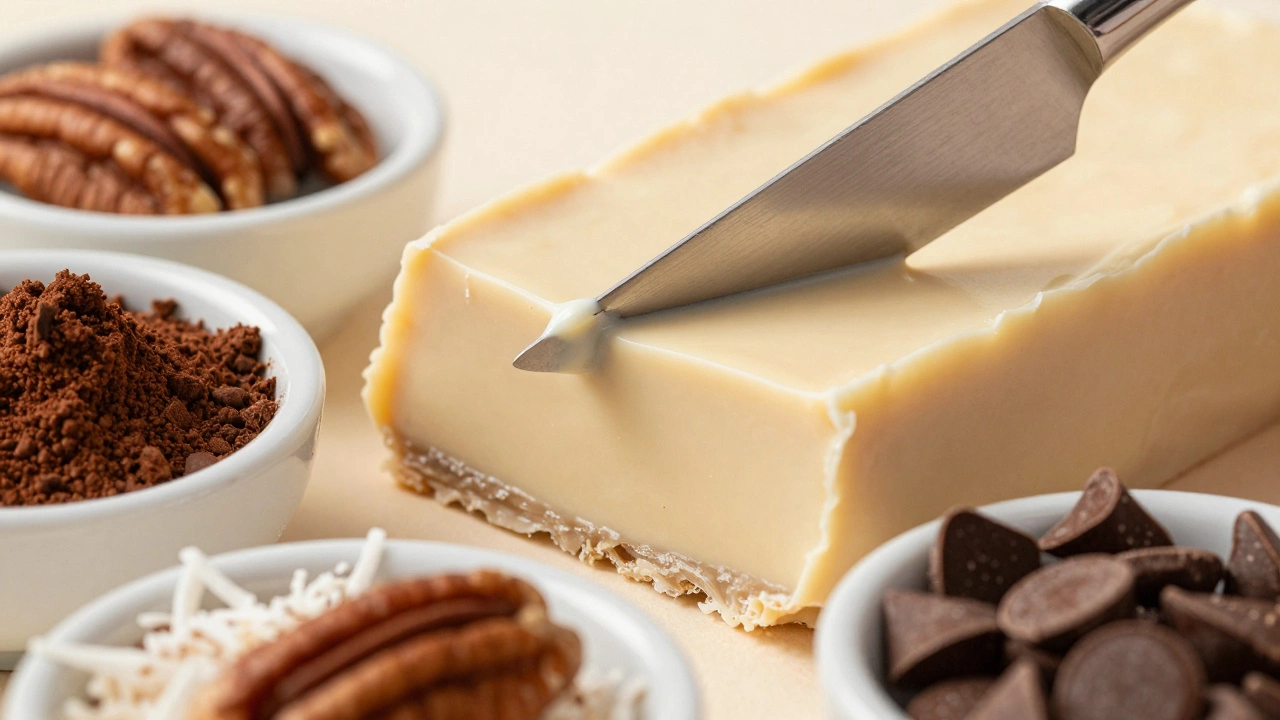
Once you master the base recipe, the sky is the limit for variations. Many people wonder if chocolate is an ingredient in fudge. Technically, no-chocolate fudge is just vanilla fudge with cocoa powder or melted chocolate added. But it is one of the most popular versions.
- Cocoa Powder: Adds a rich chocolate flavor without altering the texture significantly. Use unsweetened cocoa powder to maintain control over the sweetness.
- Melted Chocolate: Adding semi-sweet or dark chocolate chips after the mixture comes off the heat creates a marbled effect and intensifies the chocolate taste.
- Nuts: Pecans, walnuts, and almonds are classic choices. They add crunch and contrast to the soft texture. Toasting them beforehand brings out their natural oils and enhances their flavor.
- Coconut: Shredded coconut adds a tropical twist and a bit of chewiness. It pairs well with vanilla or white chocolate fudge.
- Coffee or Espresso Powder: A small amount of instant coffee powder can deepen the chocolate flavor in chocolate fudge without making it taste like coffee.
The Role of Corn Syrup and Egg Whites
If you’ve looked at several fudge recipes, you might notice some include corn syrup or egg whites. These aren’t mandatory, but they serve specific purposes.
Corn syrup is an invert sugar, meaning it contains glucose and fructose rather than sucrose. This prevents the sugar from crystallizing too quickly or too large. It acts as a "crystal inhibitor," ensuring the fudge stays smooth and doesn’t turn grainy. If you skip corn syrup, you need to be extra careful about stirring and temperature control.
Egg whites are less common in modern recipes but were historically used to help aerate the mixture when beating it. Today, most people rely on vigorous stirring or a hand mixer to incorporate air. However, some purists still swear by a beaten egg white for an ultra-light, fluffy texture.
Understanding Temperature: The Secret Ingredient
You can have all the right ingredients, but if you miss the temperature, you won’t have fudge. The "secret ingredient" is actually heat management. Fudge must reach the soft-ball stage, which is between 234°F and 240°F (112°C to 116°C). At this temperature, the sugar concentration is perfect for forming the right size crystals.
To test this without a thermometer, drop a small amount of the hot mixture into cold water. If it forms a soft ball that flattens when you press it, you’re ready. If it’s too runny, it hasn’t cooked enough. If it holds its shape firmly, you’ve gone too far and will end up with hard candy.
| Ingredient | Primary Function | Substitute Options |
|---|---|---|
| Granulated Sugar | Structure and Sweetness | Brown Sugar, Honey (changes texture) |
| Unsalted Butter | Richness and Crystal Inhibition | Margarine (not recommended), Ghee |
| Heavy Cream | Moisture and Fat Content | Whole Milk (lighter texture), Half-and-Half |
| Vanilla Extract | Flavor Enhancement | Almond Extract, Coffee Extract |
| Corn Syrup | Prevents Graininess | Invert Sugar, Light Corn Syrup |
Troubleshooting Common Issues
Even with the right ingredients, things can go wrong. Here’s how to fix them:
- Grainy Texture: This happens when sugar crystals grow too large. Stirring the mixture too vigorously while it cools can cause this. Let it cool undisturbed first, then beat it briefly before pouring.
- Hard Fudge: You likely cooked it too long or at too high a temperature. Next time, use a candy thermometer and aim for 234°F. You can try re-melting it with a splash of cream and reheating gently, but results vary.
- Soft Fudge: Not enough cooking time. The mixture didn’t reach the soft-ball stage. It may firm up in the fridge, but it won’t have the proper texture. Re-cook it carefully to reach the correct temperature.
Storing Your Homemade Fudge
Once your fudge has set, store it properly to maintain freshness. Wrap individual pieces in wax paper or plastic wrap. Place them in an airtight container. They can last at room temperature for up to two weeks. For longer storage, freeze them for up to three months. Thaw overnight in the refrigerator before serving to avoid condensation, which can make the surface sticky.
Can I make fudge without corn syrup?
Yes, you can. Corn syrup helps prevent graininess, but it is not strictly necessary. If you omit it, be very careful not to stir the mixture while it is cooling initially. Let it sit undisturbed until it reaches room temperature, then beat it briefly. Using a candy thermometer is highly recommended when skipping corn syrup to ensure you hit the exact soft-ball stage.
Why does my fudge turn out grainy?
Graininess occurs when sugar crystals form too large. This can happen if you stir the mixture too much while it is cooling, or if undissolved sugar crystals remain in the pan before boiling. To prevent this, brush the sides of the pot with a wet pastry brush during boiling to dissolve any stray crystals, and avoid stirring once the mixture starts to thicken and cool.
What is the difference between fudge and caramel?
The main difference lies in the ingredients and texture. Caramel is made by heating sugar until it melts and browns, often with cream added later. It has a smooth, glossy appearance and a distinct burnt sugar flavor. Fudge is made by boiling sugar, butter, and cream together without caramelizing the sugar first. Fudge is opaque, matte, and has a softer, creamier texture due to controlled crystallization.
Can I use margarine instead of butter in fudge?
It is not recommended. Margarine often contains more water and additives than butter, which can interfere with the crystallization process and lead to a greasy or unstable texture. Stick to high-quality unsalted butter for the best flavor and texture. If you need a dairy-free option, look for a high-fat vegan butter substitute specifically designed for baking.
How do I know when my fudge is done?
Use a candy thermometer to check for the soft-ball stage, which is 234°F to 240°F (112°C to 116°C). If you don’t have a thermometer, perform the cold water test: drop a small amount of the mixture into ice water. If it forms a soft ball that flattens when pressed between your fingers, it is ready. If it runs back into a puddle, it needs more cooking. If it holds a firm shape, it is overcooked.