Brownie Freshness Checker
Enter details about your brownies below to assess their safety and quality.
1. Storage Details
2. Sensory Checks
Select any signs you observe. If none apply, leave unchecked.
You bite into a leftover brownie from last week, expecting that rich, fudgy chocolate hit. Instead, it tastes... off. Maybe it’s dry. Maybe it has a weird film on top. Or maybe you just don’t remember when you baked them. That hesitation is normal. Brownies are dense, moist cakes made from flour, sugar, eggs, and fat (usually butter or oil). They occupy a tricky middle ground between cake and cookie, which makes their shelf life confusing for many home bakers.
Unlike bread, which molds visibly and quickly, brownies degrade differently. The high sugar content acts as a preservative, drawing moisture away from bacteria. But that same density can trap moisture in the center, creating a breeding ground for mold if stored improperly. So, how do you know if your brownies have crossed the line from "day-old treat" to "health hazard"? Let’s break down the sensory checks, storage rules, and common myths.
The Smell Test: Your First Line of Defense
Before you even take a bite, use your nose. Fresh brownies smell like roasted cocoa, vanilla, and toasted nuts if you added them. If they smell sour, rancid, or vaguely like old cardboard, toss them. Rancidity usually comes from the fats. Butter and oils oxidize over time, especially at room temperature. This process creates off-flavors and potentially harmful compounds. You might notice a sharp, unpleasant odor that clashes with the sweet aroma you expect.
Here’s a quick heuristic: if the smell triggers a slight gag reflex or feels "sharp," it’s not worth the risk. Mold doesn’t always smell strong immediately, but rancid fat does. Trust your instinct. If it smells wrong, it probably is.
Visual Cues: What Does Spoiled Look Like?
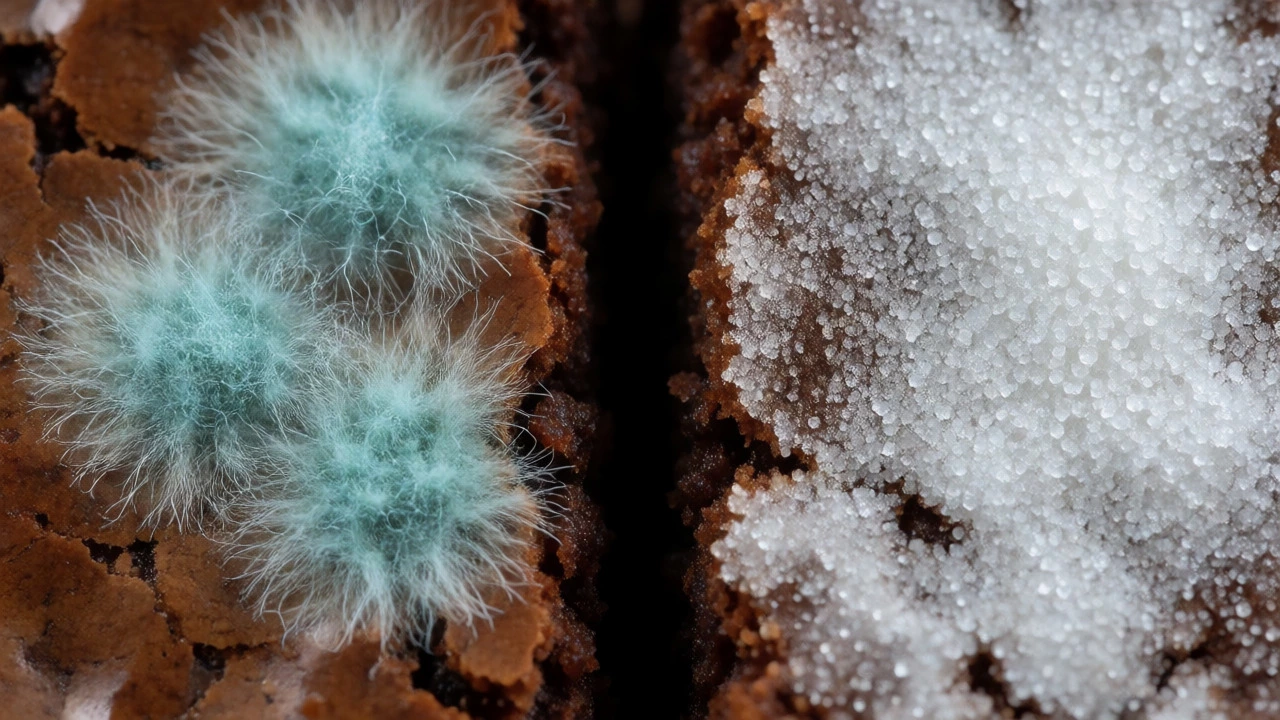
Visual inspection is critical. Brownies are dark, so spotting early mold can be tough. Look closely at the surface and the edges. White, green, or blue fuzzy spots are obvious signs of mold. Even if you scrape it off, don’t eat it. Mold roots penetrate deep into soft foods. You can’t see the rest of the colony.
Sugar bloom is another visual cue, but it’s harmless. This appears as a white, crystalline dusting on the surface. It happens when moisture evaporates, leaving sugar crystals behind. Sugar bloom affects texture slightly-making the crust gritty-but it’s safe to eat. Distinguish this from mold by touching it. Sugar bloom is hard and granular; mold is soft and fuzzy.
Indicator Appearance Safety Status Mold Fuzzy spots (white, green, blue) Unsafe - Discard Sugar Bloom White crystalline dust Safe - Edible Oil Separation Greasy sheen on surface Check Smell - Likely Rancid Dry Cracks Hard, fissured surface Safe - Stale
Texture Changes: Stale vs. Spoiled
Texture tells you a lot about freshness. Fresh brownies should be fudgy or cakey, depending on your recipe. Over time, they lose moisture. This leads to staleness. Stale brownies are hard, crumbly, and dry. They aren’t dangerous, just unappetizing. You can revive them by microwaving for 10 seconds or serving with ice cream.
However, a slimy or sticky texture is a red flag. If the interior feels wet or tacky when it shouldn’t, bacterial growth may have started. This often happens if you stored warm brownies in an airtight container too soon. Trapped steam creates condensation, promoting bacterial activity. If the center feels slimy rather than moist, discard the batch.
Taste Testing: When in Doubt, Spit It Out
If smell and sight pass, try a tiny bite. Chew slowly. Look for off-flavors. Sourness indicates fermentation or bacterial growth. Bitterness beyond the expected cocoa notes suggests rancid fats. A metallic taste can also signal oxidation issues.
Don’t swallow if something tastes wrong. Spit it out and rinse your mouth. One bad brownie won’t kill you, but eating a whole plate of spoiled goods might lead to stomach upset. Remember, flavor degradation often precedes visible spoilage. Your tongue is a sensitive detector for chemical changes in food.
Storage Rules That Extend Shelf Life
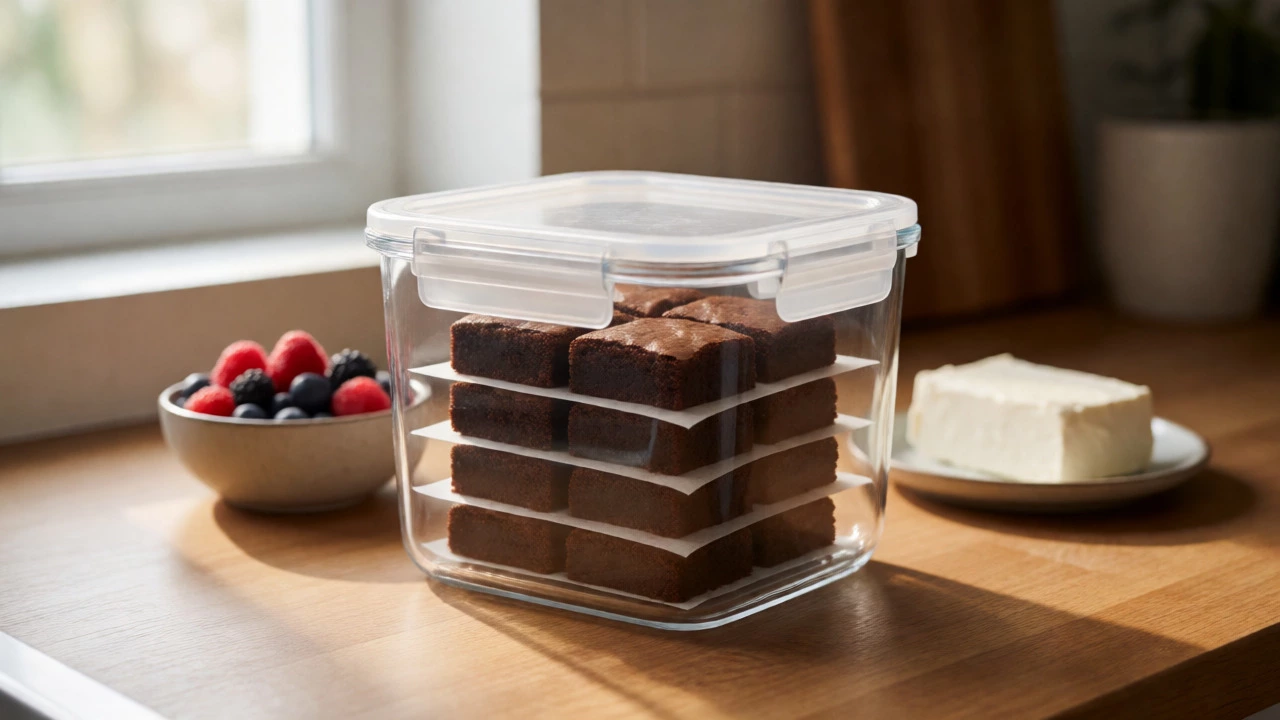
Proper storage prevents most spoilage issues. Brownies fall into three categories based on ingredients: standard, dairy-heavy (like cheesecake swirls), and fruit-filled. Each has different needs.
- Standard Brownies: Store at room temperature in an airtight container for up to 4 days. Keep them away from direct sunlight and heat sources. Place parchment paper between layers to prevent sticking.
- Dairy-Heavy Brownies: If your recipe includes cream cheese, mascarpone, or whipped frosting, refrigerate them. They last 5-7 days in the fridge. Cold temperatures slow bacterial growth in dairy products.
- Fruit-Filled Brownies: Moisture from berries or apples accelerates spoilage. Refrigerate these within 24 hours. They typically last 3-4 days max.
For longer storage, freeze them. Wrap individual squares tightly in plastic wrap, then foil. Frozen brownies maintain quality for 2-3 months. Thaw at room temperature before eating to restore texture.
Common Myths About Brownie Spoilage
Many people think brownies never go bad because they’re so sugary. While sugar inhibits some bacteria, it doesn’t stop all microbes. Yeasts and molds thrive in high-sugar environments given enough time. Another myth is that "the fridge makes them dry." Actually, the fridge slows staling caused by starch retrogradation. However, it can dry out the surface if not wrapped properly. Always double-wrap for freezing.
Some believe that adding more chocolate preserves brownies better. Dark chocolate has antioxidants that resist oxidation slightly better than milk chocolate, but the difference is minimal in short-term storage. The real preservatives are low water activity and proper sealing.
When to Throw Them Away Immediately
Certain scenarios demand immediate disposal. If you left brownies out overnight in a humid kitchen during summer, check for slime. High humidity plus warmth equals rapid bacterial growth. If you used fresh fruit without baking it thoroughly, mold can appear within 48 hours.
Also, consider the source. If you bought brownies from a bakery, check the expiration date. Commercial brownies often contain preservatives like sorbic acid, extending their life. Homemade ones lack these additives. Assume homemade brownies are fresher but less stable.
Can I get sick from eating one stale brownie?
Probably not. Stale brownies are dry and crumbly but generally safe. The main issue is poor texture and flavor, not health risks. Only worry if there are signs of mold or rancidity.
How long do brownies last in the freezer?
Properly wrapped brownies last 2 to 3 months in the freezer. Beyond that, they remain safe but suffer from freezer burn, leading to dry, tasteless patches.
Why did my brownies get hard after two days?
This is likely staleness due to moisture loss. Ensure you store them in an airtight container. Adding a slice of bread to the container can help retain moisture, keeping them soft longer.
Do brownies with nuts go bad faster?
Yes. Nuts contain natural oils that can go rancid faster than the base batter. Check nutty brownies more frequently for off-smells, especially if stored at room temperature for more than 3 days.
Is white powder on my brownies mold?
Not necessarily. If it looks like fine dust and feels gritty, it’s likely sugar bloom, which is safe. If it’s fuzzy or spreads, it’s mold. When unsure, throw it out.