Pavlova Texture Troubleshooter
A soft, chewy lump instead of that shattering crackle is almost always one small variable going wrong. Tell us what you're seeing and we'll point you to the fix.
What does your pavlova look like?
Tick off each step as you complete it. A score of 100% means your environment and technique are set up for a crisp shell.
Complete the steps above to see your score.
Low, slow heat (120–130°C / 250–270°F) drives off moisture without burning the surface. Enter what your independent oven thermometer actually reads.
You pull the tray out of the oven, expecting that signature shattering crackle on top and a marshmallowy center. Instead, you get a soft, chewy lump that looks like it belongs in a candy jar, not on a dinner plate. It happens to even experienced bakers, usually because one small variable went wrong. The good news is that fixing the texture is rarely about changing the recipe; it’s almost always about controlling your environment and technique.
At its core, Pavlova is a meringue-based dessert consisting of a crisp outer shell and a soft, spongy interior, typically topped with fruit and cream. The structure relies entirely on the stability of egg whites and the precise interaction with sugar. When those two elements don’t bond correctly under heat, you lose the crispness. Here is exactly why that happens and how to stop it from ruining your next batch.
The Humidity Factor: Your Biggest Enemy
If you live in Melbourne or any coastal city, you know that humidity can swing wildly. For meringues, moisture is the enemy of crispness. Meringue works by evaporating water from the egg whites while the sugar sets the structure. If the air is already saturated with water vapor, that evaporation process slows down dramatically. The result is a meringue that stays moist on the outside instead of drying into a hard shell.
You might think opening the window helps, but if it’s a humid day, you’re just letting more moisture in. Check the relative humidity before you start. Ideally, you want it below 60%. If it’s higher, run your dehumidifier for an hour before baking. Alternatively, bake during the driest part of the day, which is often mid-afternoon when the sun has dried out the atmosphere slightly. This single environmental tweak solves more "soft pavlova" issues than any ingredient change ever will.
Ingredient Purity and Measurement Errors
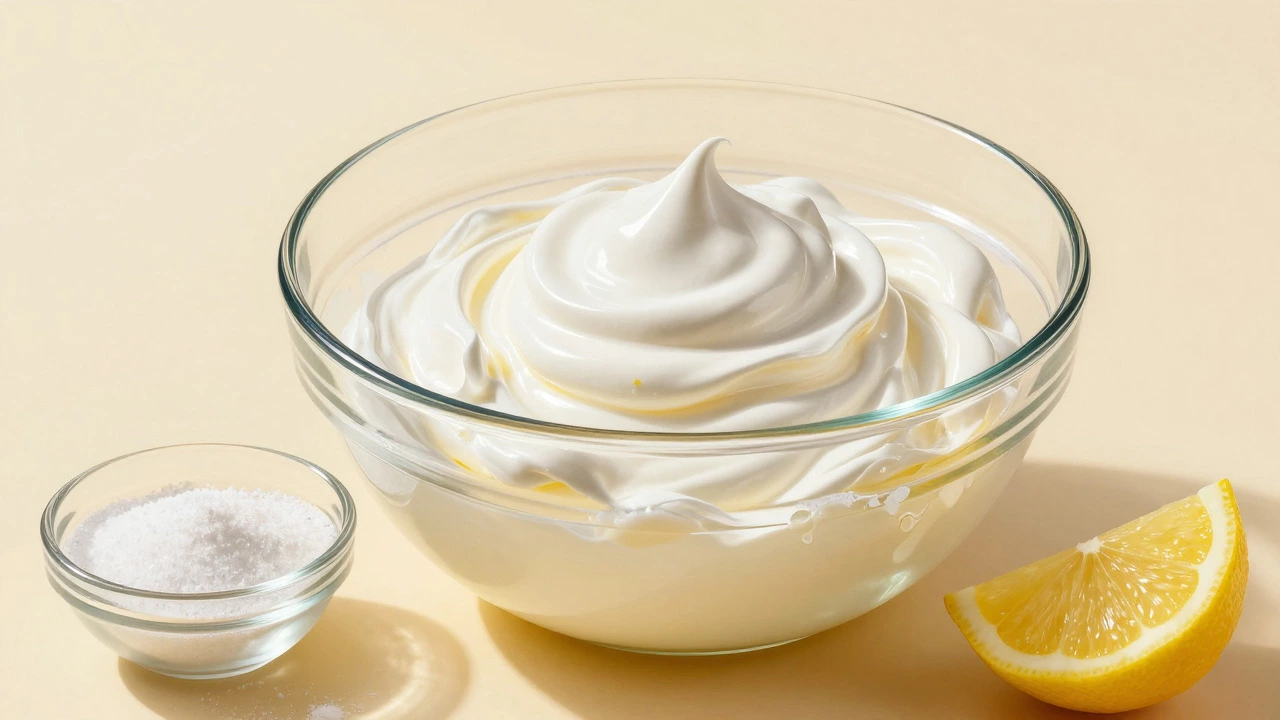
Meringues are unforgiving about fat. Even a microscopic trace of yolk or oil can prevent the egg whites from reaching stiff peaks. If your bowl isn’t spotless, or if your whisk was used for butter earlier, you’ve introduced lipids that break the protein bonds. Always use a clean, dry, grease-free bowl. A quick wipe with lemon juice or white vinegar helps remove any residual oils.
Sugar measurement matters too. Many recipes call for caster sugar, but granulated sugar takes longer to dissolve. If you don’t beat the mixture long enough to fully dissolve the crystals, you’ll get a grainy texture that doesn’t set properly. Taste a drop of the batter; if you feel grit, keep beating. Using superfine (caster) sugar speeds this up significantly. Also, avoid adding cream of tartar or lemon juice until the whites reach soft peaks. Adding acid too early can weaken the foam structure, leading to a denser, less airy final product.
Oven Temperature and Timing Mistakes
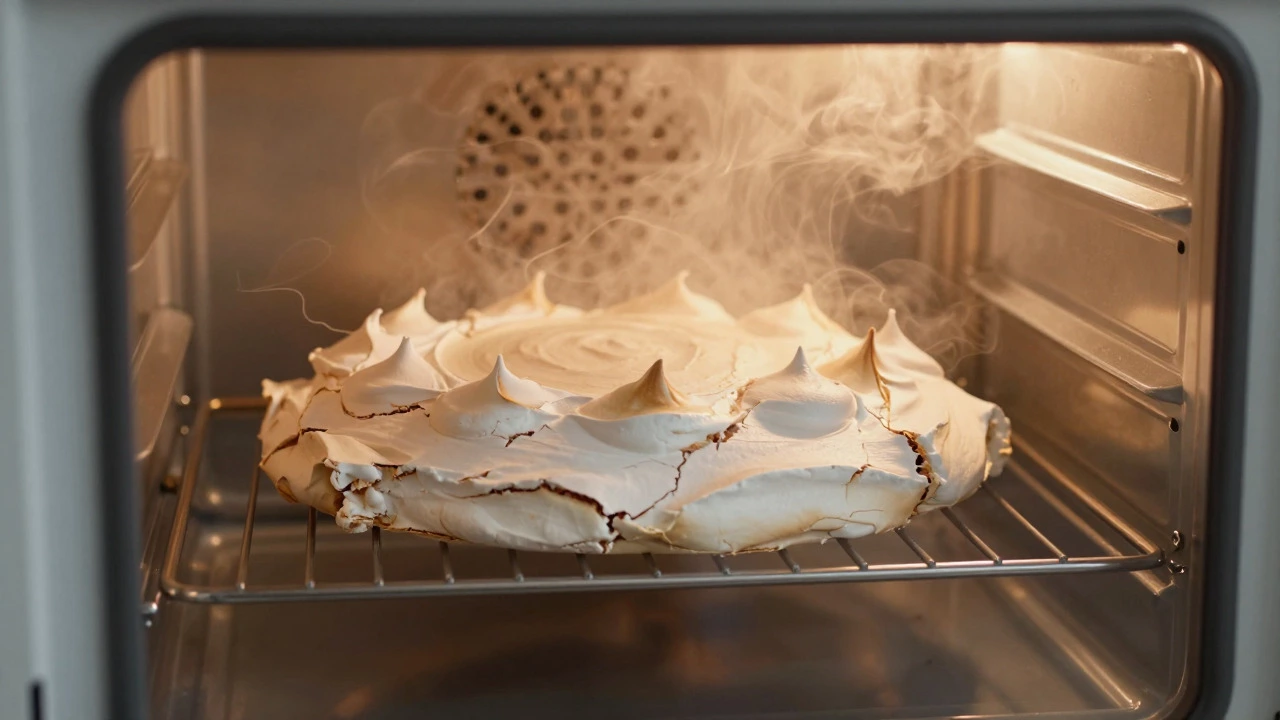
A common mistake is thinking a higher temperature makes it crisp faster. In reality, high heat causes the outside to brown or burn before the inside dries out. You need low, slow heat to drive off moisture without cooking the surface too quickly. Most reliable recipes suggest baking at 120°C to 130°C (250°F to 270°F). Your oven might run hot or cold, so using an independent oven thermometer is non-negotiable. If your oven runs 10 degrees hot, you’re effectively baking at a temperature that seals the moisture in rather than letting it escape.
Timing is equally critical. A standard medium-sized pavlova needs 60 to 90 minutes. Pulling it out at 45 minutes leaves it raw in the center. However, leaving it in too long after the timer goes off can also cause issues if the door is opened frequently. Every time you open the oven door, cool air rushes in, causing the meringue to collapse slightly and re-absorb moisture. Set a timer, and don’t peek until the last ten minutes. After turning off the oven, leave the pavlova inside with the door slightly ajar to cool slowly. Rapid cooling can cause cracking, but rapid *warming* or exposure to steam is what kills the crispness.
Technique: Beating and Folding
How you beat the eggs determines the air content. You need to whip the egg whites until they form stiff, glossy peaks. This means holding the bowl upside down and having no drops fall out. Under-beaten whites contain too much liquid, leading to a dense, gummy texture. Over-beaten whites become dry and crumbly, which also ruins the structural integrity. Aim for that sweet spot of stiff but still smooth and shiny.
Folding in the sugar and cornflour requires patience. Cornflour is essential here; it stabilizes the meringue and absorbs excess moisture. Without it, the meringue is more prone to weeping (a condition where liquid beads on the surface). Weeping creates a wet layer that prevents crisping. Fold gently to maintain the air bubbles you created. If you stir vigorously, you deflate the foam, resulting in a heavy, flat disc that never gets light or crisp.
Common Troubleshooting Scenarios
Let’s look at specific symptoms and their likely causes. If your pavlova is soft all over, check your humidity and oven temperature first. If it’s crisp on top but soggy underneath, your baking sheet might be insulated poorly. Use a dark-colored metal sheet for better heat conduction, or place a second sheet underneath to help wick away moisture. If the bottom is wet, it’s often because the meringue was spread too thickly in the center. Create a slight well in the middle to allow heat circulation and ensure even thickness.
If you notice sugar crystals remaining in the batter, it’s a dissolution issue. Beat longer. If the pavlova collapses as it cools, you likely opened the oven door too early or cooled it too fast. Let it rest in the turned-off oven for at least 30 minutes. These adjustments address the mechanical and thermal aspects of the bake that directly impact texture.
| Texture Issue | Likely Cause | Immediate Fix |
|---|---|---|
| Soft throughout | High humidity or low oven temp | Run dehumidifier; verify oven with thermometer |
| Wet/soggy bottom | Thick center or poor heat transfer | Spread evenly; use dark baking sheet |
| Grainy/crystalline taste | Sugar not dissolved | Beat longer until smooth and glossy |
| Collapses when cooling | Rapid cooling or door opening | Cool in turned-off oven with door ajar |
| Weeping (liquid on surface) | Too much moisture or lack of cornflour | Add 1 tbsp cornflour per 4 egg whites |
Pro Tips for Consistent Results
Consistency comes from repetition and observation. Keep a baking log noting the humidity level, oven temperature, and bake time for each attempt. You’ll quickly identify patterns specific to your kitchen. Another pro tip: make your pavlovas ahead of time. They actually improve in texture after sitting overnight in an airtight container. The residual moisture migrates from the edges to the center, evening out the texture. Just add the toppings right before serving to keep the base crisp.
Finally, consider your altitude. If you live above 1,000 meters, the boiling point of water is lower, meaning moisture evaporates faster. You may need to reduce the oven temperature by 10-15 degrees to prevent burning before the center sets. Adjusting for local conditions is the difference between a gamble and a guaranteed delicious dessert.
Why is my pavlova wet on the bottom?
A wet bottom usually indicates that the meringue was spread too thickly in the center, preventing heat from penetrating fully. It can also happen if the baking sheet is light-colored or insulated, reducing heat transfer. Ensure even spreading and use a dark metal sheet to improve conductivity.
Do I need to use cream of tartar in my pavlova?
Cream of tartar is optional but helpful for stabilizing the egg whites. It adds acidity which strengthens the protein network. If you omit it, ensure you add lemon juice or vinegar later in the mixing process. Without any acid, the meringue may be less stable and more prone to weeping.
Can I freeze a cooked pavlova?
Yes, cooked pavlovas freeze well. Wrap them tightly in plastic wrap and then aluminum foil to prevent freezer burn. Thaw at room temperature for a few hours before topping. The texture remains crisp upon thawing if protected from moisture in the freezer.
What is the best type of sugar for pavlova?
Caster (superfine) sugar is ideal because it dissolves quickly into the egg whites. Granulated sugar works but requires longer beating time to dissolve completely. Avoid powdered sugar, as it contains cornstarch which can alter the texture and make the meringue too dry or crumbly.
Why does my pavlova crack?
Cracking occurs when the meringue cools too rapidly or when the oven temperature fluctuates. To prevent this, let the pavlova cool slowly inside the turned-off oven with the door slightly propped open. Sudden temperature changes cause the brittle outer shell to fracture.