Gluten-Free Lentil Cake Calculator
Recipe Configuration
Calculated Recipe
| Ingredient | Amount |
|---|---|
| Enter values and click Calculate | |
Picture this: you’re standing in your kitchen in Melbourne, ready to whip up a batch of gluten-free cakes. You’ve got the almond flour, the coconut sugar, and the eggs. But then you spot that bag of leftover red lentils from last night’s curry. A thought pops into your head-could I use these to make my cake lighter, cheaper, or just different? It’s a smart question, especially if you’re trying to stretch your budget or reduce food waste. But before you toss those legumes into the mixer, we need to clear up a massive confusion point: are lentils actually safe for a gluten-free diet?
The short answer is yes. Lentils are naturally gluten-free. They are legumes, not grains, which means they do not contain the proteins found in wheat, barley, or rye. However, the reality of buying them at the supermarket-and using them in delicate baked goods like cakes-is a bit more complicated. Cross-contamination is real, and the texture of lentil flour can make or break your dessert. Let’s walk through exactly what you need to know to bake safely and successfully.
The Science: Why Lentils Are Naturally Gluten-Free
To understand why lentils fit into a gluten-free lifestyle, we have to look at what they actually are. Lentils (Lens culinaris is a type of edible legume that grows in pods and is harvested as a seed) belong to the same family as chickpeas, black beans, and peas. They are completely unrelated to the grass family (Poaceae), which includes wheat, oats, barley, and rye-the sources of gluten.
Gluten is a storage protein made of gliadin and glutenin. These proteins give dough its elasticity and help it rise. Lentils do not produce these proteins. Instead, they are packed with starches and plant-based proteins that behave very differently when heated. When you grind lentils into flour, you get a dense, nutritious powder that lacks the sticky, stretchy network of gluten. This is great for people with Celiac disease or non-Celiac gluten sensitivity, but it presents a unique challenge for bakers used to traditional wheat flour.
| Flour Type | Gluten Content | Protein Level | Best Use in Cakes |
|---|---|---|---|
| Wheat Flour | High (Gliadin/Glutenin) | 10-14% | Structure & Rise |
| Lentil Flour | None (Naturally GF) | 25%+ | Density & Moisture |
| Almond Flour | None | 21% | Fat & Tenderness |
| Rice Flour | None | 7% | Lightness & Structure |
As you can see from the table above, lentil flour is significantly higher in protein than rice flour and comparable to almond flour. This high protein content is where things get tricky for cake baking. In a savory dish like dal, that protein is a benefit. In a light sponge cake, it can lead to a dense, rubbery texture if you aren’t careful. Understanding this difference is key to using lentils effectively without ruining your dessert.
The Hidden Risk: Cross-Contamination
Just because lentils are naturally gluten-free doesn’t mean every bag on the shelf is safe. This is the part that often catches people off guard. Many large-scale grain processing facilities handle both gluten-containing grains and gluten-free legumes. If the same machinery is used to sort, clean, and package wheat and lentils without thorough cleaning in between, microscopic amounts of gluten can end up in your lentil flour.
If you have Celiac disease, even trace amounts of gluten can trigger an immune response. For those with mild sensitivity, it might just cause bloating or fatigue. So, how do you stay safe? Look for certification. In Australia and many other countries, you’ll see logos like "Certified Gluten-Free" or specific statements on the packaging indicating the product was processed in a dedicated facility. Brands that specialize in gluten-free products usually take extra precautions, such as using separate shipping containers and testing batches for gluten residues below 20 parts per million (ppm).
When shopping in Melbourne, check local health food stores or the bulk bins at supermarkets. Be cautious with bulk bins unless the store has strict protocols for preventing cross-contact, such as using separate scoops and cleaning the bin regularly. When in doubt, stick to sealed packages with clear labeling. It’s worth the extra few dollars for peace of mind.
Baking with Lentils: Texture and Taste Challenges
Now that we’ve established safety, let’s talk about the actual baking process. Using whole lentils in a cake isn’t really an option-they won’t break down properly. You need lentil flour. Red lentil flour is generally preferred over green or brown lentil flour for baking because it cooks faster and has a milder flavor. Green lentils can be quite earthy and bitter, which might overpower the sweetness of your cake.
Here’s the thing about lentil flour: it absorbs a lot of liquid. If you swap it directly for wheat flour in a standard recipe, your cake will turn out dry and crumbly. You need to adjust the wet ingredients. Typically, you’ll want to increase the amount of milk, yogurt, or oil in your batter. Also, because lentil flour lacks gluten, it needs help holding together. Baking powder and baking soda become your best friends here. They provide the lift that gluten would normally offer.
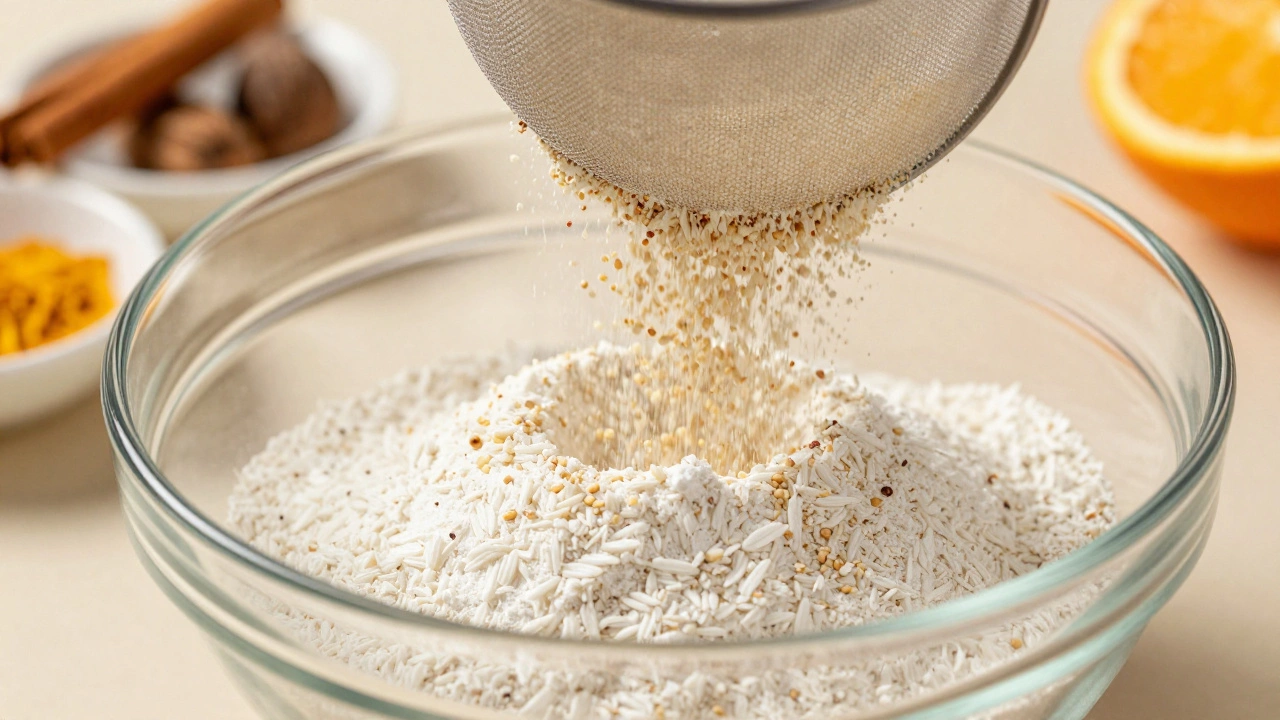
Another pro tip: don’t use 100% lentil flour for a light cake. It’s too dense. Most successful gluten-free cake recipes use a blend. Try mixing lentil flour with rice flour, tapioca starch, or potato starch. A common ratio is 50% lentil flour to 50% starch-based flour. This combination gives you the nutritional boost and moisture retention of lentils while keeping the cake airy and tender. Almond flour also pairs beautifully with lentil flour, adding richness and reducing the "beany" taste some people dislike.
Flavor Pairings: Making Lentil Cake Delicious
Lentils have a distinct, earthy flavor. In a subtle vanilla sponge, it might stand out in a way you don’t want. The trick is to pair it with strong, complementary flavors. Think spices and robust ingredients. Cinnamon, nutmeg, ginger, and cardamom work wonders with lentil flour. These spices mask the earthiness and create a warm, comforting profile perfect for autumn and winter desserts.
Citrus is another excellent partner. Lemon or orange zest cuts through the density of the lentils and brightens the overall flavor. Chocolate is also a fantastic choice. The bitterness of cocoa balances the natural sweetness of the cake, and the rich flavor dominates any residual lentil taste. Imagine a moist chocolate lentil cake with a hint of espresso-it’s surprisingly delicious and far from what you’d expect from a legume-based dessert.
For fruit-based cakes, consider using apples, pears, or dried fruits like raisins and dates. These fruits add natural sweetness and moisture, which helps counteract the drying effect of lentil flour. A spiced apple lentil cake sounds unusual, but it’s essentially a healthier version of a traditional fruitcake, with a much better texture thanks to the lentils’ ability to retain moisture.
Nutritional Benefits: More Than Just Gluten-Free
One of the biggest reasons people choose to incorporate lentils into their baking is nutrition. Traditional gluten-free flours like rice flour and potato starch are often low in nutrients and high in carbohydrates. Lentil flour flips this script. It’s packed with fiber, iron, folate, and plant-based protein. This makes your cake not just safe for a gluten-free diet, but potentially more satiating and nutrient-dense.
For those watching their blood sugar levels, lentils have a lower glycemic index compared to refined wheat flour and even some gluten-free alternatives. This means they release energy more slowly, preventing sharp spikes in blood sugar. While a cake is still a treat and shouldn’t be considered a health food, swapping half the flour for lentil flour can make it a slightly better choice for regular consumption.
It’s also worth noting that lentils are naturally vegan. If you’re making dairy-free or egg-free cakes, lentil flour integrates seamlessly into these diets. You can combine it with aquafaba (the liquid from canned chickpeas) as an egg substitute, creating a fully plant-based dessert that’s still structurally sound. This versatility makes lentil flour a powerful tool in the modern baker’s pantry.
Simple Recipe Idea: Spiced Lentil Loaf Cake
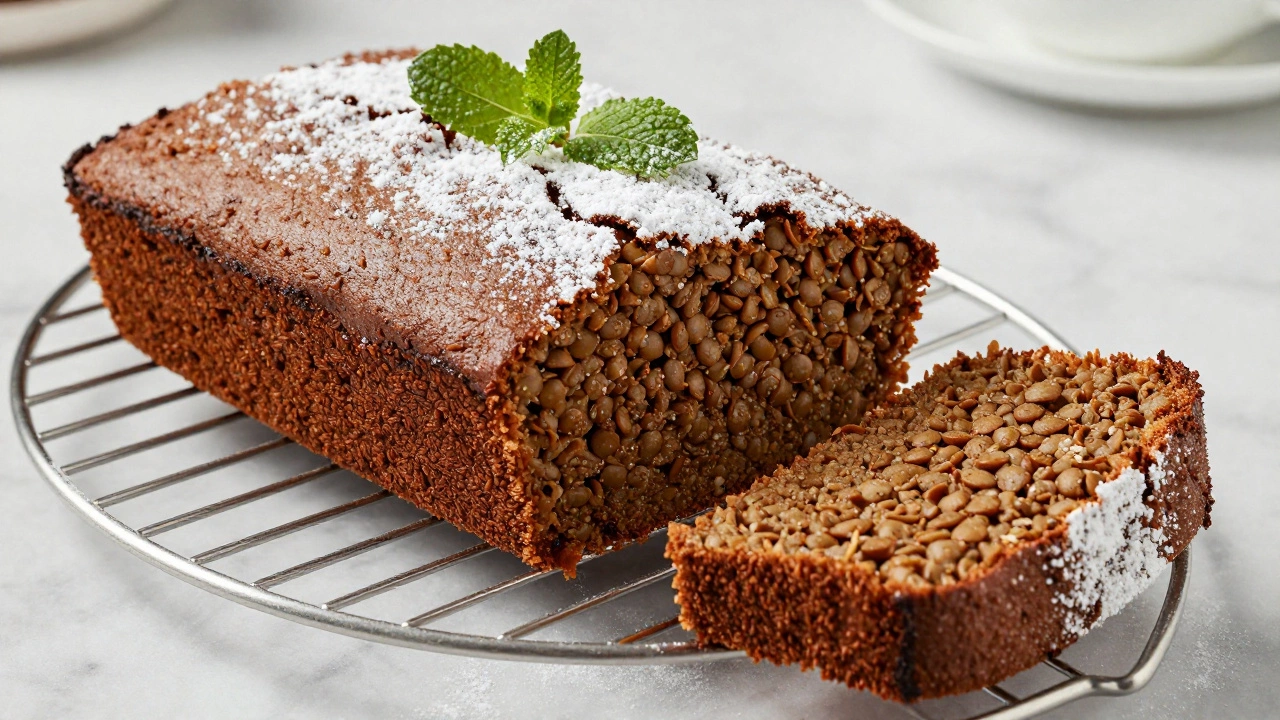
If you’re ready to try it yourself, here’s a simple framework for a spiced lentil loaf cake. This isn’t a fluffy angel food cake; it’s a moist, dense loaf similar to a banana bread or pumpkin spice cake.
- Dry Ingredients: 1 cup red lentil flour, 1/2 cup rice flour, 1 tsp baking powder, 1/2 tsp baking soda, 1 tsp cinnamon, 1/2 tsp nutmeg, pinch of salt.
- Wet Ingredients: 1/2 cup maple syrup or honey, 1/3 cup melted coconut oil, 1/2 cup unsweetened almond milk, 1 tsp vanilla extract, zest of one orange.
Preheat your oven to 180°C (350°F). Mix the dry ingredients in one bowl and the wet in another. Combine them gently until just mixed-overmixing can make the cake tough. Pour into a greased loaf pan and bake for 45-50 minutes, or until a skewer comes out clean. Let it cool completely before slicing. The result is a moist, fragrant cake that tastes nothing like beans and everything like a cozy afternoon treat.
Common Mistakes to Avoid
Even experienced bakers can stumble when working with alternative flours. Here are a few pitfalls to watch out for. First, don’t skip the resting time. After mixing your batter, let it sit for 10-15 minutes. This allows the lentil flour to fully hydrate, resulting in a smoother texture and better rise. Second, avoid opening the oven door too early. Without gluten to hold the structure, the cake is fragile in the first 20 minutes of baking. Sudden temperature drops can cause it to collapse.
Finally, be mindful of storage. Lentil flour contains oils that can go rancid faster than wheat flour. Store it in an airtight container in the fridge or freezer if you’re not using it quickly. For the finished cake, wrap it tightly in plastic or foil to keep it moist, as gluten-free cakes tend to dry out faster than their wheat-based counterparts.
Can I use raw lentils in my cake batter?
No, you should never use raw whole lentils in cake batter. They will not cook through properly in the time it takes to bake a cake, and they can be difficult to digest. Always use pre-ground lentil flour or grind cooked lentils into a paste if you want to incorporate whole lentils, though flour is much easier to work with for texture.
Is red lentil flour better than green lentil flour for baking?
Yes, red lentil flour is generally preferred for baking. It has a finer texture, cooks faster, and has a milder, sweeter flavor compared to green or brown lentil flour. Green lentils can impart a stronger, earthier taste that might overpower delicate cake flavors.
Do I need to buy certified gluten-free lentils?
If you have Celiac disease or severe gluten sensitivity, yes, you should always buy certified gluten-free lentils to avoid cross-contamination. For general dietary preferences, regular lentils are likely safe, but checking for certification ensures the highest level of purity.
Why does my lentil cake taste metallic?
A metallic taste can occur if you use too much baking soda or if the lentil flour is old. Ensure your baking soda is fresh and measure it accurately. Also, storing lentil flour in a cool, dark place prevents oxidation, which can lead to off-flavors.
Can I substitute all wheat flour with lentil flour in a cake recipe?
It is not recommended to substitute 100% of wheat flour with lentil flour in most cake recipes. Lentil flour is dense and high in protein, which can result in a heavy, rubbery texture. A blend of 50% lentil flour and 50% starch-based flour (like rice or tapioca) yields much better results.