Wedding Cake Structure & Cost Estimator
Configuration
Adjust settings to match your reception needs.
Cake Preview
Cost Breakdown
*Estimates only. Prices vary by region and baker.
You walk into the reception hall, eyes drawn immediately to the towering structure in the corner. It’s white, it’s tall, and it’s covered in intricate sugar flowers. But if you pause for a second, what do you actually call that thing? Most people just say "wedding cake," but the terminology shifts depending on whether you’re talking about its history, its structure, or its legal definition. Knowing the right name isn’t just trivia; it helps you order correctly, understand tradition, and avoid awkward moments when speaking with your baker.
The short answer is that it is most commonly called a wedding cake. However, this single term covers a massive range of styles, from a simple sheet cake to a multi-tiered architectural marvel. In formal contexts, you might hear it referred to as a nuptial cake, a bridal cake, or simply part of the dessert table. Let’s break down exactly what these terms mean, why we have them, and how they affect your big day.
The Standard Term: Wedding Cake
At its core, the term Wedding Cake is a celebratory cake served at weddings, traditionally symbolizing prosperity and fertility is the universal label. It functions as the central entity for all discussions around this dessert. Whether it’s a sponge soaked in rum, a fondant-covered masterpiece, or a naked buttercream creation, it falls under this umbrella. The key attribute here is function: it serves as the focal point of the reception dessert service.
Historically, the term evolved significantly. In medieval England, guests would stack individual small cakes on top of each other, and the bride and groom would try to kiss over the pile without knocking it down. This chaotic tradition eventually standardized into the single, stacked confection we recognize today. By the Victorian era, the "wedding cake" became a status symbol, often made of rich fruitcake (known as plum cake) and covered in marzipan and royal icing to preserve it for months afterward. Today, while fruitcake is less common, the structural expectation remains: it must look impressive enough to be photographed.
Structural Names: Tiers and Stacking
When you start discussing the physical build, the language changes. You aren’t just buying a "cake"; you are commissioning a tiered structure. Here is where specific terminology matters for communication with your baker.
- Tier: Each individual round (or square) layer of cake stacked on top of another is a tier. A standard wedding cake usually has three to five tiers.
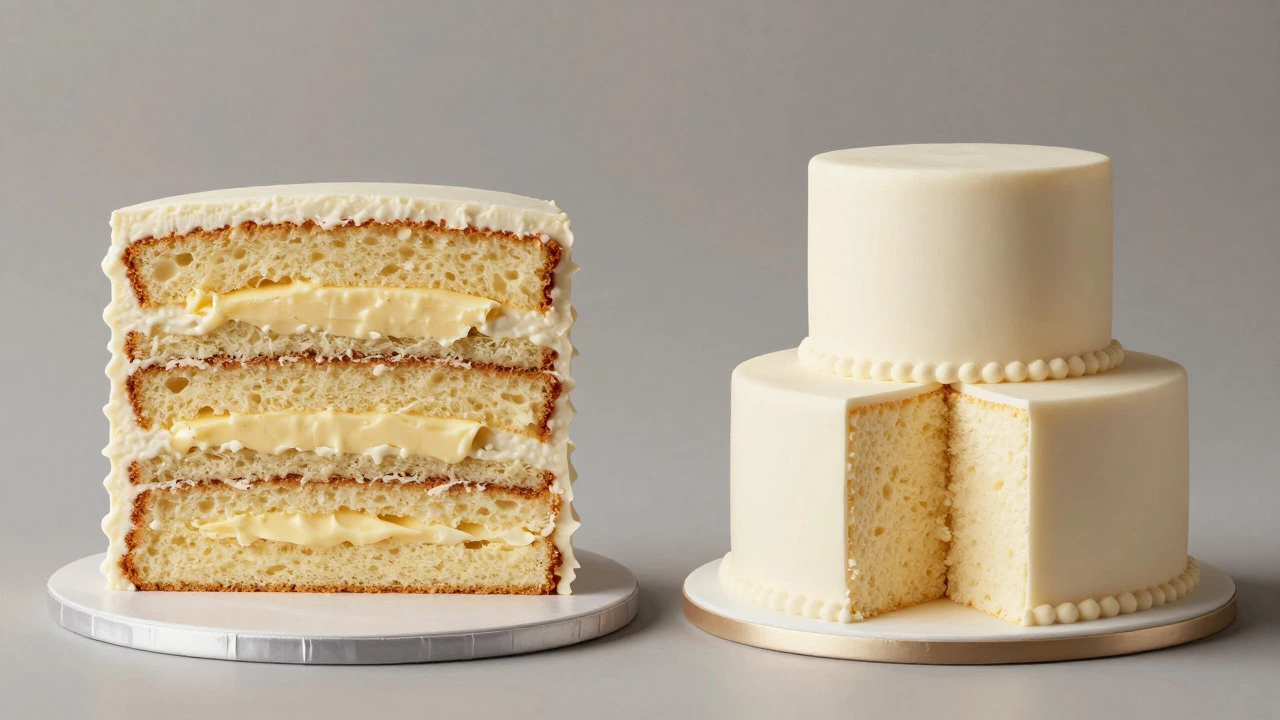
- Dummy Tier: Not every tier is edible. To save costs or achieve dramatic height, bakers often use foam or cardboard bases covered in fondant. These are called dummy tiers. They provide the visual impact without the weight or cost of feeding hundreds of people from those specific layers.
- Cake Board: The rigid base each tier sits on. Without proper boards, the bottom tier would collapse under the weight of the upper ones.
- Serving Forks/Knives: Often part of the ceremonial cut, but technically distinct from the cake itself.
If you tell your baker you want a "five-tier cake," they will assume five edible layers unless you specify otherwise. If you want height but don’t need to feed 300 people from the top two layers, ask for "dummy tiers." This distinction saves money and clarifies expectations.
Historical and Formal Alternatives
While "wedding cake" is the go-to phrase, you might encounter other terms in invitations, historical texts, or high-end catering menus.
| Term | Context/Usage | Key Characteristics |
|---|---|---|
| Nuptial Cake | Formal/Literary | Old-fashioned, rarely used in modern conversation, implies solemnity. |
| Bridal Cake | Marketing/Catering | Focuses on the bride's choice, often used in boutique bakery menus. |
| Fruitcake/Plum Cake | Traditional/Historical | Dense, alcohol-soaked, preserved for months, traditional British style. |
| Dessert Table | Modern Trend | A collection of smaller cakes, cupcakes, and pastries replacing the single large cake. |
The term "Nuptial Cake" sounds archaic because it is. You’ll find it in 19th-century literature or very formal religious ceremonies, but no one uses it when booking a venue in Melbourne or New York. "Bridal Cake" is slightly more common in marketing materials, emphasizing the aesthetic choice rather than the event itself. Meanwhile, "Fruitcake" refers specifically to the dense, dried-fruit-filled variety that was the standard for centuries due to its long shelf life. If you prefer light sponge or velvet cakes, you are opting out of this specific historical tradition.
The Modern Shift: Dessert Tables and Mini Cakes
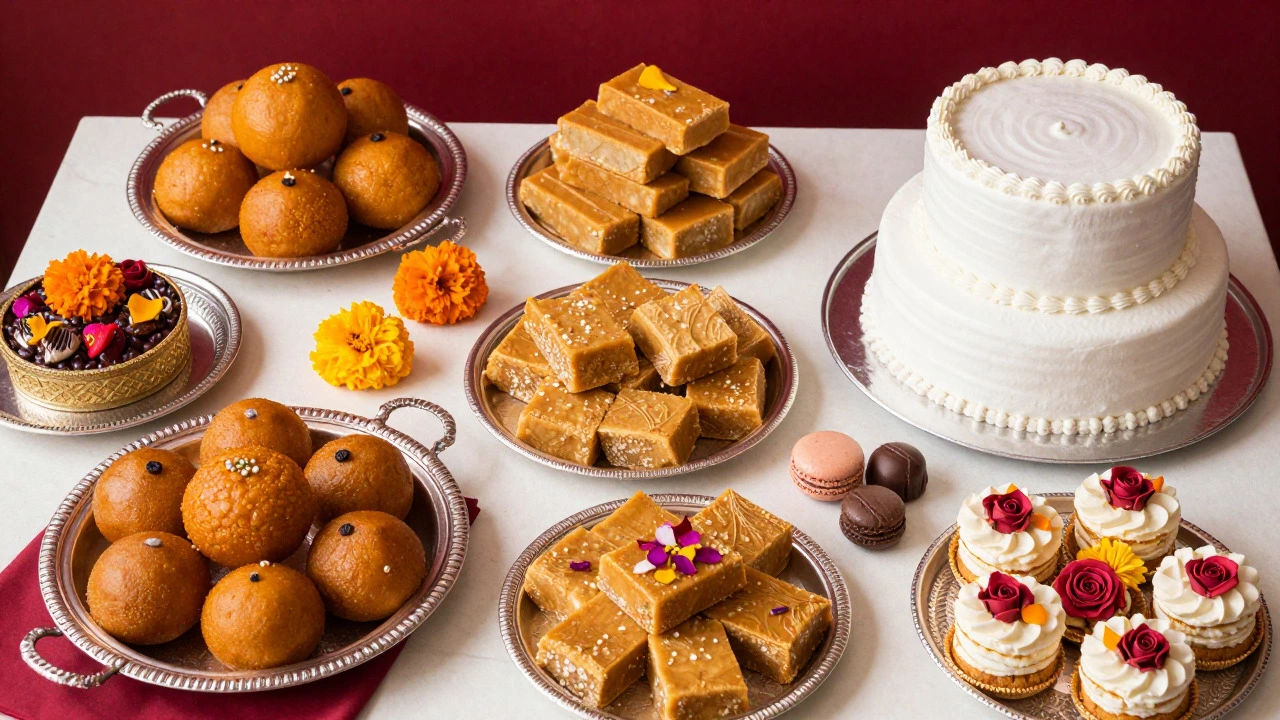
In recent years, the concept of the single, massive wedding cake has faced competition. Many couples now opt for a Dessert Table is a curated display of various sweets including mini cakes, macarons, and chocolates, offering variety and visual appeal. This setup includes smaller, individual cakes known as Mini Wedding Cakes are smaller versions of traditional wedding cakes, often serving one or two people, allowing for multiple flavors and designs.
Why the shift? Practicality and aesthetics. A single large cake limits flavor options. With a dessert table, you can offer chocolate, vanilla, lemon, and red velvet simultaneously. You also reduce the risk of the "tower" collapsing during transport. When people refer to this setup, they rarely call it a "wedding cake." Instead, they call it a "dessert spread" or "sweet station." The central entity here shifts from a single object to an experience.
Regional Variations and Cultural Terms
The name and form of the wedding cake change drastically across cultures. Understanding these differences is crucial if you are planning a multicultural wedding or simply curious about global traditions.
- Italy: The Panettone or Sbrisolona might appear, but the classic Italian wedding cake is often a layered sponge with mascarpone cream, sometimes called a Torta di Nozze.
- Greece: The Vasilopita is a New Year’s cake, but for weddings, a sweet bread or honey cake may be served, often involving a ritual coin hidden inside.
- India: While Western-style tiered cakes are popular in urban areas, traditional sweets like Mithai (such as Barfi or Ladoo) play a central role. The cake is often a secondary addition to the main sweet distribution.
- Japan: A small, delicate sponge cake with whipped cream, often shaped like a heart or flower, is common. It is primarily for cutting and photos, with larger portions served separately.
In Australia, where I’m based, we see a mix of British heritage (fruitcakes) and modern trends (naked cakes, rustic designs). The term "wedding cake" remains dominant, but the expectation of what it looks like varies wildly between a rural farm wedding and a city hotel reception.
Legal and Catering Definitions
Believe it or not, the term "wedding cake" has implications for food safety regulations. In many jurisdictions, including parts of Australia and the US, a "wedding cake" is defined by its size and complexity. Because it involves stacking multiple tiers, often with fresh cream or perishable fillings, it may require specific commercial kitchen certifications that a home baker doesn’t hold.
If you hire a home-based baker, ensure they have the necessary permits to produce a "multi-tiered celebratory cake." Some regions distinguish between a "single-layer cake" (which might be exempt from strict commercial licensing) and a "wedding cake" (which requires full compliance). This technical distinction protects you from foodborne illness risks associated with complex, temperature-sensitive structures.
How to Use These Terms When Booking
Knowing the right vocabulary helps you communicate clearly with vendors. Here is a quick guide:
- Specify Structure: Instead of saying "I want a tall cake," say "I want a four-tier cake with two dummy tiers." This tells the baker exactly what you need structurally.
- Define Flavor vs. Display: Clarify which tiers are edible. "I need three edible tiers for 150 servings, and two decorative dummy tiers for height." This prevents over-ordering expensive cake.
- Ask About Alternatives: If you’re considering a dessert table, ask, "Do you offer a dessert table package with mini wedding cakes and macarons?" This signals you’re open to non-traditional formats.
- Check Regulations: Ask, "Are you licensed to produce multi-tiered wedding cakes in this state/country?" This ensures legal compliance and safety.
Using precise language reduces misunderstandings. Bakers appreciate clients who know the difference between a tier and a layer, or who understand that a dummy tier isn’t a scam but a cost-saving design choice.
Common Misconceptions
One major misconception is that all wedding cakes are sponge cakes. Historically, they were dense fruitcakes designed to last. Another myth is that the top tier is always saved for the first anniversary. While some couples still do this, many modern bakers advise against it because frozen fondant and cream can degrade in texture and taste over a year. If you want to save a slice, ask your baker for a plain sponge and buttercream slice, frozen properly, rather than the decorated top tier.
Also, don’t confuse a "wedding cake" with a "celebration cake." A birthday cake or anniversary cake might look similar, but the term "wedding cake" carries specific cultural weight regarding presentation, cutting rituals, and guest expectations. It’s not just a dessert; it’s a prop for a ceremony.
Is there a difference between a wedding cake and a celebration cake?
Yes. While both are sweet treats for special occasions, a wedding cake is typically larger, multi-tiered, and serves as a centerpiece for a formal ceremony. Celebration cakes (like birthdays) are usually single-tier, personalized with themes, and less focused on structural complexity. The term "wedding cake" implies a specific scale and tradition.
What is a dummy tier in a wedding cake?
A dummy tier is a non-edible layer made of foam, cardboard, or plastic, covered in fondant or icing to look like real cake. It is used to add height and visual drama without the cost and waste of baking extra cake that won’t be eaten. It’s a common practice in modern wedding design.
Why was the traditional wedding cake a fruitcake?
Fruitcake, or plum cake, was traditional because it contained alcohol and dried fruits, which acted as natural preservatives. This allowed the cake to be stored for months after the wedding, often being served at christenings or anniversaries. Modern refrigeration and shorter event timelines have reduced the need for such long-lasting cakes.
Can I call my dessert table a wedding cake?
Technically, no. A dessert table is a collection of various sweets. However, it often includes a small "cutting cake" or mini wedding cakes to fulfill the ceremonial aspect. It’s best to refer to it as a "dessert table" or "sweet station" to manage guest expectations accurately.
Do I need a licensed baker for a wedding cake?
In many places, yes. Multi-tiered cakes with perishable fillings often require commercial kitchen certification due to food safety risks. Always check local regulations and ask your baker about their licenses to ensure the cake is safe to serve to large groups.